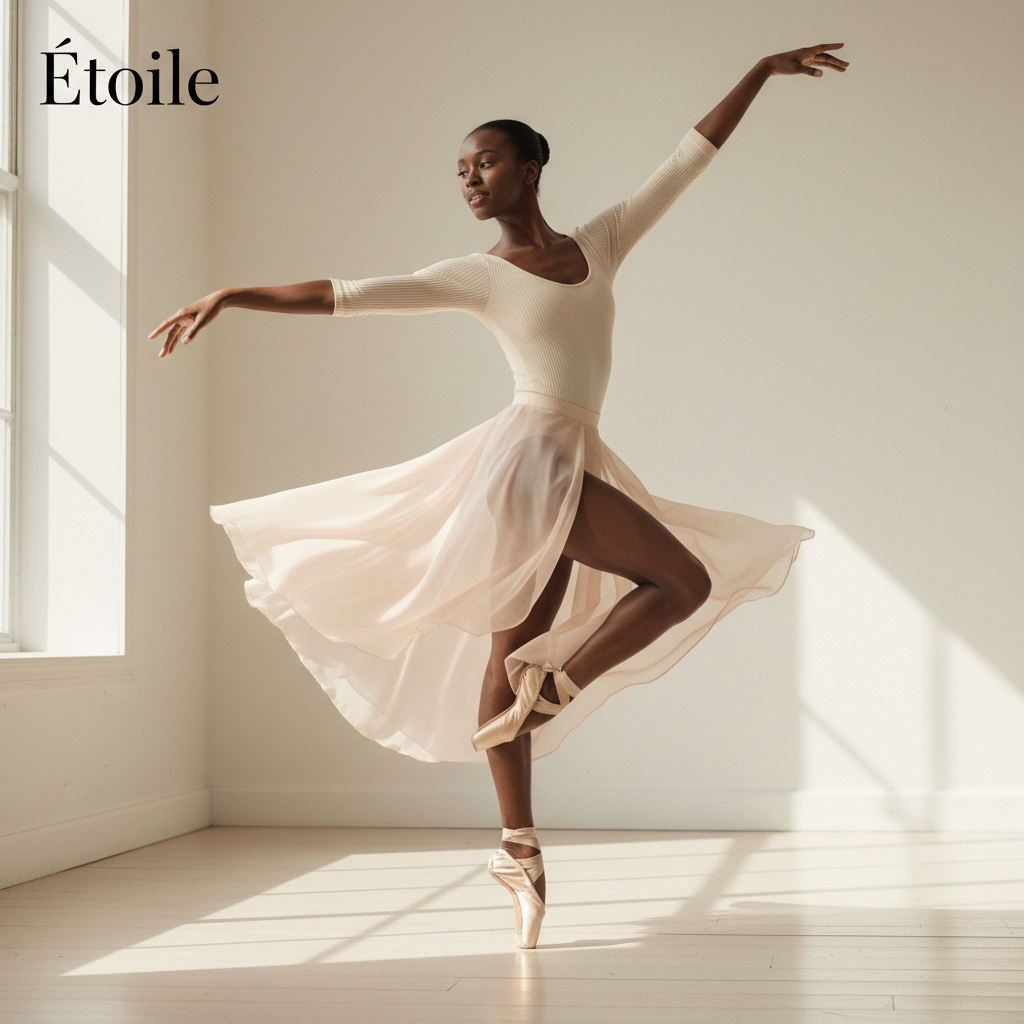
Watch a ballerina walk offstage and you'll notice something: she carries herself differently than everyone else.
It isn't affectation. It isn't arrogance. It's alignment.
Poise, in ballet, is not a performance trick. It is the visible result of a body organized from the ground up.
The Spine Is the Story
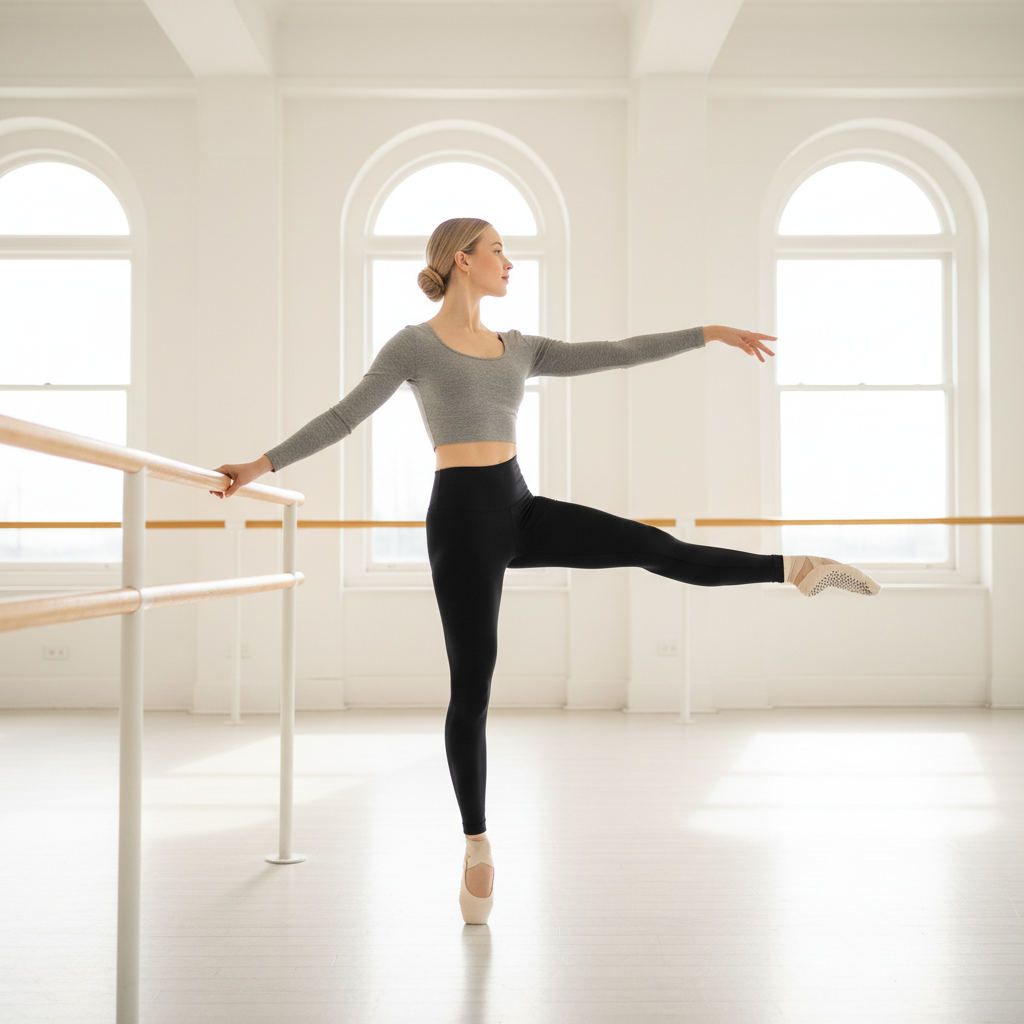
Ballerinas are taught to think of the spine as a continuous line - not rigid, but lengthened. The crown of the head reaches upward as if suspended by a thread. The tailbone reaches down. The result is space: room for the breath, room for movement, room for presence.
This is not "stand up straight." It is something more subtle: the sensation of being pulled in two directions at once, creating an elegant tension that holds the body without stiffness.
The Shoulders Settle
Under stress, shoulders creep toward the ears. Under fatigue, they round forward. Ballet training reverses both habits.
Dancers learn to let the shoulder blades rest wide and heavy on the back. The collarbones broaden. The chest opens not by forcing the shoulders back, but by allowing them to release down and away.
The effect is immediate: a torso that looks calm, capable, and unguarded.
The Core Is Quiet
Poise has nothing to do with clenching.
Ballerinas engage the deep stabilizers - the muscles that support the spine without visible effort. The abdomen remains soft enough to breathe. The back remains long enough to move. Nothing is held harder than necessary.
This is why a dancer can look completely at ease while doing something extraordinarily difficult. The work is happening where you cannot see it.
The Feet Know Where They Are
Balance begins at the ground. Ballet trains the foot to be sensitive, articulate, and strong. Weight is distributed evenly across the tripod of the foot: the ball beneath the big toe, the ball beneath the little toe, and the heel.
From that stable base, everything else organizes itself. The knees track properly. The hips stay level. The spine finds its natural curve.
Poise is not an upper-body phenomenon. It starts from the floor.
The Head Finds Its Place
When the head juts forward, the entire spine compensates. Ballet corrects this not by pulling the chin back, but by imagining the head floating upward from the crown.
The gaze is level. The neck is long. The jaw is soft.
The result is a carriage that reads as both alert and serene.
Why It Carries Offstage
Ballet training is repetitive by design. Dancers spend years practicing the same corrections until they become automatic. Eventually, alignment is no longer something a dancer thinks about. It is simply how the body lives.
That is why you can spot a dancer in everyday life. Not because she is performing. But because poise, once learned, is hard to forget.
The Real Lesson
You do not need ballet to find poise.
But ballet offers a useful map: lengthen before you straighten. Release before you pull. Stabilize before you move.
Poise is not about holding yourself perfectly. It is about organizing yourself efficiently.
And when the body is organized, presence follows on its own.
The Edit's Selection
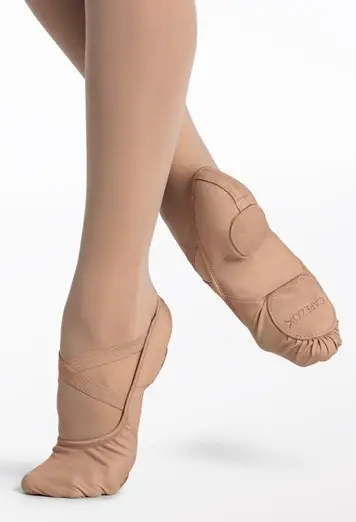
Capezio
Hanami Canvas Split-Sole
A perennial favourite among adult beginners and intermediate dancers for its lightness and beautiful arch profile.
- Lightweight
- Flattering line
- Breathable
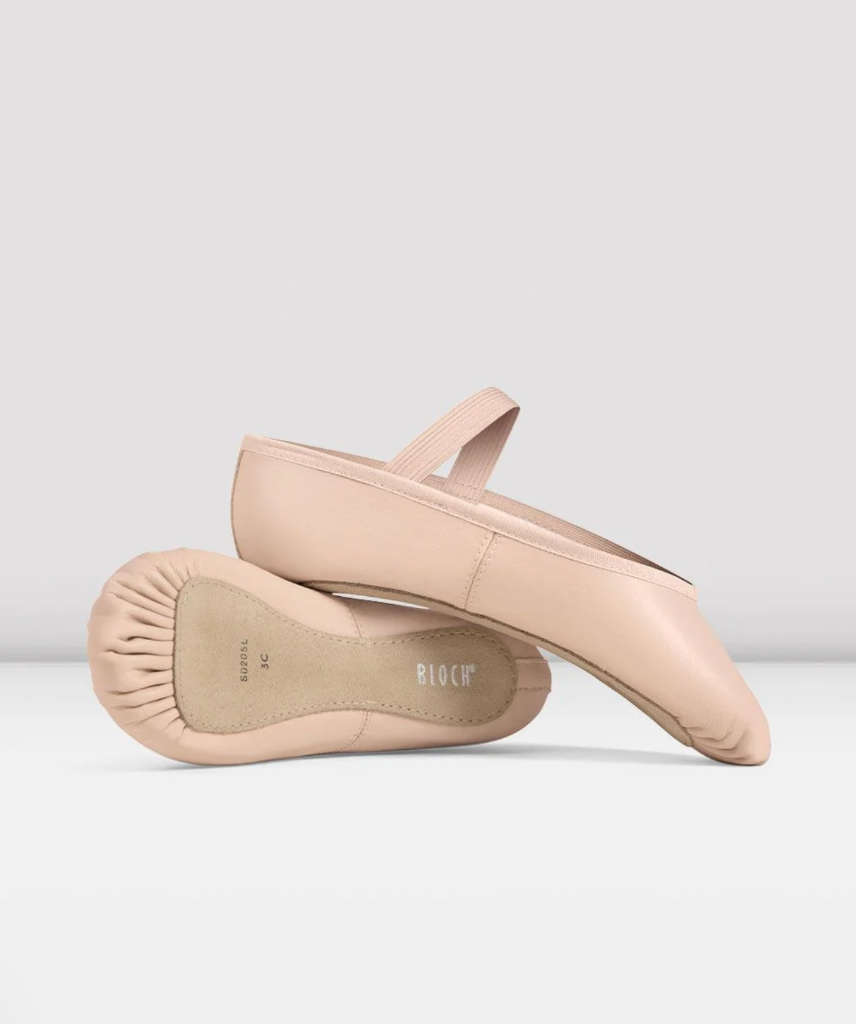
Bloch
Dansoft Full-Sole Ballet Slipper
The go-to recommendation for first-time ballet shoe buyers: forgiving, classic, and built to last a solid first year of classes.
- Supportive full sole
- Molds to the foot
- Classic leather
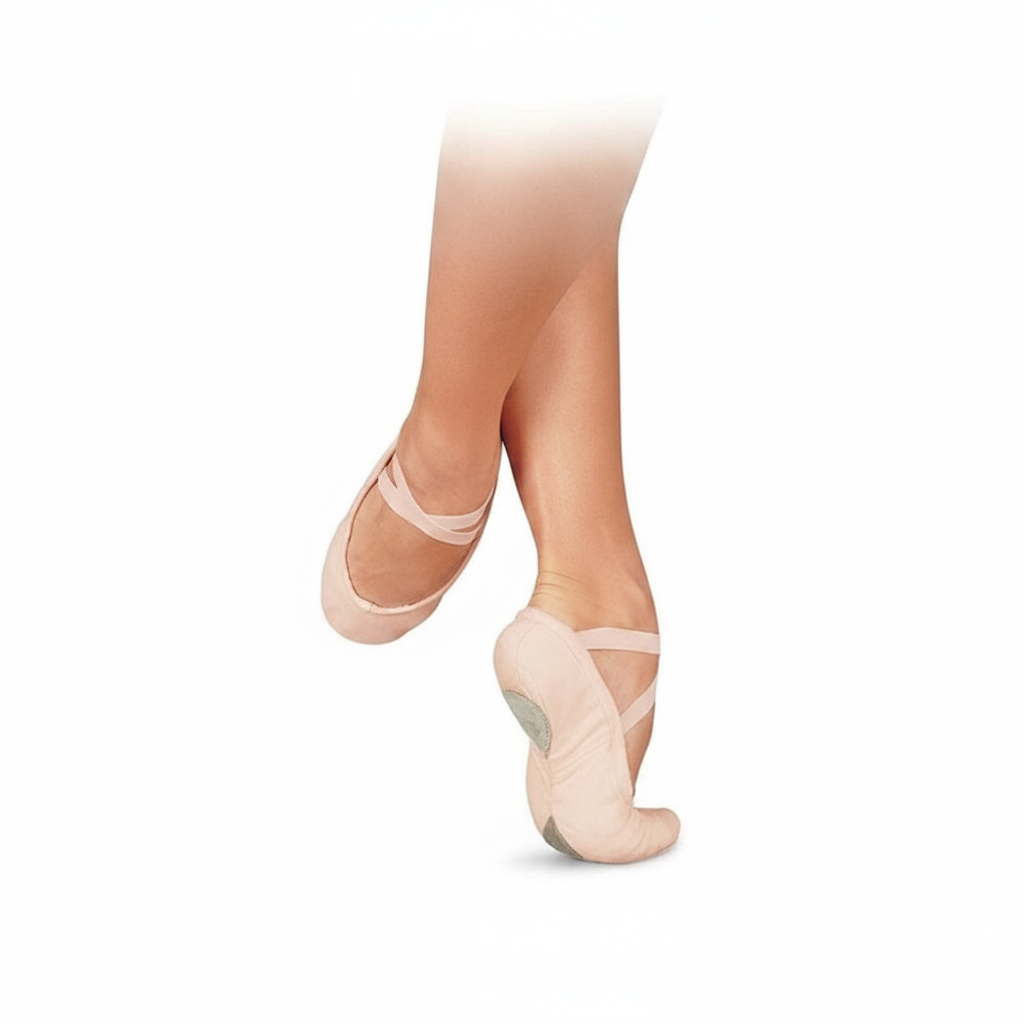
Sansha
Pro 1 Canvas Split-Sole
Quality at an honest price. Sansha's Pro 1 is a reliable first slipper that won't punish you for not yet knowing your preferences.
- Excellent value
- Durable
- Wide size range
Ad Space
About
The Ballet Edit
The Ballet Edit is a publication dedicated to ballet culture, adult beginner dance education, movement, alignment, and the enduring style of the ballet world.
Written and edited by practitioners with professional dance experience on stage, film, and television, The Ballet Edit exists to inform, inspire, and welcome adults into the art form at every stage of their journey.