If You Love Barre Class, Here's What Ballet Can Teach You
Barre class has introduced millions of people to the vocabulary of ballet: the plié, the relevé, the turned-out stance, the deliberate, controlled movement through space. If you're a regular at a barre studio, you've already absorbed more of ballet's foundation than you might realise.
But the two disciplines are not the same, and understanding where they overlap, and where they diverge, will make you better at both.
What Barre Class Borrows from Ballet
The fundamental logic of barre class is ballet logic. The workout is structured around a ballet class's opening sequence: standing at the barre, working through exercises that warm the legs and hips, develop balance, and build the small stabilising muscles that support upright posture and controlled movement.
The vocabulary is borrowed directly:
- Plié (to bend): the foundational squat of ballet, working the inner thighs, glutes, and the deep hip rotators.
- Relevé (to rise): lifting onto the balls of the feet, building calf strength and ankle stability.
- Tendu (stretched): extending the foot along the floor to a pointed position, training the intrinsic muscles of the foot.
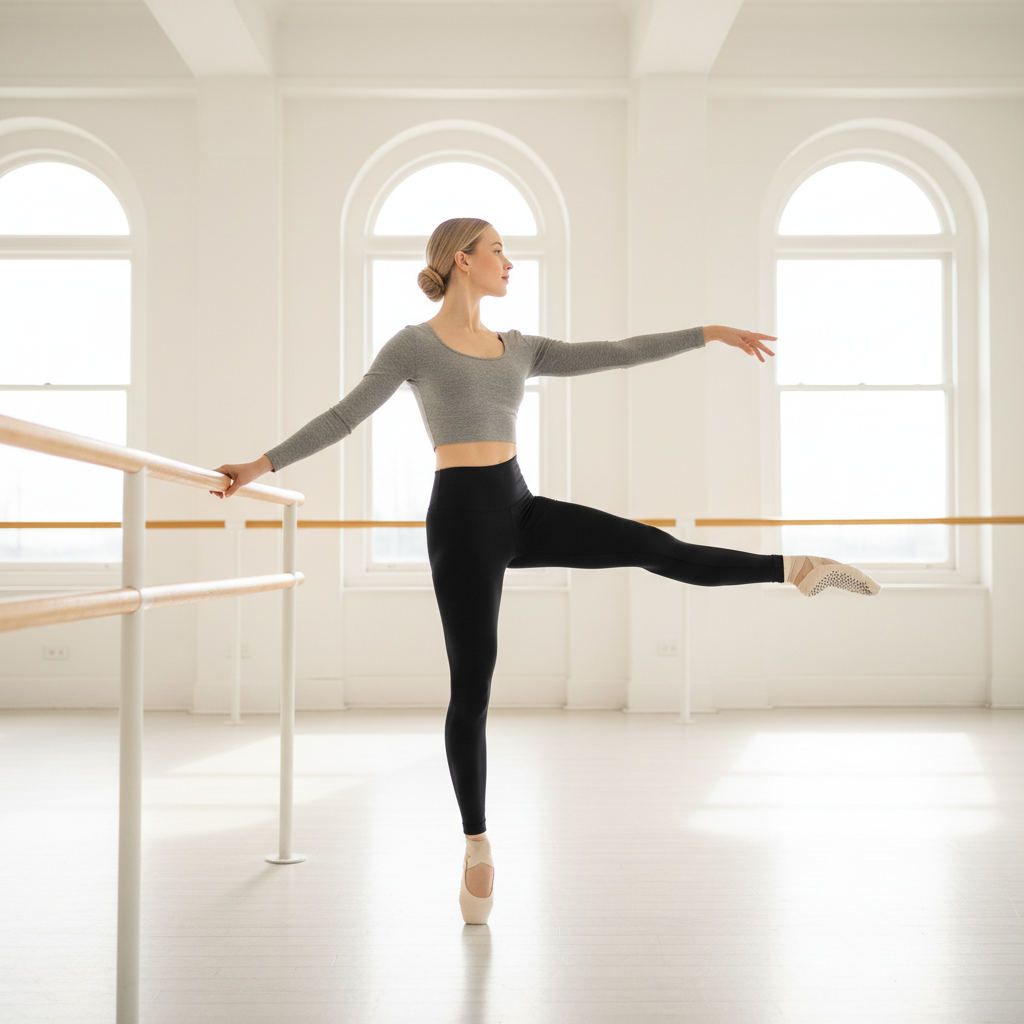
- Arabesque: a standing balance on one leg with the other extended behind.
In a ballet class, these same exercises begin every single barre sequence. If you attend a traditional ballet class after years of barre fitness, the structure will feel immediately familiar.
Where Things Diverge
Here is where it gets interesting, and where barre-class regulars sometimes find a ballet class surprising.
Turnout
In ballet, turnout is a rotation originating from the hip socket, not the feet. A trained dancer works within whatever natural rotation their hip anatomy allows, and that rotation is developed over years of patient conditioning.
In many barre fitness classes, feet are placed in a turned-out position regardless of whether the hips have the rotation to support it. This produces a visual approximation of ballet positioning, but the mechanics underneath are different, and for some people, a recipe for knee strain if the rotation is forced from the knees or ankles rather than the hips.
In a ballet class, a teacher will often ask you to reduce your turnout rather than push it.
The Barre Tuck
One of the most discussed differences: many barre fitness classes cue a posterior pelvic tilt, a tucking under of the tailbone, as the neutral working position. This is a deliberate technique choice in certain barre fitness methodologies, designed to target the glutes and lower abdominals.
In classical ballet, this position is actively avoided. Ballet alignment is built on a neutral or very slightly anteriorly tilted pelvis, with the spine long and the hip flexors free to extend the leg fully. A tucked pelvis in ballet shortens the arabesque and restricts movement through the hip joint.
Neither position is wrong. They are tools for different purposes. But if you move between disciplines, this is the adjustment your body will feel most acutely.
Range of Motion in the Leg
In ballet, extensions, the height of a développé or arabesque, are valued and trained over years. In barre fitness classes, leg lifts are present but are typically smaller in range and more repetitive, oriented toward muscular fatigue rather than mobility development.
What Ballet Can Add to Your Barre Practice
If barre class is part of your fitness routine, adding even occasional ballet classes brings specific benefits:
Musicality. Ballet classes are structured around live or carefully chosen music, and the relationship between movement and phrasing is part of the training. It changes how you inhabit a movement.
Épaulement. The carriage of the head, shoulders, and upper body. Ballet isolates and refines the upper body in ways that barre fitness classes rarely prioritise. The result is a visible elegance in posture and presentation.
Corrected alignment. A good ballet teacher will spot and address misalignments, particularly the hip, knee, and foot alignment that determines how safely you move through turned-out positions.
Artistry. Ballet is not just a workout. It is a form with an aesthetic, a history, and a practice of expression. Even at the beginner level, that dimension is present and worth encountering.
What to Wear
Barre fitness studios and ballet studios have overlapping but distinct dress cultures.
For Barre Class
Barre studios are generally relaxed on dress code, with an athleisure aesthetic dominant. Fitted leggings and a fitted top are standard. Loose clothing makes it harder for instructors to assess your alignment, and harder for you to see your own positioning in the mirror.
Grip socks are required at most barre studios and are worth investing in: they prevent slipping on studio floors and provide a small amount of feedback through the sole.
Colors and prints are entirely welcome. The barre studio aesthetic skews toward the polished end of athleisure.
For Ballet Class
Ballet class has more established conventions, though adult beginner classes are typically relaxed about enforcing them.
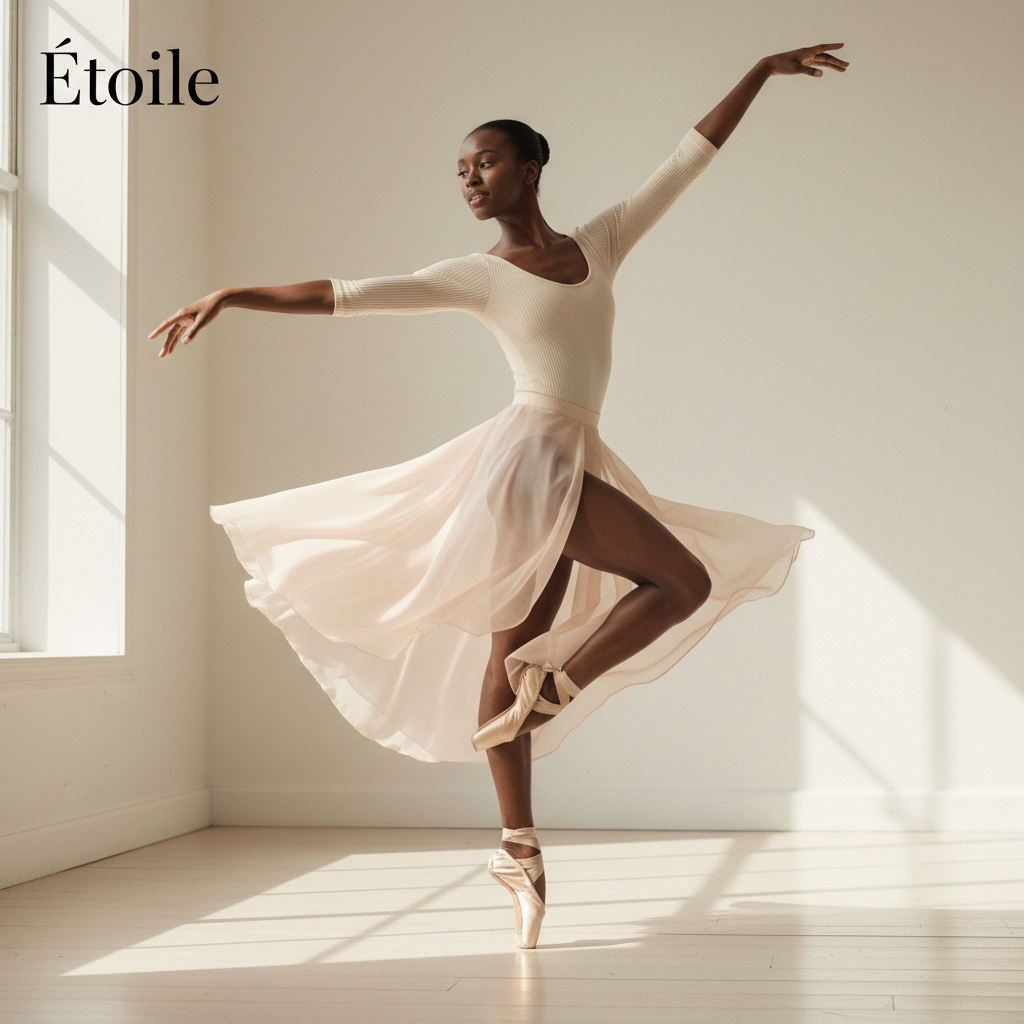
Leotard and tights remain the clearest signal that you understand the form. They also serve a functional purpose: a teacher can see your spine, your hip placement, and your shoulder alignment without distraction. A fitted top and leggings are an entirely acceptable alternative for adult classes.
Ballet slippers replace grip socks. A canvas or leather split-sole slipper is the standard recommendation for adult beginners. They allow the foot to flex and point fully, and communicate your foot articulation clearly to your teacher.
A chiffon wrap skirt is a classic addition for those who prefer a little more coverage, and it moves beautifully.
Leave the athleisure prints at home: ballet studio culture tends toward muted, classic tones. Blush, black, grey, navy.
The Bottom Line
Barre fitness class is a genuinely excellent workout, and it introduces the body to movement patterns that have real roots in ballet training. But it is not the same thing as ballet, and that is not a criticism. It is a distinction.
If your barre practice has made you curious about the real thing, that curiosity is worth acting on. The transition is more natural than you might think, and a ballet class will show you, in the most direct way possible, exactly what your body has already been quietly learning.
The Edit's Selection
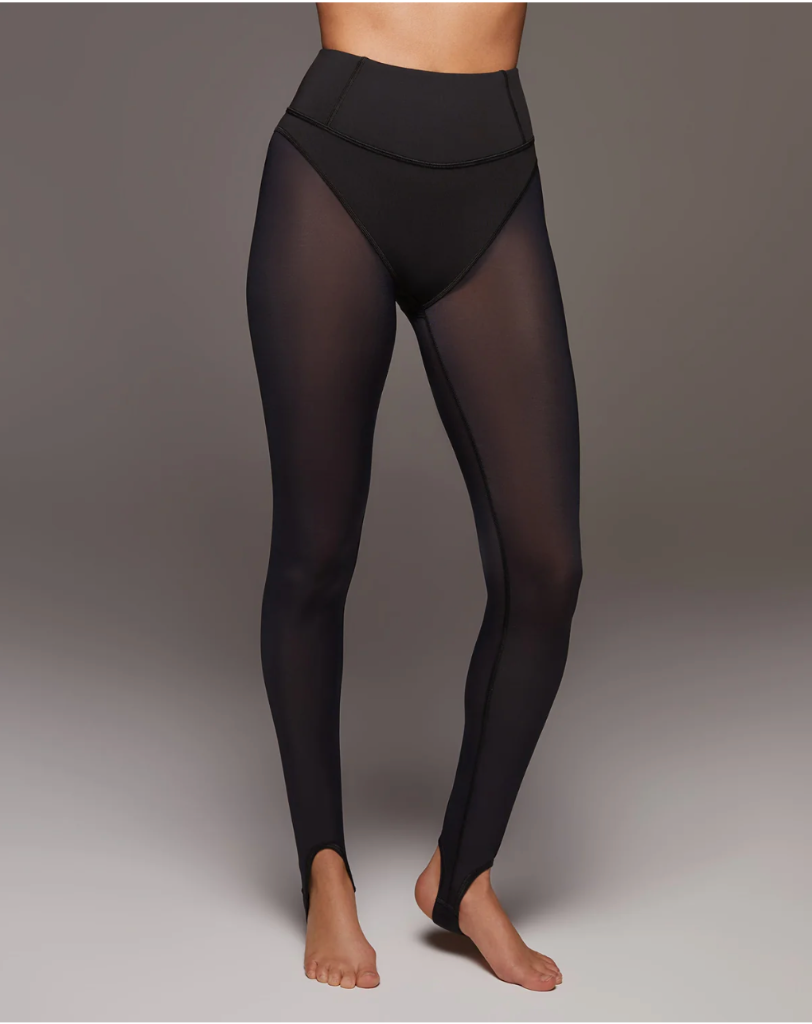
Michi
Ambient Stirrup Legging
A studio-to-street stirrup legging that bridges the aesthetic gap between ballet and barre. Sheer mesh panels give it the elongated line of a ballet tight while the high waistband delivers the compression barre class demands.
- Stirrup silhouette borrowed from ballet
- Sheer mesh panels for a dancer's line
- High-waist compression
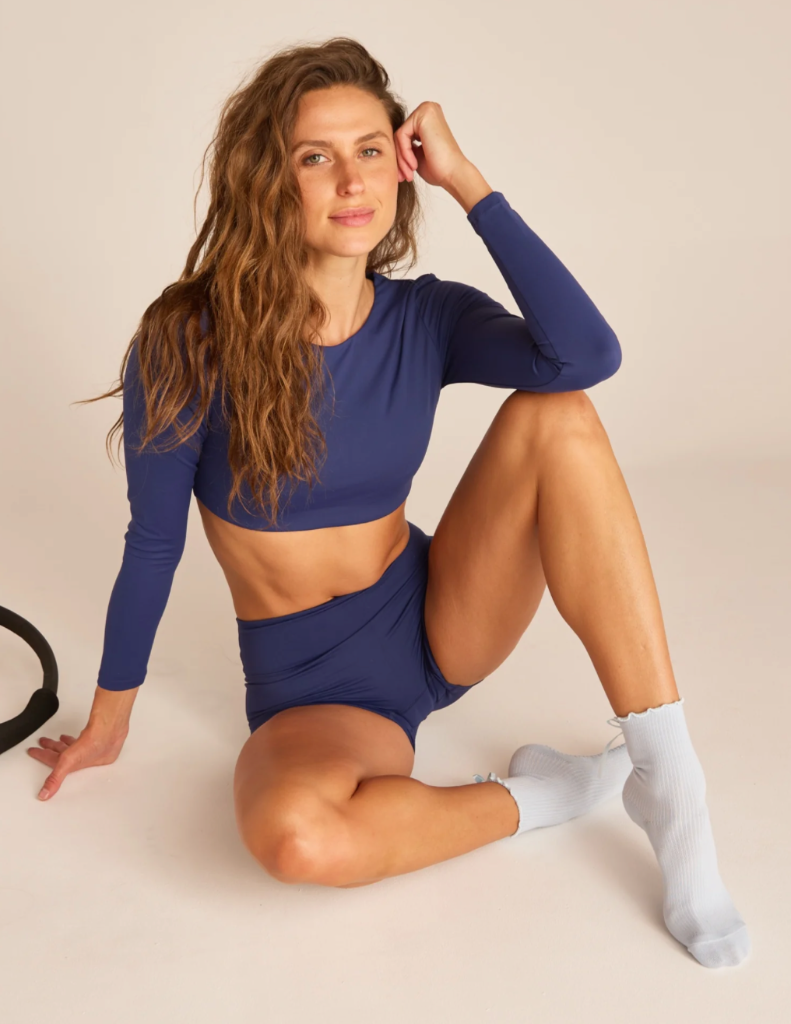
Lucky Honey
The Juliet Grip Sock
Named for the ballet, designed for the barre studio floor. Lucky Honey's Juliet is a grip sock that doesn't look like one — soft, fitted, and finished with a delicate frill. The grip sole keeps you anchored through every relevé pulse.
- Non-slip grip sole
- Delicate frill detail
- Ballet-inspired name and aesthetic
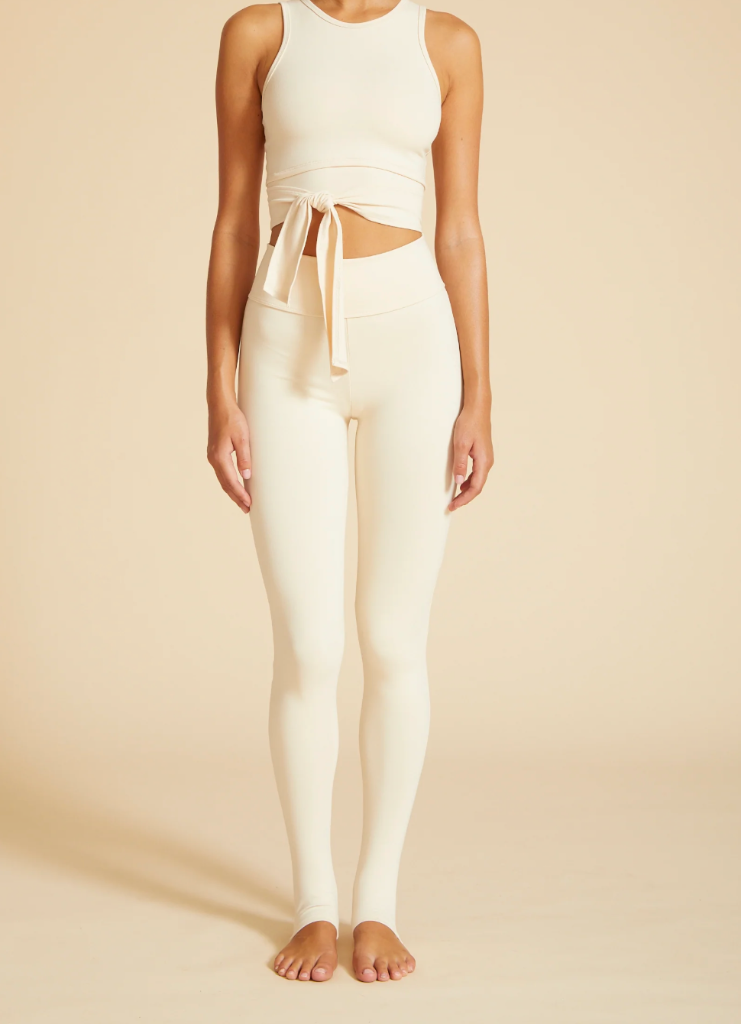
Live The Process
Ballet Legging
Live The Process makes activewear that belongs in a ballet studio as much as a barre class. The Ballet Legging is cut from raw cotton — not petroleum-based synthetic fabric — making it sustainable and genuinely better for your body. Clean, minimal silhouette with no logos, no panels, just a refined line from hip to ankle.
- Raw cotton, not petroleum-based
- Sustainable and better for your skin
- Clean, minimal silhouette
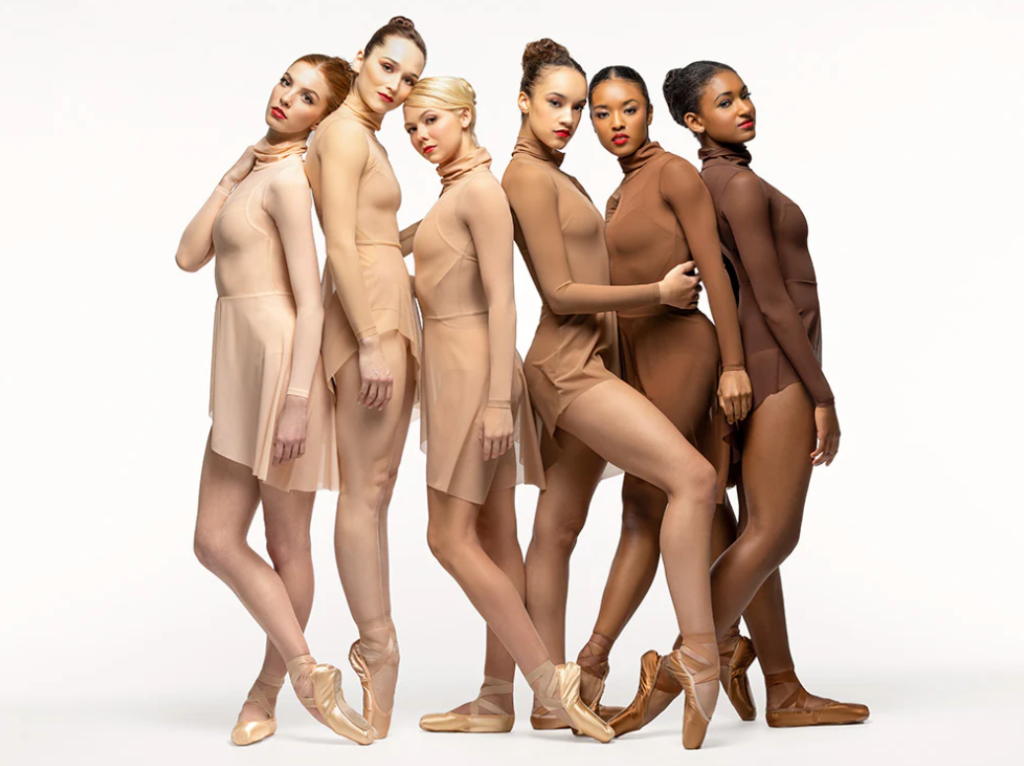
Elevé
Asymmetrical Dress Nudes Mesh
Elevé's Nudes Mesh collection is one of the most thoughtful things to happen to dancewear in years. The Asymmetrical Dress is cut in sheer mesh toned to match a range of skin tones, so the silhouette reads as pure line and movement. Equally at home in a ballet class or a barre studio.
- Shade-inclusive nude mesh tones
- Asymmetrical hem for visual interest
- Works across ballet and barre
Elevé
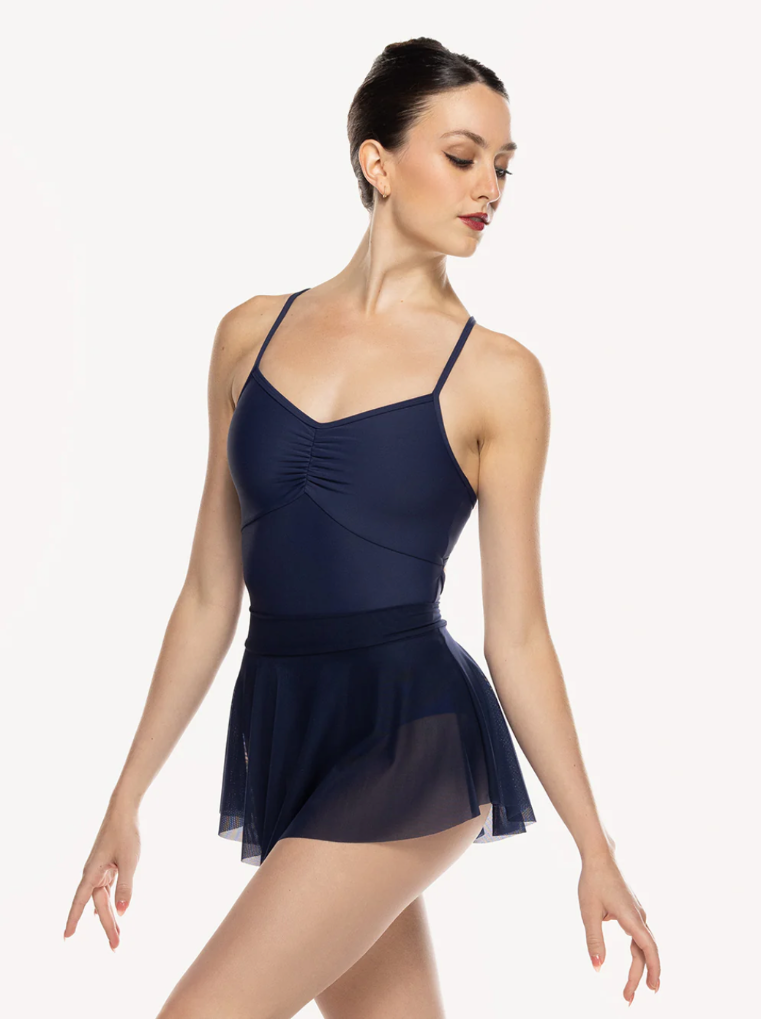
Hipster Skirt
A low-slung mesh skirt that sits at the hip rather than the waist, giving a long, uninterrupted line through the torso. The Elevé Hipster Skirt is the kind of piece that works over a leotard and tights in ballet class just as naturally as over leggings at the barre studio.
- Hip-sit silhouette elongates the torso
- Soft mesh construction
- Versatile across both disciplines
Ad Space
About
The Ballet Edit
The Ballet Edit is a publication dedicated to ballet culture, adult beginner dance education, movement, alignment, and the enduring style of the ballet world.
Written and edited by practitioners with professional dance experience on stage, film, and television, The Ballet Edit exists to inform, inspire, and welcome adults into the art form at every stage of their journey.