There Is No Single Right Answer
The first thing to know: there is no uniform requirement for most adult beginner classes. You will not be turned away for wearing the wrong thing. But dressing thoughtfully does matter - for your comfort, your movement, and your own confidence in the studio.
The goal of what you wear to class is simple: your teacher needs to see your body. Not to judge it - to correct it. Ballet technique is about alignment, and alignment cannot be taught through layers of loose fabric. A good teacher watching you at the barre needs to see your hips, your spine, your knees, and your feet. Everything you wear should allow that.
The Classic: Leotard and Tights
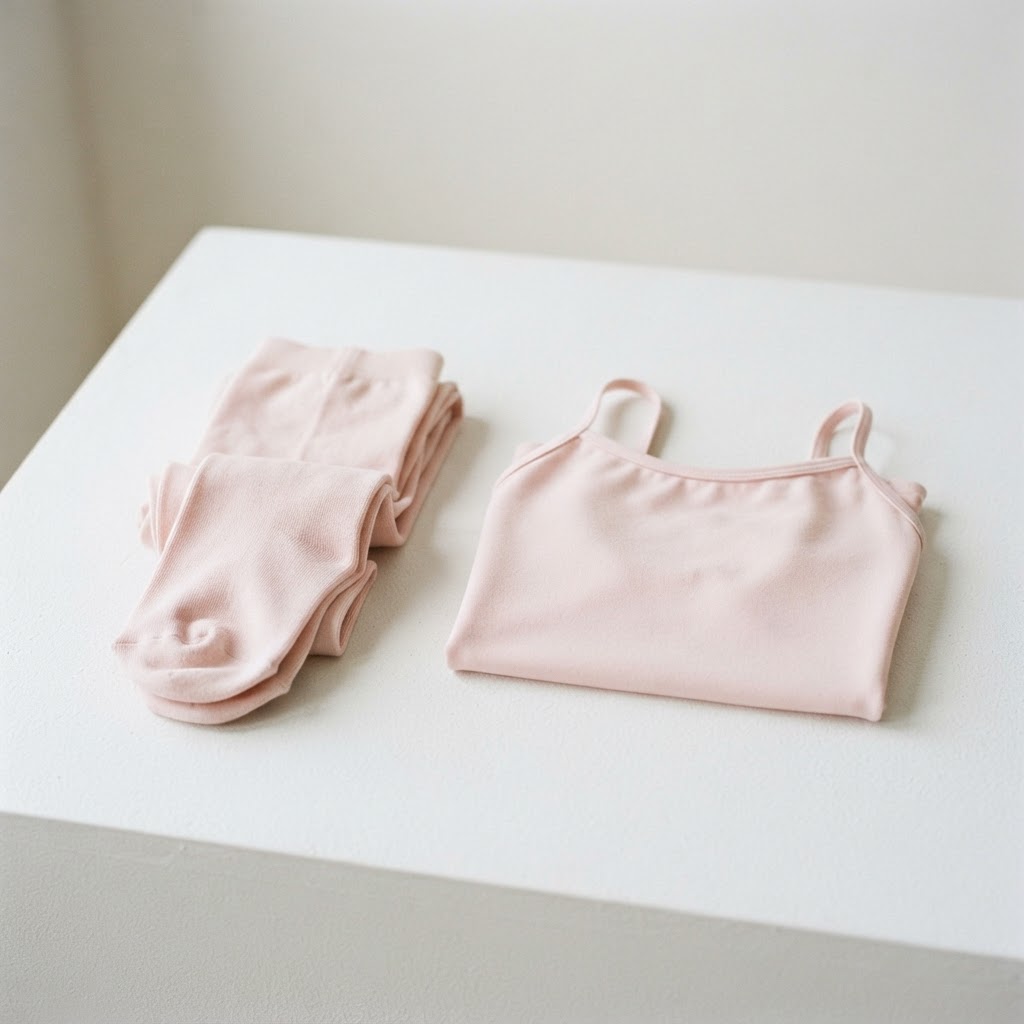
The leotard and tights combination has persisted for over a century because it works. It moves with the body, never bunches, never restricts, and gives the teacher a clean view of the dancer's line from head to toe.
Leotard necklines vary considerably, and the choice is partly personal, partly practical:
- High-neck and scoop-neck leotards are the most commonly worn in class. They stay in place through all movements and require no adjustment.
- Low-cut or sweetheart necklines are elegant and widely worn, but require a well-fitted bra or built-in shelf bra for comfort during jumps and floor work.
- Spaghetti-strap styles are popular but can slip during centre work - fine for barre-focused classes, worth considering carefully for more dynamic sessions.
Neckline trends change with the seasons much like any other fashion - what reads as classic and what reads as current shifts from year to year. Follow what the professional dancers and the leading dancewear brands are showing, and you'll rarely go wrong.
Tights come in two main varieties: footed (covering the whole foot) and footless or stirrup. For class, footed tights are the traditional choice - they keep the foot warm and create a clean, unbroken line in the shoe. Convertible tights (which can be worn either way) are a practical compromise.
Colour in adult beginner classes is almost entirely open. Pink tights with a black leotard is the most timeless studio combination, but muted tones - slate, navy, deep burgundy, warm caramel - all work beautifully and have a quiet elegance that feels right in the ballet studio. Avoid anything too bright or heavily patterned for your first class; you'll feel more comfortable, and more able to observe the room, in something understated.
The Unitard
The unitard - a single piece covering both the torso and the legs - has become increasingly popular in adult ballet, particularly in cooler months. It offers the same clean line as the leotard-and-tights combination without the need to coordinate separates, and many dancers find them more comfortable around the waist and hip. Velvet unitards in particular have become a quiet studio staple.
Alternatives to the Traditional Look
If the leotard-and-tights combination doesn't feel right for you yet - whether for practical reasons, comfort, or simply because you're not ready for it - there are good alternatives:
- Form-fitting activewear: fitted leggings (not loose joggers) and a snug tank or crop top work well in most adult beginner classes. The key word is fitted - loose activewear obscures your lines and makes it harder for your teacher to help you.
- Dance shorts over tights: a popular option that provides coverage while maintaining the clean line of the leg.
- Sports bra and high-waisted leggings: a modern, practical option that has become entirely accepted in adult classes.
Whatever you wear, avoid anything with a drawstring waist, belt, or hardware. These catch, pull, and distract.
Skirts: When and What
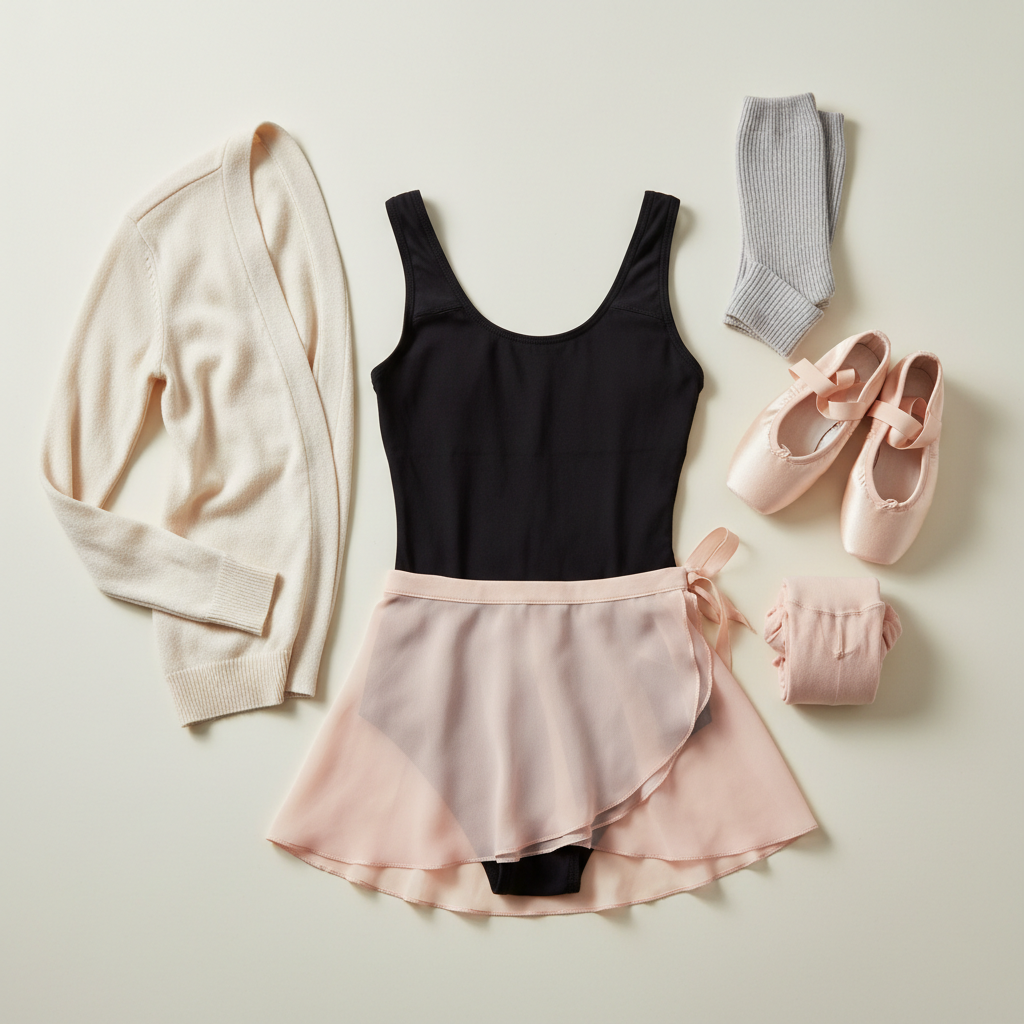
A wrap skirt - typically in chiffon or georgette - is worn in the studio as a complement to the leotard, not a replacement for it. It adds a sense of softness and femininity to class, and many adult dancers wear them routinely once they're past the very first weeks.
Skirts are most appropriate once you have a basic feel for barre work. In your first class or two, skip the skirt - your teacher will find it easier to correct your port de bras and hip placement without extra fabric in the way.
For class, keep the skirt short to mid-thigh. Long, floor-length skirts are for rehearsal and performance. In terms of style, a simple wrap in a muted tone - or classic black - is always appropriate. Avoid anything stiff or structured; the skirt should float with the movement, not constrain it.
Getting There: What to Wear on the Way
The journey to and from the studio is its own consideration, particularly in cold weather.
Ballet bodies need to arrive warm. Muscles that have stiffened in a cold car or a draughty bus take longer to warm up in class and are more vulnerable to strain. Most dancers layer up significantly on the way to class, then strip back to their dancewear for barre.
The standard travelling layer includes:
- A loose knit or fleece layer over the leotard
- Warm-up pants or tracksuit bottoms over the tights - or worn instead of tights for the journey, changed at the studio
- Leg warmers, worn over the tights and pulled down or removed once the muscles are warm
- A jacket or coat that's easy to remove quickly
Arrive a few minutes early to change, layer down, and do a few quiet stretches before barre begins. Coming to class cold and changing in a hurry rarely produces your best work.
Warm-Up Layers in the Studio
Warm-up wear has its own aesthetic in the ballet studio - and it's one worth paying attention to.
Leg warmers are the most iconic studio warm-up piece. Worn bunched at the ankle or pulled up over the knee, they keep the calves and Achilles warm through the early barre. They're removed as the body heats up, usually by mid-barre.
Warm-up shorts - sometimes called puff shorts or bloomer shorts - are worn over the leotard and tights to keep the hips and lower back warm. They look unusual outside the studio but are entirely standard within it.
Trash bag pants (see our guide) and ripstop shorts are the more functional, less elegant end of the warm-up spectrum - worn for their heat-trapping properties rather than their aesthetic.
Knit warm-up cardigans and crossover tops are the most visually refined option - the kind of thing you see professional dancers wearing over their rehearsal wear between runs. A simple, draped knit crossover in black or grey reads as both practical and thoroughly studio-appropriate.
A Simple Starting Point
If you're standing in front of your wardrobe before your very first class and feeling overwhelmed: black fitted leggings, a snug tank top, and ballet slippers will serve you perfectly well. You can build a proper studio wardrobe from there, class by class, as you develop your own sense of what feels right.
For help choosing your first pair, see our guide to the best ballet shoes for adult beginners.
The studio will do the rest.
The Edit's Selection
Capezio
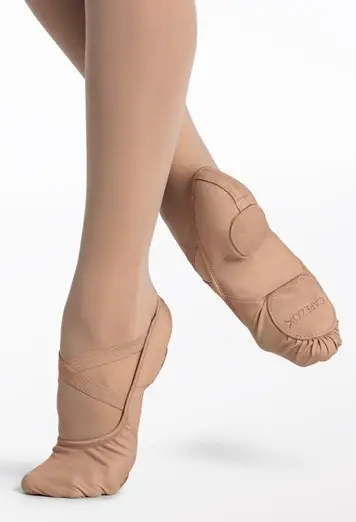
Hanami Canvas Split-Sole
A perennial favourite among adult beginners and intermediate dancers for its lightness and beautiful arch profile.
- Lightweight
- Flattering line
- Breathable
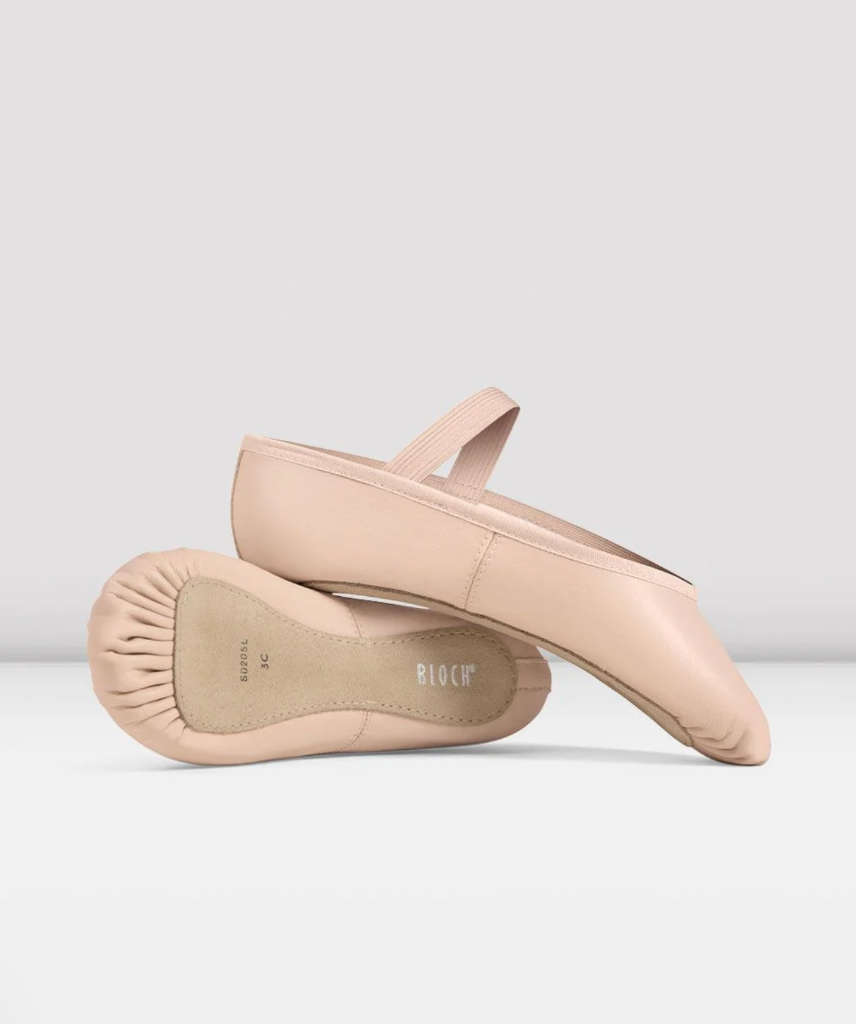
Bloch
Dansoft Full-Sole Ballet Slipper
The go-to recommendation for first-time ballet shoe buyers: forgiving, classic, and built to last a solid first year of classes.
- Supportive full sole
- Molds to the foot
- Classic leather
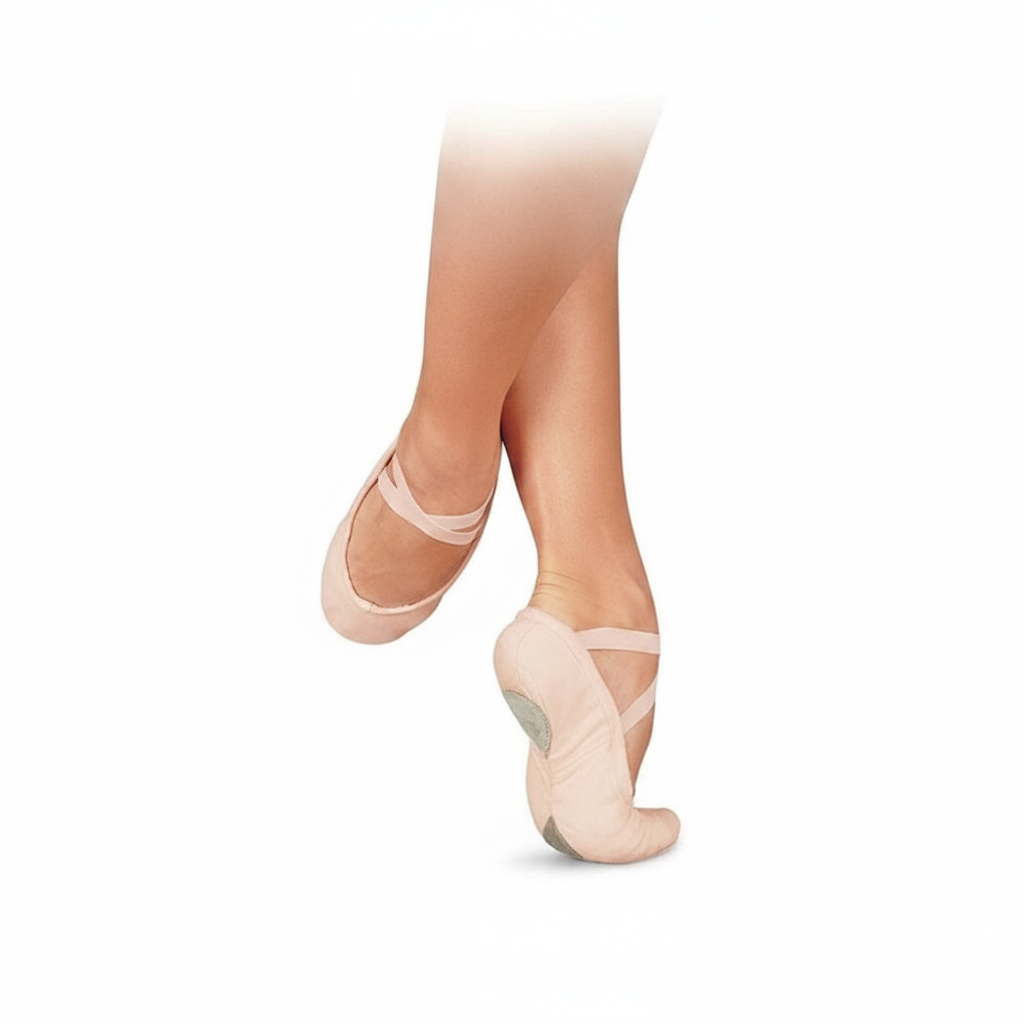
Sansha
Pro 1 Canvas Split-Sole
Quality at an honest price. Sansha's Pro 1 is a reliable first slipper that won't punish you for not yet knowing your preferences.
- Excellent value
- Durable
- Wide size range
Ad Space
About
The Ballet Edit
The Ballet Edit is a publication dedicated to ballet culture, adult beginner dance education, movement, alignment, and the enduring style of the ballet world.
Written and edited by practitioners with professional dance experience on stage, film, and television, The Ballet Edit exists to inform, inspire, and welcome adults into the art form at every stage of their journey.