If you have spent any time in a dance studio lately, or on the corner of the internet where dancers film themselves, you have seen one. A small flat board, a raised disc in the centre, a dancer spinning on top of it with what appears to be supernatural ease. The turning board. Should you get one?
The honest answer, as with most things in ballet, is: it depends.
What a Turning Board Actually Does
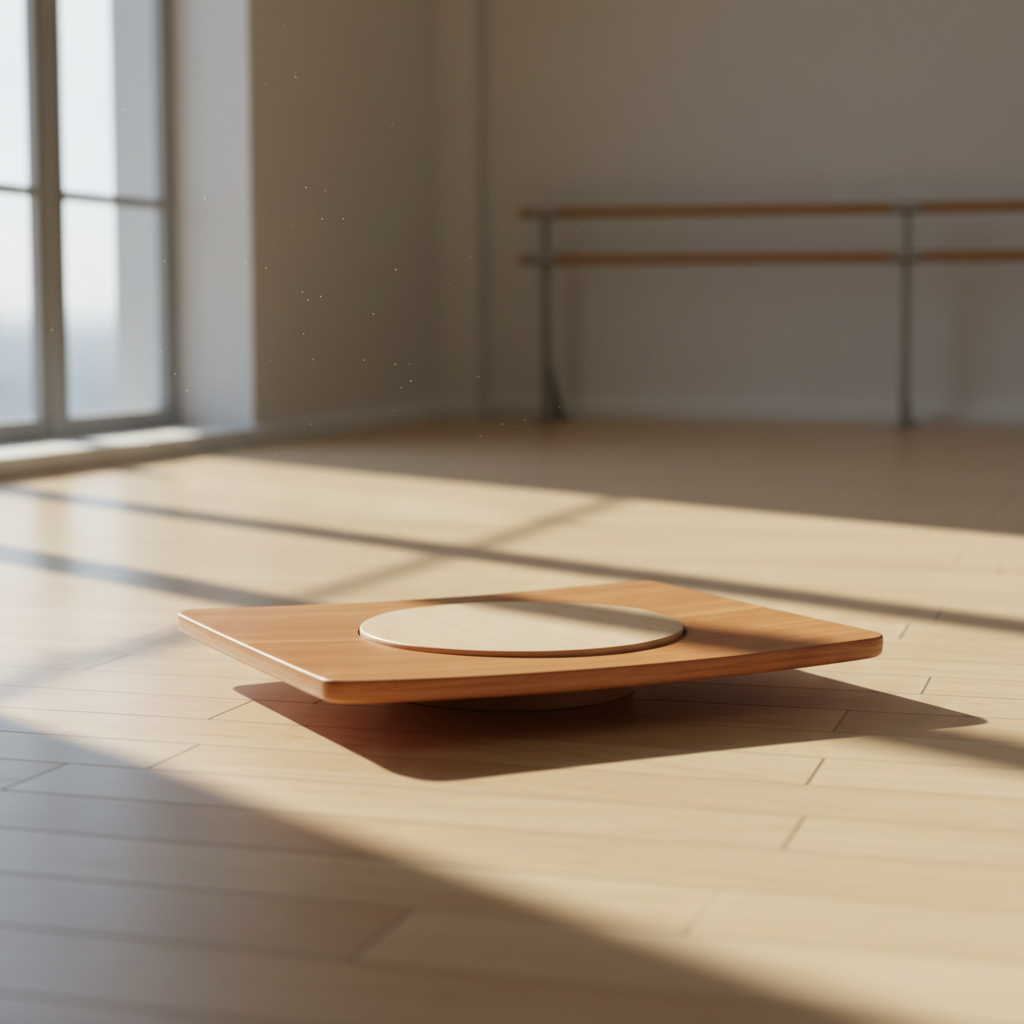
A turning board is a flat wooden or acrylic platform with a smooth, low-friction disc at its centre. When you place the ball of your foot on the disc and attempt a pirouette, the board removes most of the friction that would normally slow your rotation. The result is that turns which would stop after one or two rotations on a normal floor can spin out to four, five, or more.
This sounds like cheating, and in a sense it is, but that is not necessarily a problem. The board isolates the mechanics of turning by removing one variable (floor friction) and making every other variable more visible. If your alignment is off, the board will make that very clear, very quickly. If your core is not supporting your turn, you will know immediately. If your spot is not working, you will drift.
If you are still building the foundational alignment and core strength that a stable turn depends on, it is worth reading our piece on why ballerinas are poised first. The board reveals those fundamentals, it does not build them.
Used correctly, a turning board is a diagnostic tool as much as a training tool.
The Case For
It reveals alignment problems you didn't know you had. On a normal floor, a certain amount of physical compensation can hide alignment issues, and you can muscle through a single pirouette without perfect form. On the board, those compensations stop working. The feedback is immediate and clear.
It builds confidence in the sensation of rotation. Many dancers, particularly adult beginners, have a psychological resistance to turns, a fear of the commitment required to really go for a pirouette. The board can help here. When you feel what multiple rotations actually feel like in your body, it recalibrates your sense of what is possible and makes the mental block easier to address.
It lets you practice spotting in isolation. Because the mechanics of the turn are simplified, you can focus purely on the spot; the head action that controls dizziness and keeps the turn on its axis. Repetition on the board can groove good spotting habits that transfer to the floor.
It is genuinely fun. This matters more than it sounds. Anything that makes you want to practice turns more is a legitimate training asset.
The Case Against
It can reinforce bad habits if used without supervision. The most common mistake is using the board to spin without understanding why the turns are working. More rotations does not mean better technique, it means less friction. If you are compensating with your arms or relying on momentum rather than true vertical alignment, the board will let you get away with it in ways that the floor will not.
It is not a substitute for floor work. Turns on a board and turns on a Marley floor are different experiences. The transition back to the floor after extended board practice can actually feel disorienting for some dancers, because the proprioceptive feedback is so different. Board work needs to be paired with regular floor practice, not replace it.
Adult beginners may not yet have the foundation to use it productively. If you are still developing basic body alignment, working on your relevé strength, or building the core stability that supports a turn, the board may be too much information too soon. The most useful time to introduce it is when you already understand the mechanics of a pirouette and want to refine them, not when you are still learning what a pirouette is.
Who Should Use One
Yes, try it if:
- You can reliably execute a single pirouette with reasonable technique
- You want to understand why your doubles are inconsistent
- You have access to a teacher who can observe you on the board and give feedback
- You are the kind of learner who responds well to immediate physical feedback
Wait, if:
- You are a true beginner still learning the basic mechanics of a pirouette
- You tend to fixate on the result (rotations) rather than the process (alignment and control)
- You do not have a teacher to check that what you are feeling on the board is actually correct
If you are a true beginner, consider starting with a pair of Turn Out Boards by American Dance Supply instead. It helps you build the turnout and stability you need before you take on the pirouette.
Before adding any turning tool to your practice, it helps to have a solid base of strength and balance to draw from. A home barre routine is one of the most effective ways to build that foundation.
What to Look For
Not all turning boards are equal. The key variables are the size of the disc, the material of the surface, and the quality of the bearing underneath.
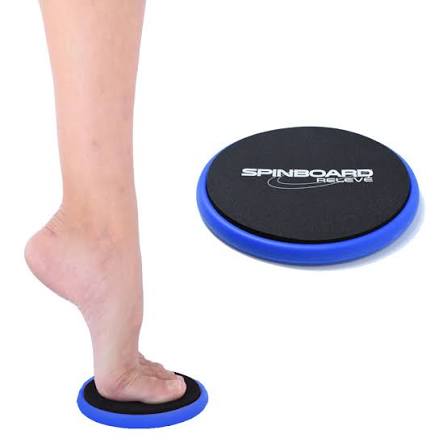
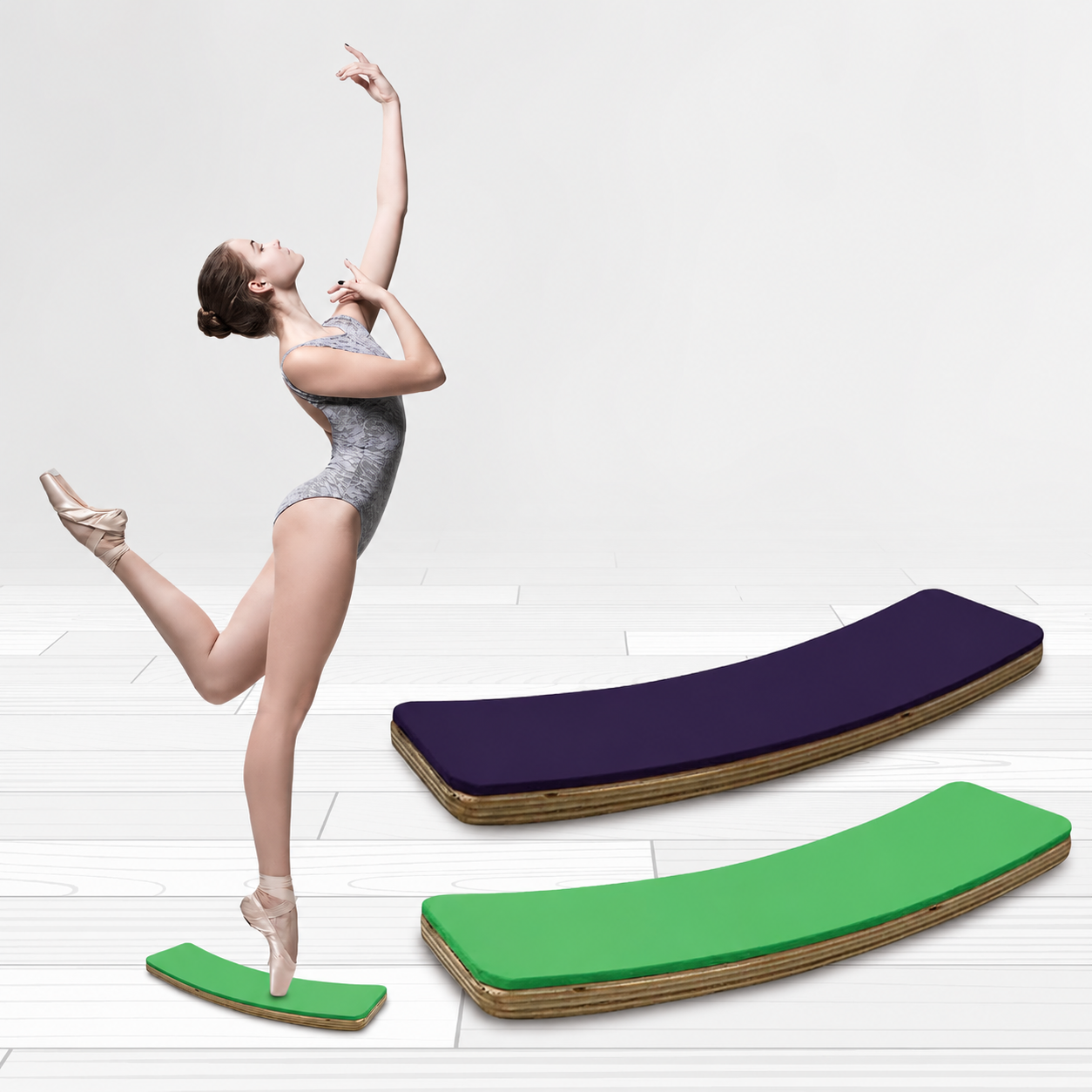
Some products are rotating discs that isolate the supporting foot, while others are curved rocker-style boards designed to challenge balance.
Disc size: A smaller disc requires more precise placement of the supporting foot. Most boards sit the ball of the foot on the disc; some are designed for the heel. Beginners typically find a slightly larger disc, or elongated rectangular board, where the foot stays flat, more forgiving.
Surface material: Wood and acrylic both work well. Avoid boards where the disc surface is rough or inconsistent. Uneven friction will throw off your turn before it starts.
Bearing quality: The disc spins on a bearing, and the quality of that bearing matters. A cheap board will have inconsistent spin - sometimes fast, sometimes sticky - which makes the feedback it provides unreliable. Pay a little more for a board with a smooth, consistent rotation.
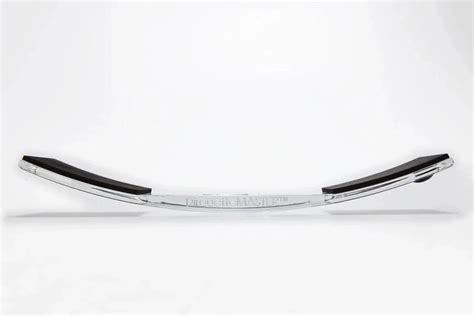
Well-regarded options include boards by Ballet Is Fun, ZenCore, the Pirouette Master by VITA Barre (shown above), and the Artan by Artan Balance. Prices range from around $20 to $60. There is no need to spend more than that.
Are Turning Boards Safe?
Yes, provided they're used correctly. Turning boards should always be used on a flat, non-slip surface with adequate space around you. Beginners should avoid trying to achieve as many rotations as possible and instead focus on posture, alignment, and controlled exits. If you have ankle, knee, or balance issues, check with your teacher or healthcare professional before using one.
Where to Buy
Turning boards are easy to find online. Amazon carries most of the major brands, usually with the widest selection of sizes and colors, and the convenience of fast shipping if you have Prime.
If you prefer to shop from a dedicated dancewear retailer, Discount Dance Supply and Dancewear Corner both stock the Ballet Is Fun and ZenCore boards, and their staff can answer fit questions before you order.
For the Pirouette Master by VITA Barre, the brand's own website is often the most reliable source, and occasionally runs bundles that include a carrying sleeve.
Whichever you choose, check the return policy before you buy. A board that arrives with a sticky or inconsistent bearing is not worth keeping, and a reputable retailer will exchange it without fuss.
The Bottom Line
A turning board is a useful training tool, not a magic fix, not a gimmick. Used with awareness and ideally under the eye of a good teacher, it can give you information about your pirouettes that floor practice alone does not provide. Used in isolation, without that awareness, it can give you the illusion of progress while the actual technique stays stuck.
If you are at the stage where your turns are technically present but inconsistent, and you are curious about what the board reveals, try one. Keep your expectations honest. The board does not make you a better turner. It shows you what needs to change so that you can make yourself one.
The Edit's Picks
We've selected turning boards that offer smooth, consistent rotation, durable construction, and good value. While no turning board replaces quality ballet training, these are the models we'd confidently recommend for dancers looking to supplement their practice.
The Edit's Selection
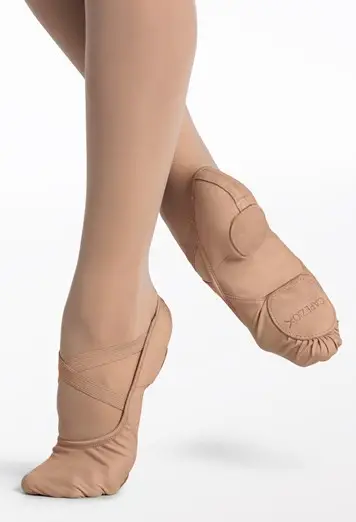
Capezio
Hanami Canvas Split-Sole
A perennial favourite among adult beginners and intermediate dancers for its lightness and beautiful arch profile.
- Lightweight
- Flattering line
- Breathable
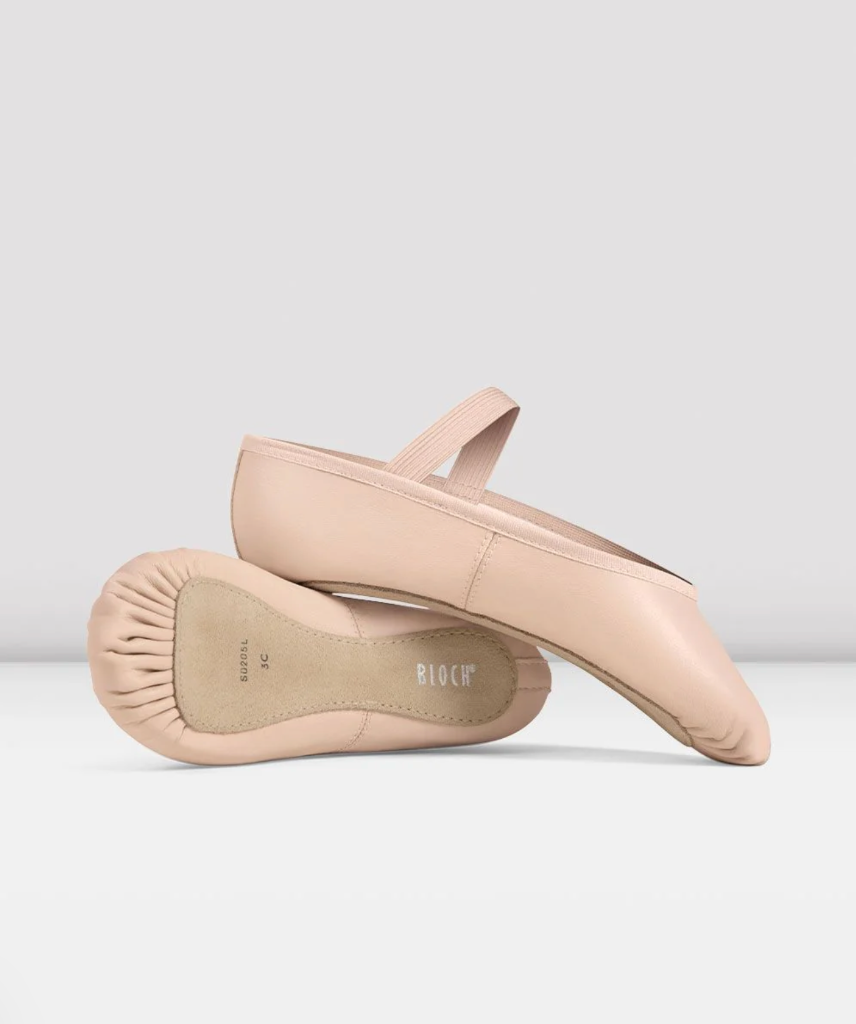
Bloch
Dansoft Full-Sole Ballet Slipper
The go-to recommendation for first-time ballet shoe buyers: forgiving, classic, and built to last a solid first year of classes.
- Supportive full sole
- Molds to the foot
- Classic leather
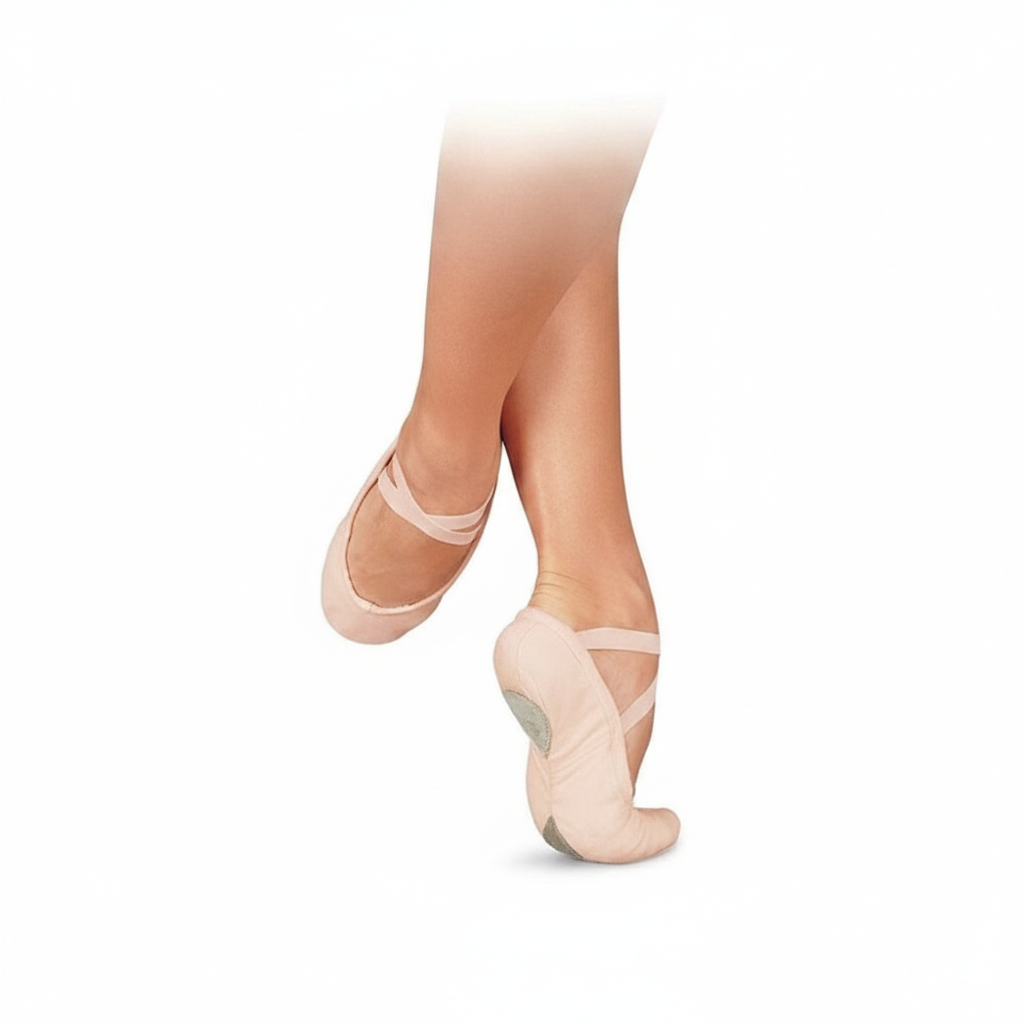
Sansha
Pro 1 Canvas Split-Sole
Quality at an honest price. Sansha's Pro 1 is a reliable first slipper that won't punish you for not yet knowing your preferences.
- Excellent value
- Durable
- Wide size range
Frequently Asked Questions
Can a turning board improve pirouettes?
Yes, but only if you're already working on correct technique. A turning board doesn't create better turns by itself; it highlights alignment and balance issues that can then be corrected.
Can beginners use a turning board?
Some can, but most teachers recommend waiting until you have a reliable single pirouette before using one regularly.
How much does a turning board cost?
Most quality turning boards cost between $20 and $60.
Do professionals use turning boards?
Many teachers and professional dancers use them as an occasional training aid, especially for spotting and alignment drills, but they still spend the majority of their turning practice on the floor.
Ad Space
About
The Ballet Edit
The Ballet Edit is a publication dedicated to ballet culture, adult beginner dance education, movement, alignment, and the enduring style of the ballet world.
Written and edited by practitioners with professional dance experience on stage, film, and television, The Ballet Edit exists to inform, inspire, and welcome adults into the art form at every stage of their journey.