The Color That Defined a Century
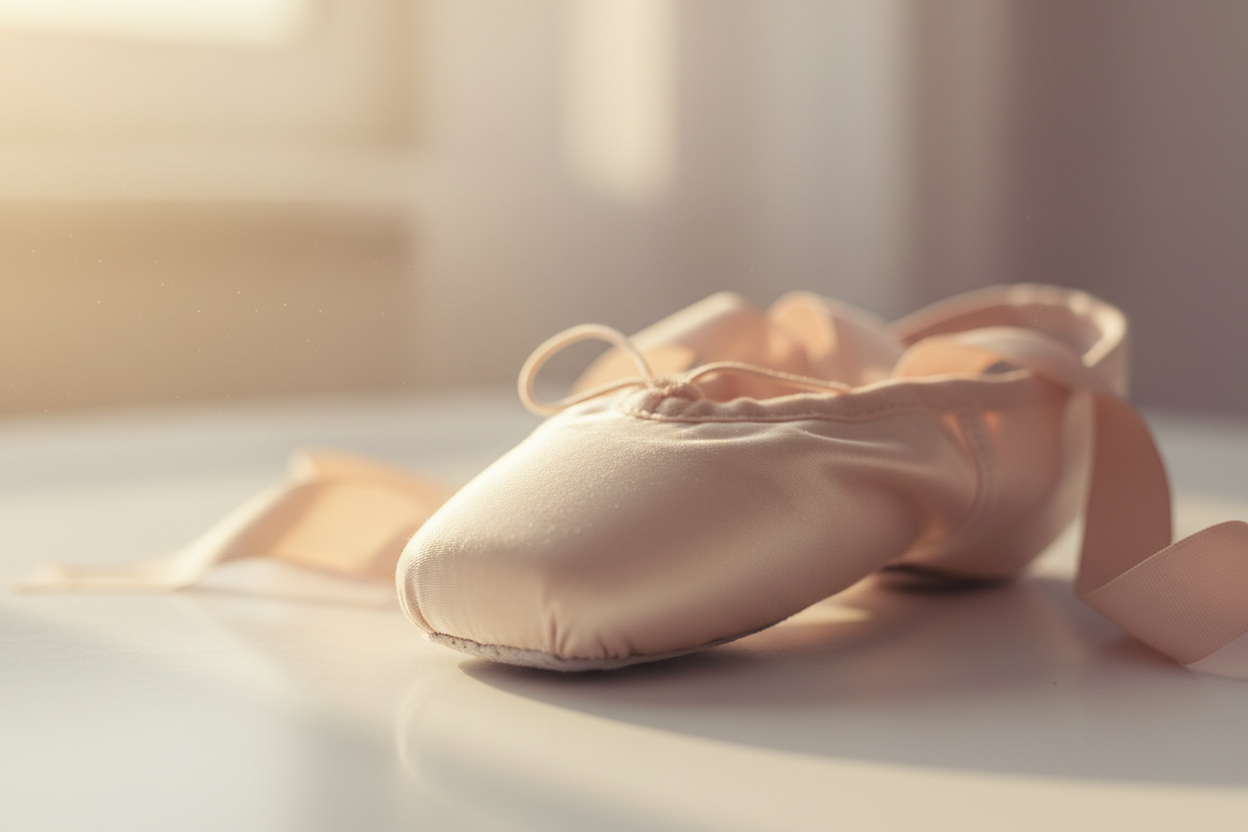
Pink ballet shoes are so ubiquitous that most people never question them. But the choice of pink, specifically that soft, salmon-blush shade, was never arbitrary. It was designed to create an illusion.
The Illusion of Extension
The original purpose of the pink ballet shoe was to match the dancer's tights, which matched the dancer's skin. Or rather, the skin of the predominantly white European dancers who codified classical ballet technique in the 18th and 19th centuries.
The goal was to create an unbroken line from hip to toe, making the leg appear longer and the foot appear to be an extension of the leg itself. When shoe, tight, and skin all blend together, the effect is one of impossible elegance. The dancer seems to float, to have legs that never end.
The Problem With "Universal" Pink
For decades, "ballet pink" was treated as a universal nude. It was not. For dancers of color, pink shoes and tights created a visual interruption rather than an extension, the exact opposite of the intended effect.
Dancers of color historically had to "pancake" their shoes, applying foundation makeup to their pointe shoes and tights to match their skin tone. This was time-consuming, expensive, and symbolically painful: the message, whether intended or not, was that the default ballet body was white.
"Every performance night, I spent an hour painting my shoes while my white colleagues simply put theirs on. The inequity was in the ritual."
The Shift
In recent years, major dancewear companies have expanded their shade ranges. Freed of London, Gaynor Minden, and Bloch now offer pointe shoes in multiple skin-matching shades. Some companies have gone further, offering custom-dyeable shoes.
This isn't just progress. It's better dance. When every dancer can achieve the unbroken line that pink shoes were designed to create, the art form itself becomes more beautiful.
What About Beginners?
If you're an adult beginner, you'll likely start in flat shoes rather than pointe shoes. The same principle applies: choose a shoe color that approximates your skin tone for the cleanest line, or go with classic canvas in whatever shade feels right. There are no wrong answers here, only an art form catching up with the world it serves.
The Edit's Selection
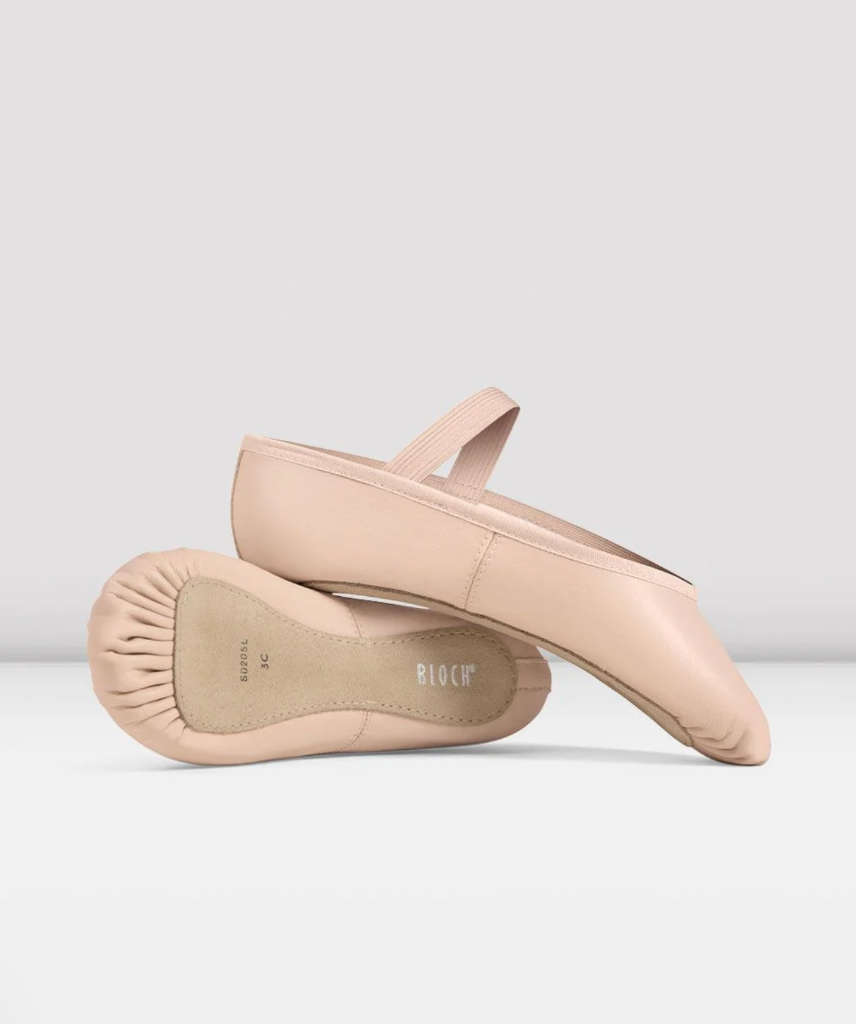
Bloch
Dansoft Full-Sole Ballet Slipper
A studio classic. The Dansoft's leather upper and full sole offer a forgiving fit and reliable support, ideal for the dancer still building foot strength.
- Soft leather molds quickly
- Full sole for honest feedback
- Classic aesthetic
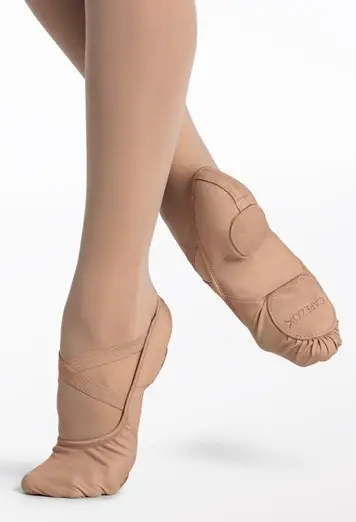
Capezio
Hanami Canvas Split-Sole
Lightweight and beautifully constructed, the Hanami is the split-sole shoe that consistently earns praise from adult beginners and their teachers alike.
- Feather-light canvas
- Flattering pointed arch
- Breathable for long classes
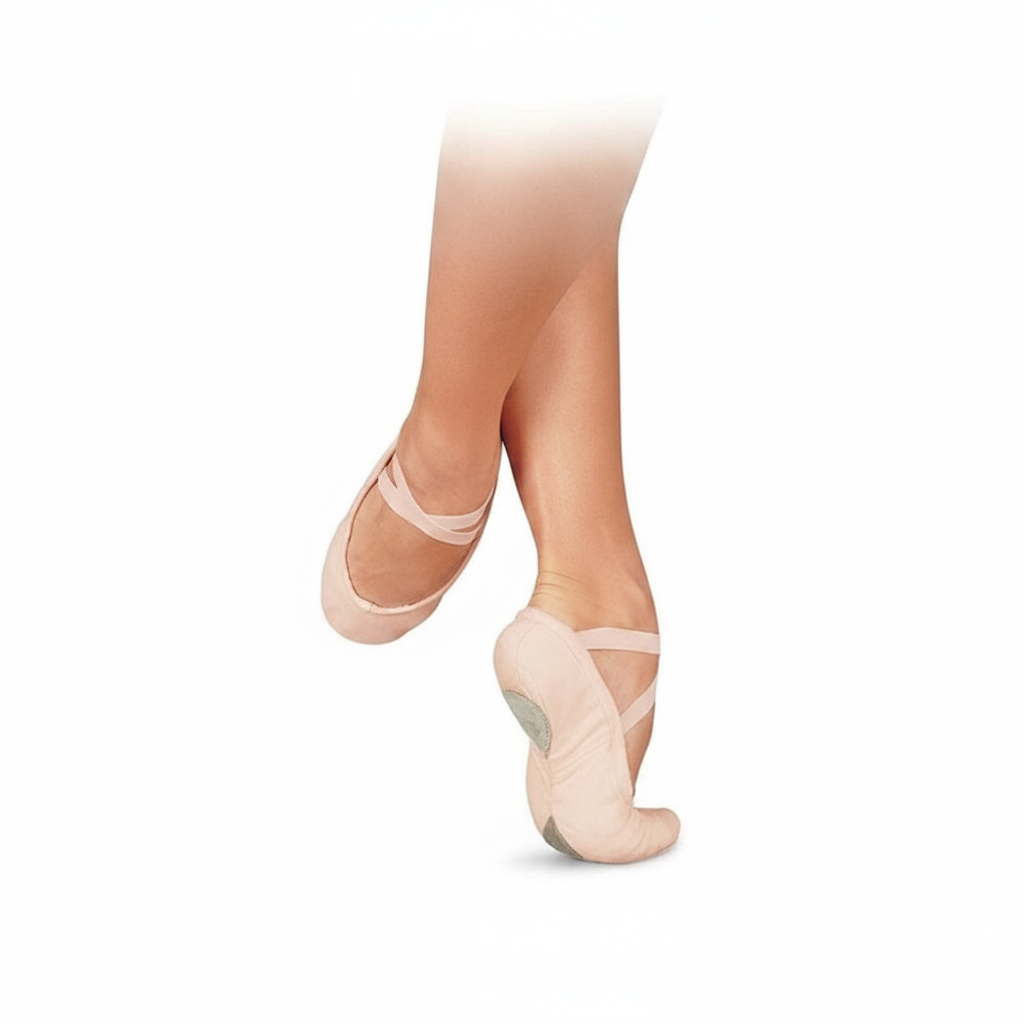
Sansha
Pro 1 Canvas Split-Sole
Sansha's entry-level slipper punches well above its price. Consistently recommended for beginners who want quality without the premium outlay.
- Exceptional value
- Durable canvas construction
- Available in multiple widths
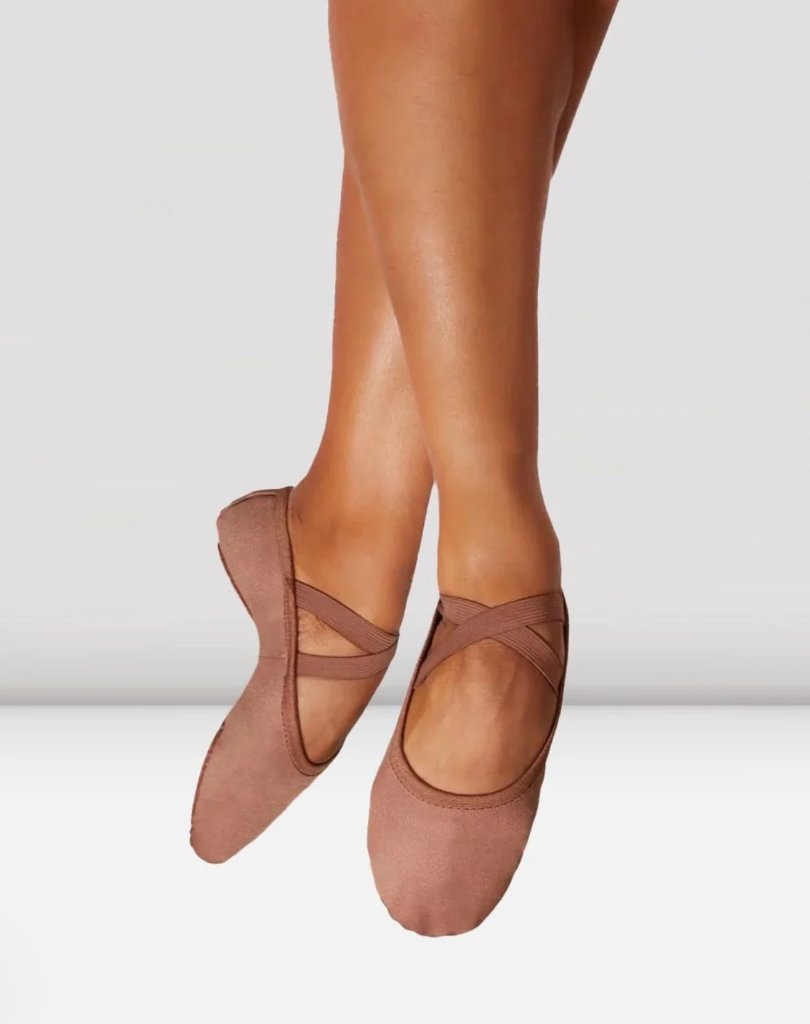
Bloch
Ladies Performa Stretch Canvas Ballet Shoes
Bloch's answer to the canvas split-sole market. The Arise features a microfiber insole and a particularly secure heel that stays put through barre work.
- Secure heel fit
- Microfiber insole
- Great arch definition
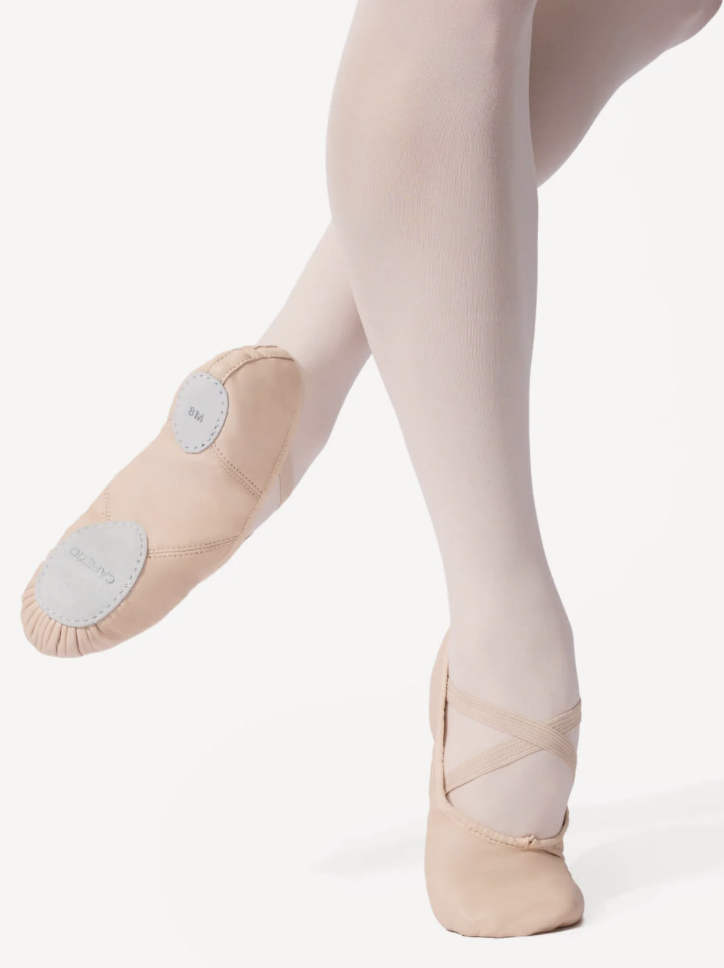
Capezio
Leather Juliet Ballet Shoe
A first-rate choice for dancers with narrow feet. The Juliet's sculpted arch improves pointing and flexing with ease, while pre-attached criss-cross elastics deliver a secure, snug fit.
- Sculpted arch for better point
- Pre-attached criss-cross elastics
- Ideal for narrow feet
Ad Space
About
The Ballet Edit
The Ballet Edit is a publication dedicated to ballet culture, adult beginner dance education, movement, alignment, and the enduring style of the ballet world.
Written and edited by practitioners with professional dance experience on stage, film, and television, The Ballet Edit exists to inform, inspire, and welcome adults into the art form at every stage of their journey.