Famous Ballerinas Then and Now: Icons Who Shaped the Art Form
Ballet has always been carried forward by extraordinary women, artists whose technical brilliance, dramatic power, and sheer dedication transformed what was possible on stage. From the romantic era to the present day, these ballerinas didn't just perform ballet; they redefined it. Here's a journey through the legends who came before and the stars who carry the torch today.
The Pioneers: Ballerinas Who Built the Foundation
Marie Taglioni (1804–1884)
Era: Romantic Ballet Nationality: Swedish-Italian Signature Role: La Sylphide
Why she matters: Taglioni is often credited as the first true ballerina of the Romantic era. She was one of the earliest dancers to perform extensively en pointe, not as a gimmick, but as an artistic choice that created the illusion of weightlessness and ethereal beauty. Her performance in La Sylphide (1832) established the template for the romantic ballet: white tutu, supernatural being, impossible love.
Legacy: The romantic tutu (the long, bell-shaped white skirt) became synonymous with her name. She proved that ballet could be about more than courtly entertainment, it could be poetry in motion.
Anna Pavlova (1881–1931)
Era: Imperial Russian / Early 20th Century Nationality: Russian Signature Role: The Dying Swan
Why she matters: Pavlova was ballet's first global superstar. She toured relentlessly, performing in countries that had never seen ballet before, and became the face of Russian ballet worldwide. Her famous solo, The Dying Swan, choreographed for her by Michel Fokine, remains one of the most recognizable pieces in ballet.
Famous quote: "I want to be a swan for the rest of my life."
Legacy: Pavlova proved that ballet could transcend borders and languages. She inspired generations of dancers (including a young Margot Fonteyn) and demonstrated that technical excellence must serve emotional truth.
Margot Fonteyn (1919–1991)
Era: Mid-20th Century Nationality: British Signature Roles: Giselle, The Sleeping Beauty, Marguerite and Armand
Why she matters: Fonteyn was the prima ballerina assoluta of the Royal Ballet and arguably the most famous British dancer in history. Her partnership with Rudolf Nureyev, beginning when she was 43 and he was 25, became one of the most celebrated in ballet history. Their chemistry was electric, and their performances together (particularly in Marguerite and Armand) were legendary.
Legacy: Fonteyn proved that a ballerina's career need not end at 30. She danced into her 60s with grace and artistry. The Royal Ballet's Margot Fonteyn International Ballet Competition continues to honor her name.
Galina Ulanova (1910–1998)
Era: Soviet Era Nationality: Russian Signature Roles: Giselle, Romeo and Juliet, The Fountain of Bakhchisarai
Why she matters: Ulanova was the undisputed star of the Bolshoi Ballet during its golden age. Her dramatic intensity and technical purity made her the ideal Juliet in Lavrovsky's Romeo and Juliet, a role she created. Stalin himself called her "a genius of the Soviet people."
Legacy: Ulanova represented the pinnacle of Soviet ballet training. After retiring, she became a revered teacher and coach, passing her knowledge to the next generation.
Natalia Makarova (1940–present)
Era: Mid-to-Late 20th Century Nationality: Russian (later British-American) Signature Roles: La Bayadère, Giselle, The Sleeping Beauty
Why she matters: Makarova defected from the Kirov Ballet to the West in 1970, becoming one of the most celebrated dancers of her generation. She was instrumental in bringing full-length classical ballets, particularly La Bayadère, to Western audiences in their complete form.
Legacy: Makarova continues to stage productions and coach dancers worldwide. Her version of La Bayadère remains a benchmark for companies globally.
Mikhail Baryshnikov (1948–present)
Era: Late 20th Century Nationality: Latvian-Russian-American Signature Roles: Don Quixote, The Nutcracker, Giselle
Why he matters: While technically a male dancer, Baryshnikov's impact on ballet is too significant to omit. His defection in 1974 became international news, and his subsequent career with American Ballet Theatre and New York City Ballet transformed ballet's popularity in America. His artistry, technical brilliance, and crossover appeal (including film and television) brought ballet to mainstream audiences.
Legacy: Baryshnikov proved that male dancers could be superstars. His influence on ballet training and performance style continues today.
The Modern Legends: Ballerinas Who Redefined Excellence
Sylvie Guillem (1965–present)
Era: Late 20th / Early 21st Century Nationality: French Signature Roles: Giselle, Manon, Swan Lake
Why she matters: Guillem was known as "Mademoiselle Non" for her fierce independence and refusal to compromise. She left the Paris Opera Ballet at the height of her career to join the Royal Ballet, then abandoned classical ballet entirely for contemporary work. Her technical facility was extraordinary, she could do things with her body that seemed physically impossible.
Legacy: Guillem demonstrated that a ballerina could have agency over her career. She retired on her own terms in 2015 after a farewell tour that celebrated her unparalleled artistry.
Alessandra Ferri (1963–present)
Era: Late 20th / Early 21st Century Nationality: Italian Signature Roles: Romeo and Juliet, Manon, La Traviata
Why she matters: Ferri was a principal with La Scala, the Royal Ballet, and American Ballet Theatre, a rare triple threat. Her dramatic intensity and luscious line made her an unforgettable Juliet and Manon. After retiring in 2007, she returned to the stage in 2013, performing well into her 50s.
Legacy: Ferri proved that artistry deepens with age. Her comeback performances were critically acclaimed and inspired older dancers everywhere.
Darcey Bussell (1969–present)
Era: Late 20th / Early 21st Century Nationality: British Signature Roles: The Sleeping Beauty, Giselle, Cinderella
Why she matters: Bussell became the youngest-ever principal dancer at the Royal Ballet (promoted at 20). Her classical purity, combined with genuine warmth and accessibility, made her Britain's most beloved ballerina. She retired in 2007 but remains a prominent figure as a judge on Strictly Come Dancing and advocate for dance education.
Legacy: Bussell brought ballet into British living rooms. Her post-dance career has kept ballet visible in popular culture.
Paloma Herrera (1975–present)
Era: Late 20th / Early 21st Century Nationality: Argentine Signature Roles: Don Quixote, La Bayadère, Romeo and Juliet
Why she matters: Herrera was a principal with American Ballet Theatre for over two decades, known for her sparkling technique and radiant stage presence. She was particularly celebrated in Don Quixote, a role that demands both virtuosity and charm.
Legacy: Herrera represented the internationalization of ballet. An Argentine dancer who trained in Cuba and danced in America, she embodied ballet's global reach.
The Current Stars: Ballerinas Defining Today
The Edit's Selection
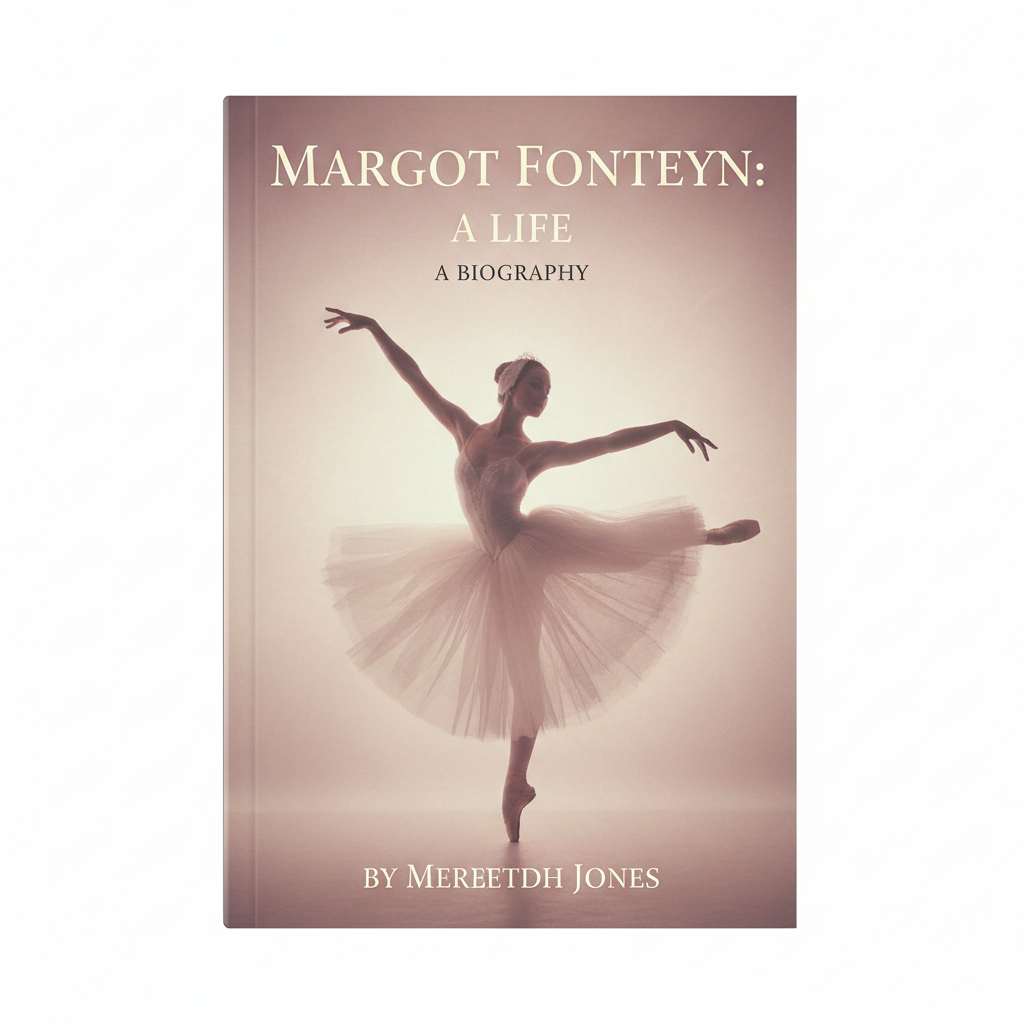
Meredith Daneman
Margot Fonteyn: A Life
The definitive biography of Dame Margot Fonteyn — the woman who defined what it meant to be a prima ballerina assoluta. Daneman spent years interviewing those closest to Fonteyn and the result is a portrait of extraordinary nuance: the flawless technique, the legendary Nureyev partnership, and the complicated private life behind the serene public face.
- Definitive biography — years of original research
- Covers her Nureyev partnership in full
- A portrait of ballet's most iconic ballerina
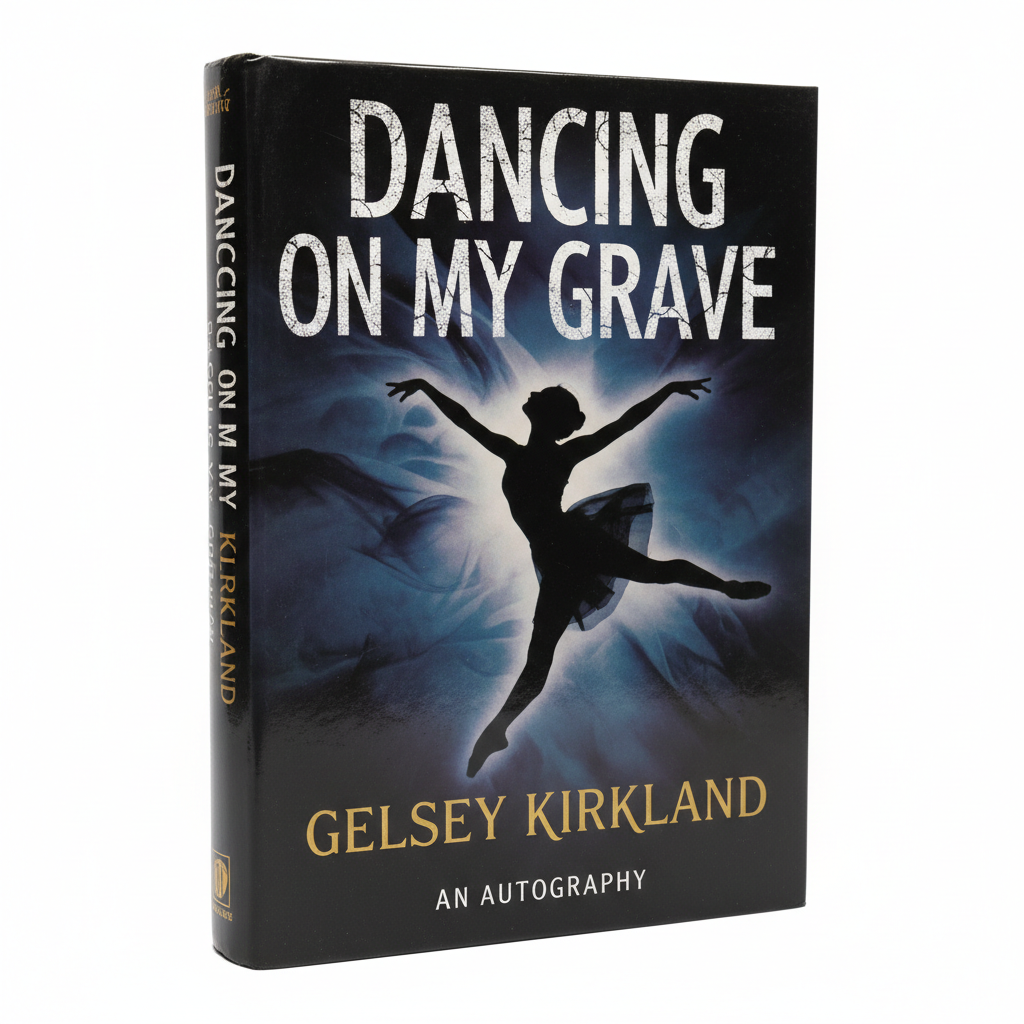
Gelsey Kirkland
Dancing on My Grave
One of the most raw and unflinching memoirs ever written about life inside a major ballet company. Kirkland — Baryshnikov's partner at ABT and one of the most gifted American ballerinas of her generation — wrote with brutal honesty about the physical demands of the art, her battle with addiction, and a culture that crushed as often as it elevated. Essential, difficult, important.
- One of ballet's most honest memoirs
- Rare insider account of ABT in its golden era
- A landmark in dance writing
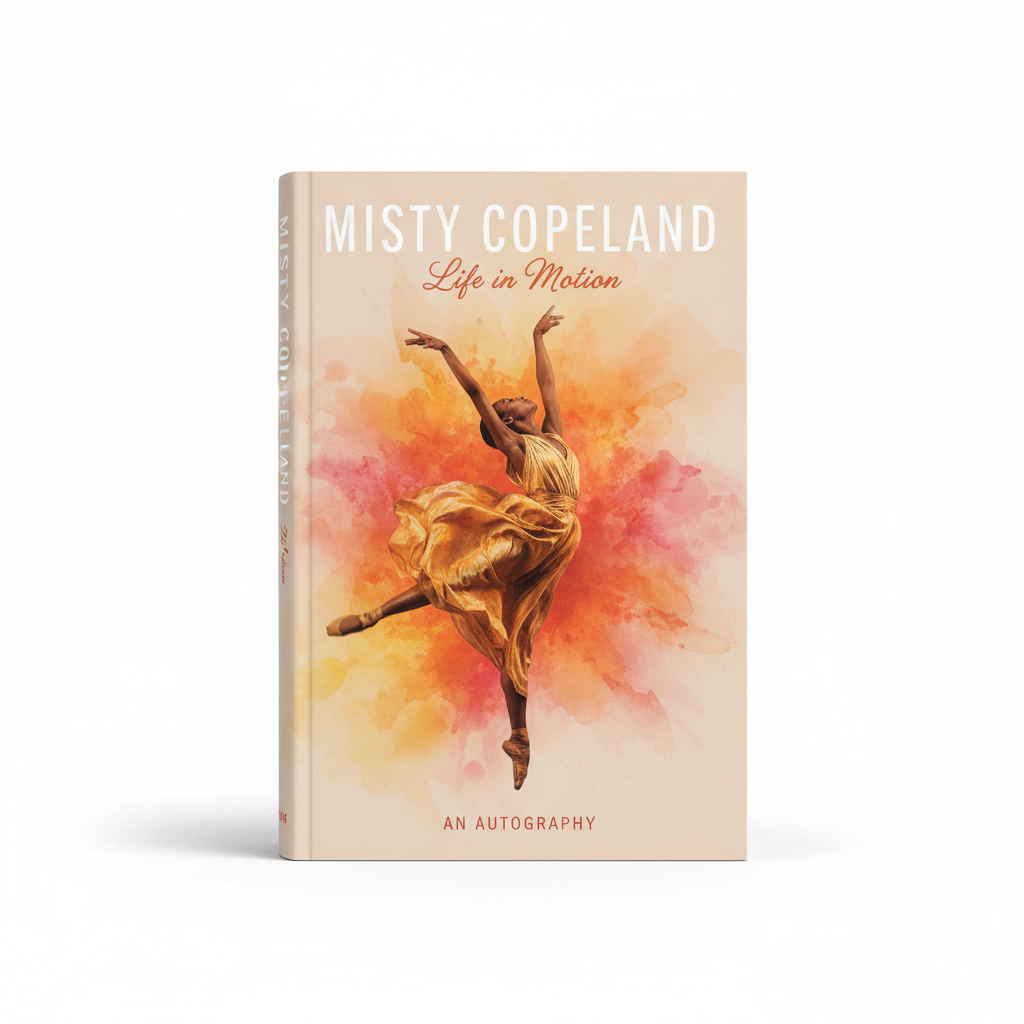
Misty Copeland
Life in Motion: An Unlikely Ballerina
Misty Copeland became the first African American female principal dancer at American Ballet Theatre in 2015 — and this memoir tells the story of how she got there. Beginning ballet at 13, far older than most, and navigating a world not built for her, Copeland's account is both a compelling personal story and a broader conversation about race, body, and belonging in classical dance.
- A groundbreaking story of race and ballet
- Began training at 13 — relatable for adult starters
- Warm, accessible writing
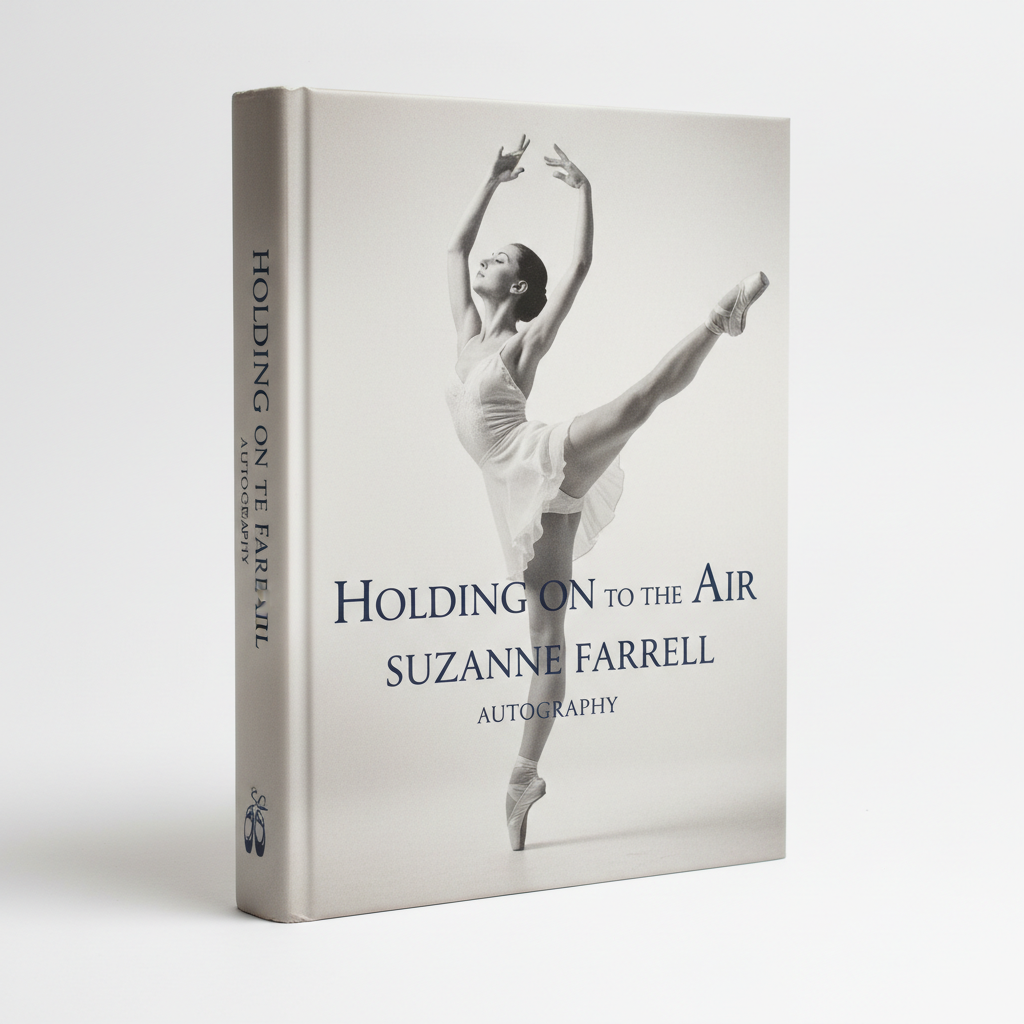
Suzanne Farrell
Holding on to the Air
Suzanne Farrell was Balanchine's muse, his greatest interpreter, and arguably the most important American ballerina of the twentieth century. Her memoir is quietly extraordinary — gracious, intelligent, and full of insight into how Balanchine worked, what he demanded, and what it felt like to inhabit his choreography from the inside.
- Intimate account of working with Balanchine
- Written by his most celebrated muse
- Insightful and beautifully understated
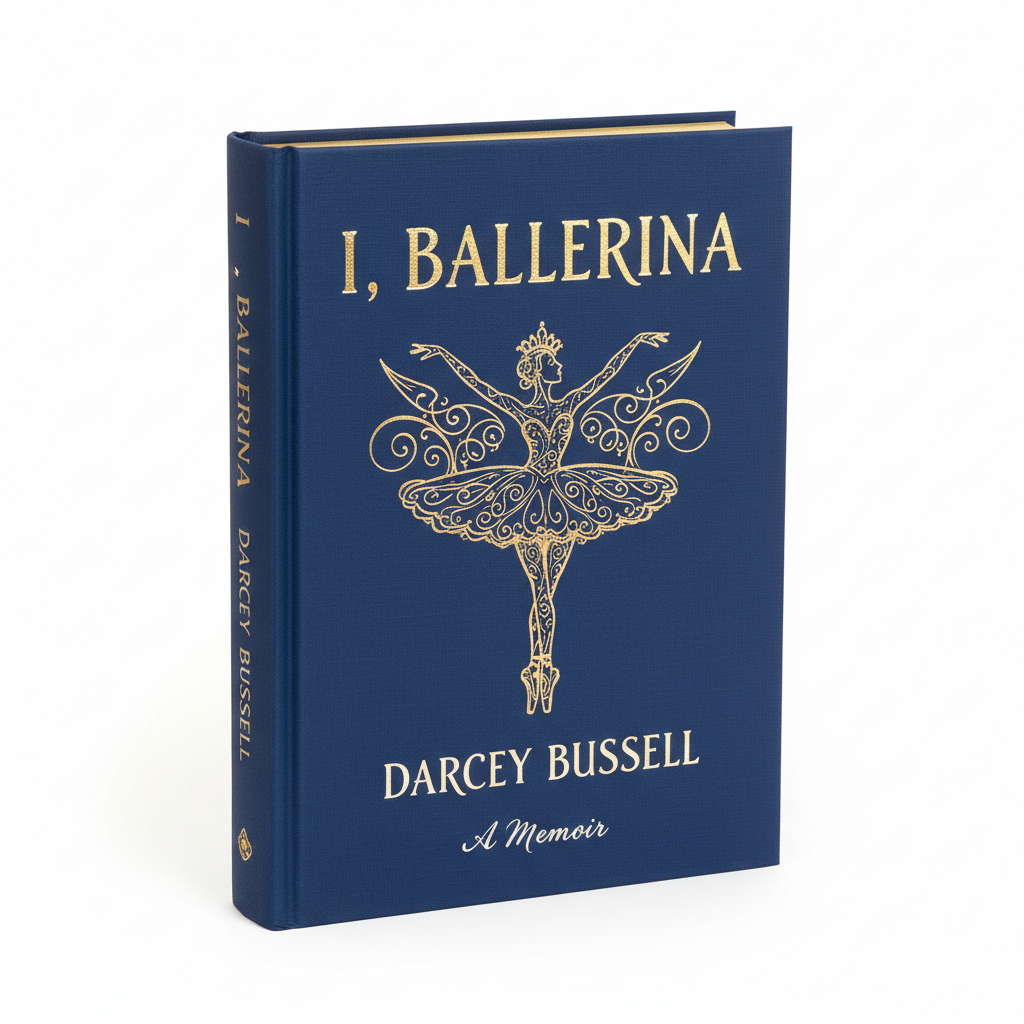
Darcey Bussell
Darcey Bussell: A Life in Pictures
A gorgeous visual memoir from the Royal Ballet's best-loved principal of the modern era. Bussell traces her career through exceptional photography — from her first steps at White Lodge to her farewell performance at the Royal Opera House — with warm, personal commentary throughout. A book that celebrates the physical beauty of ballet at the highest level.
- Stunning photography throughout a 20-year career
- Warm personal commentary from Bussell herself
- A celebration of the Royal Ballet's recent golden era
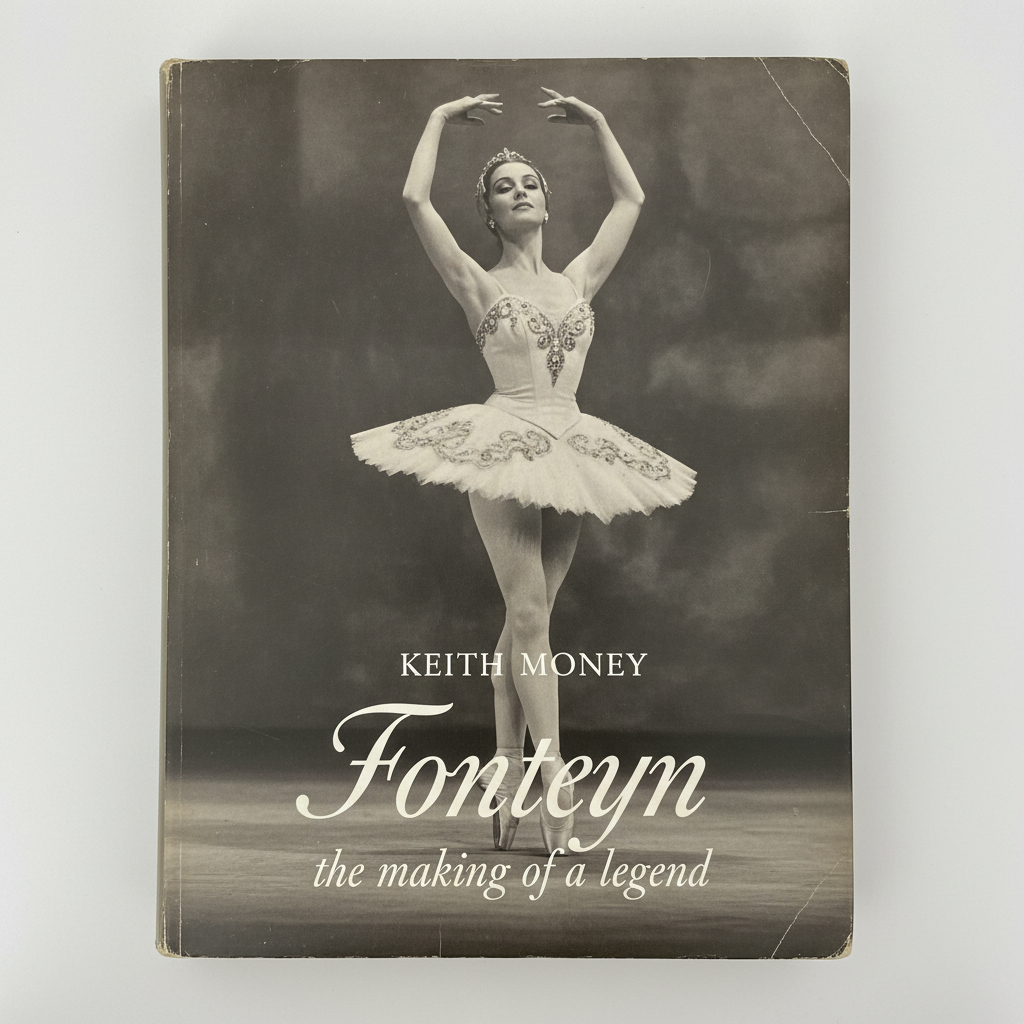
Keith Money
Fonteyn: The Making of a Legend
Keith Money was Fonteyn's personal photographer and friend for over two decades. This book — part biography, part archive — draws on that intimate access to create an irreplaceable document of her life and career. The photographs alone are worth the price; the writing gives them full context.
- By Fonteyn's personal photographer
- Rare and intimate photographic archive
- A deeply personal companion to Daneman's biography
Ad Space
About
The Ballet Edit
The Ballet Edit is a publication dedicated to ballet culture, adult beginner dance education, movement, alignment, and the enduring style of the ballet world.
Written and edited by practitioners with professional dance experience on stage, film, and television, The Ballet Edit exists to inform, inspire, and welcome adults into the art form at every stage of their journey.