The Surprise in Your First Syllabus
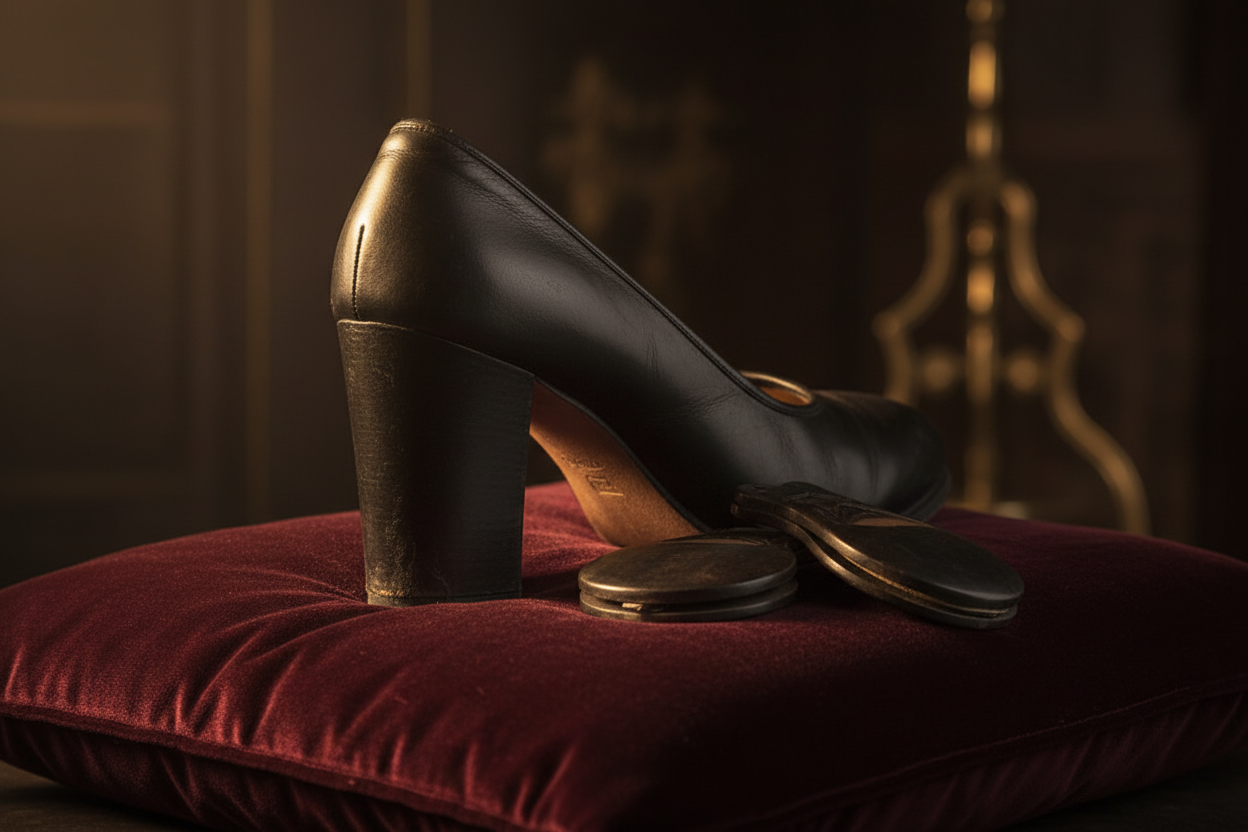
You signed up for ballet. You bought your soft shoes and your tights. And then your school handed you a pair of heavy-heeled black shoes and what appear to be small wooden percussion instruments. Welcome to character dance.
What Is Character Dance?
Character dance is a theatrical dance form that grew alongside classical ballet, particularly in the Russian tradition. It draws from folk dances of various European nations, Hungarian, Spanish, Italian, Russian, Polish, and stylizes them for the ballet stage.
If you've seen Swan Lake, you've seen character dance: the Spanish, Neapolitan, Hungarian, and Polish divertissements in Act III are all character dances. They're the vibrant, rhythmic, stamping counterpoint to the ethereal classical sections.
The Character Shoe
Character shoes are heeled shoes, typically a Cuban heel of about 1.5 to 2 inches. They look more like vintage dance shoes than ballet slippers, and they feel entirely different under your feet.
The heel changes your relationship with the floor. Your weight shifts forward, your posture adjusts, your movement quality becomes more grounded and percussive. Where ballet asks you to defy gravity, character dance asks you to celebrate it.
The Castanets
Castanets are a Spanish percussion instrument, two small, concave pieces of wood attached to a cord that wraps around the thumb or fingers. In character dance class, you learn to click them in rhythmic patterns while executing dance steps.
The coordination challenge is significant: you're managing footwork, port de bras, spatial patterns, and a percussion instrument simultaneously. It's the ultimate multitasking exercise.
"Character dance teaches you something classical ballet can't: how to be loud, grounded, and unapologetically theatrical."
Why It Matters for Adult Students
Character dance develops musicality, rhythmic precision, and stamina in ways that complement classical ballet beautifully. It's also, frankly, more fun than many adults expect. The music is lively, the movements are bold, and the atmosphere in a character class tends to be more relaxed than in a classical ballet class.
If your school offers it, embrace it. Those heavy shoes and clicking castanets are your gateway into one of ballet's richest traditions.
The Edit's Selection
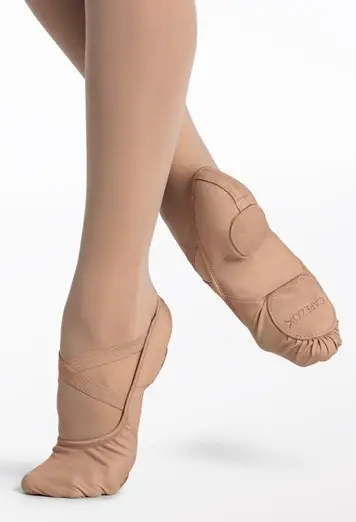
Capezio
Hanami Canvas Split-Sole
A perennial favourite among adult beginners and intermediate dancers for its lightness and beautiful arch profile.
- Lightweight
- Flattering line
- Breathable
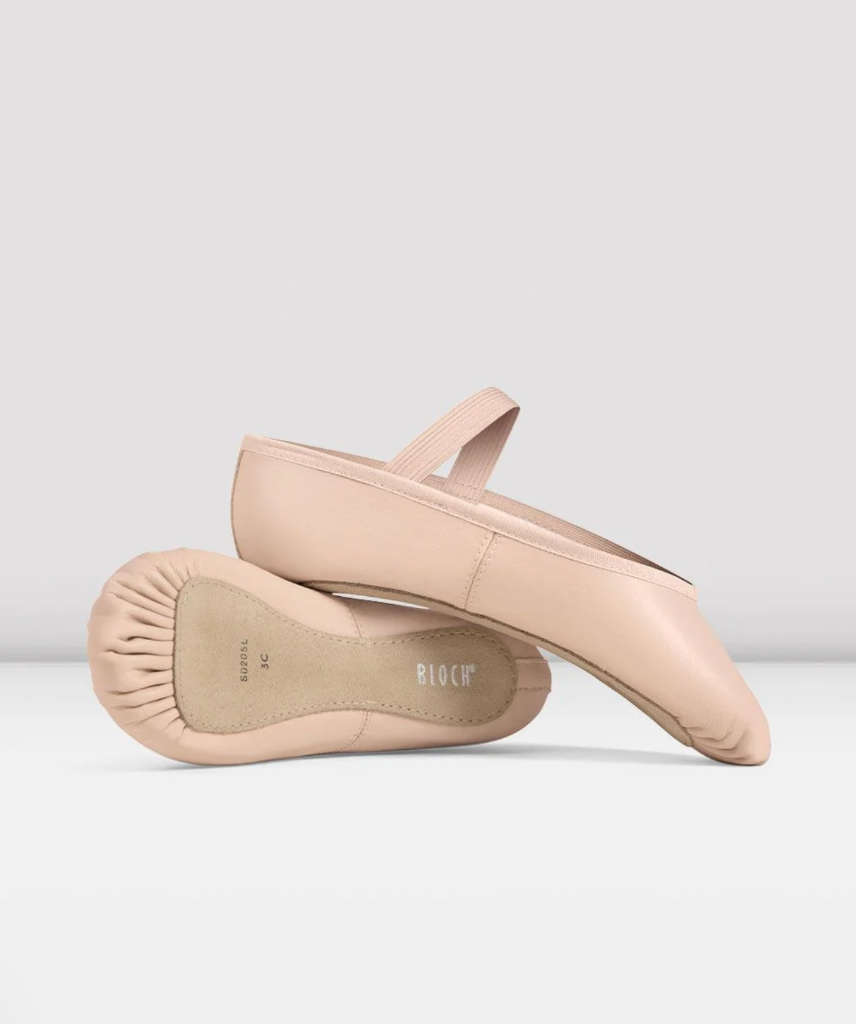
Bloch
Dansoft Full-Sole Ballet Slipper
The go-to recommendation for first-time ballet shoe buyers: forgiving, classic, and built to last a solid first year of classes.
- Supportive full sole
- Molds to the foot
- Classic leather
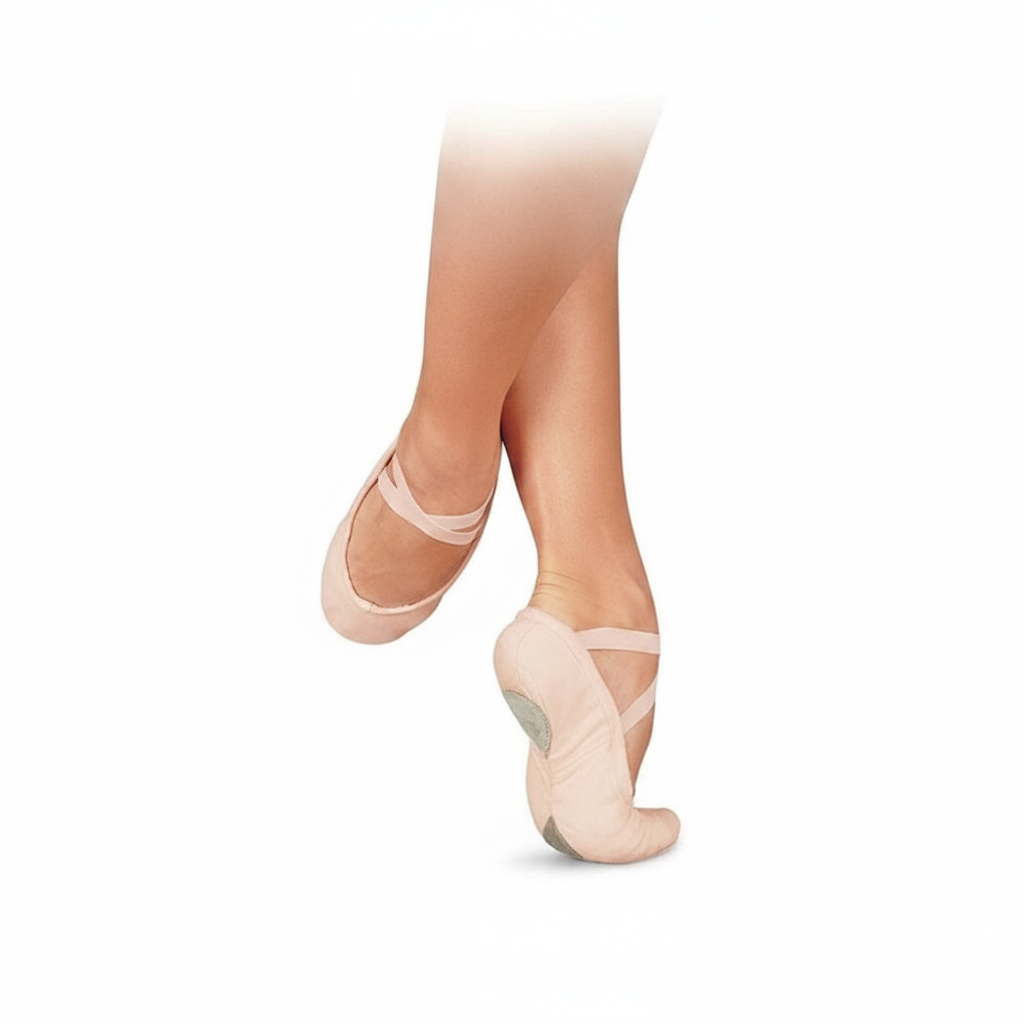
Sansha
Pro 1 Canvas Split-Sole
Quality at an honest price. Sansha's Pro 1 is a reliable first slipper that won't punish you for not yet knowing your preferences.
- Excellent value
- Durable
- Wide size range
Ad Space
About
The Ballet Edit
The Ballet Edit is a publication dedicated to ballet culture, adult beginner dance education, movement, alignment, and the enduring style of the ballet world.
Written and edited by practitioners with professional dance experience on stage, film, and television, The Ballet Edit exists to inform, inspire, and welcome adults into the art form at every stage of their journey.