What to Bring to Ballet Class: A Beginner's Bag Checklist
There's nothing more frustrating than arriving at the studio only to realize you've forgotten something essential. Whether you're a first-time beginner or a returning dancer, having the right gear in your ballet bag makes all the difference. Here's your complete guide to packing for ballet class.
The Absolute Essentials
These are the non-negotiables, the items you need for every single class.
1. Ballet Slippers
What you need:
- Beginners: Soft leather or canvas ballet slippers in pink (traditional) or black (often preferred for men's classes)
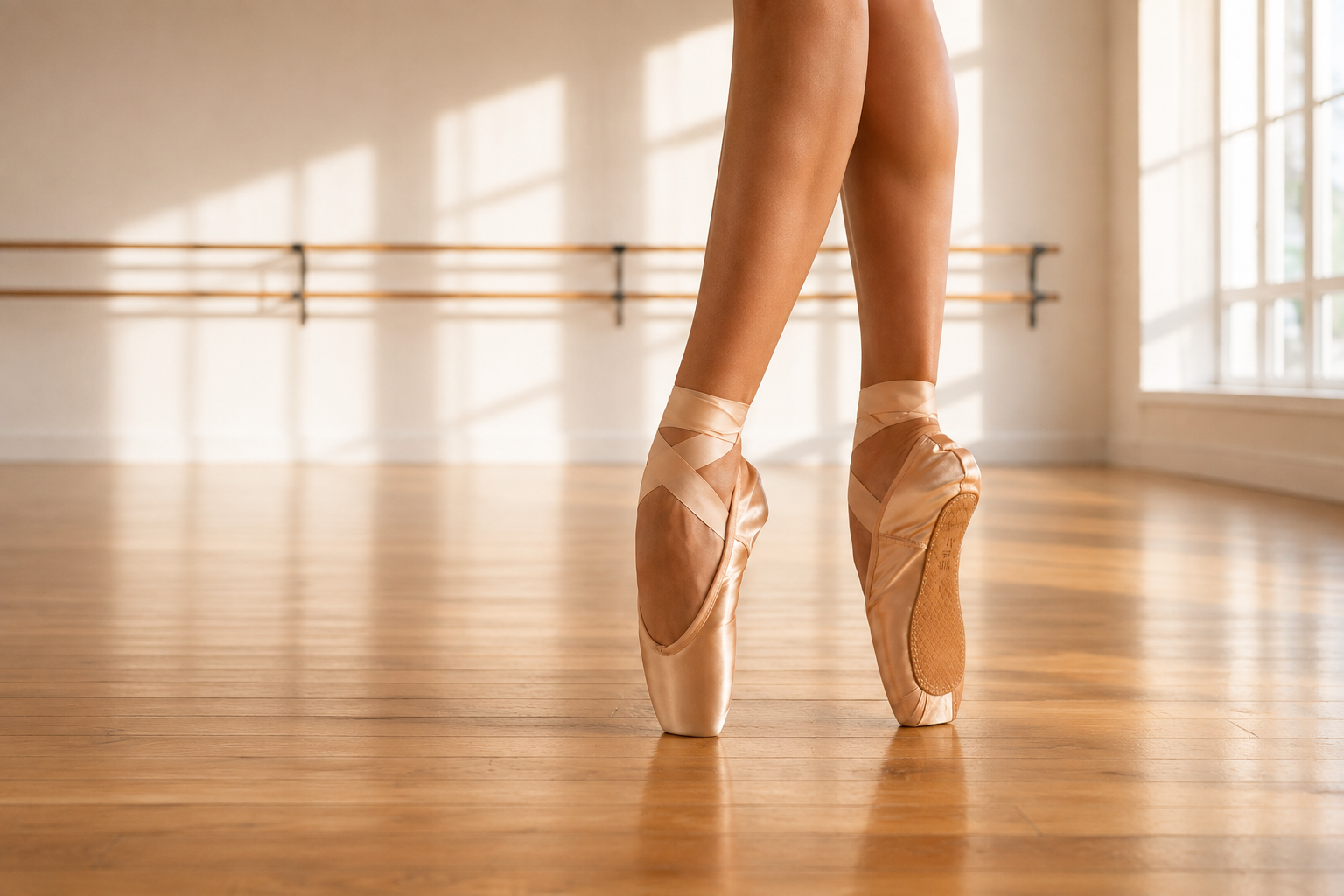
- Advanced dancers: Both soft slippers and pointe shoes if you're on pointe
- Fit tip: Slippers should fit snugly like a glove with no extra room at the toes
Pro tip: Keep a backup pair in your bag. Ballet slippers can tear, and having a spare saves your class.
2. Leotard
What you need:
- At least one clean leotard per class (many dancers prefer multiple)
- Choose styles appropriate for your studio's dress code
- Consider bringing a spare for sweaty days, long rehearsals or unexpected spills.
Style notes:
- Beginners: Classic tank or short-sleeve styles in solid colors
- Advanced: Follow your studio's specific dress code (some require specific colors for specific class levels)
- Comfort first: Make sure it fits well and doesn't ride up during movement
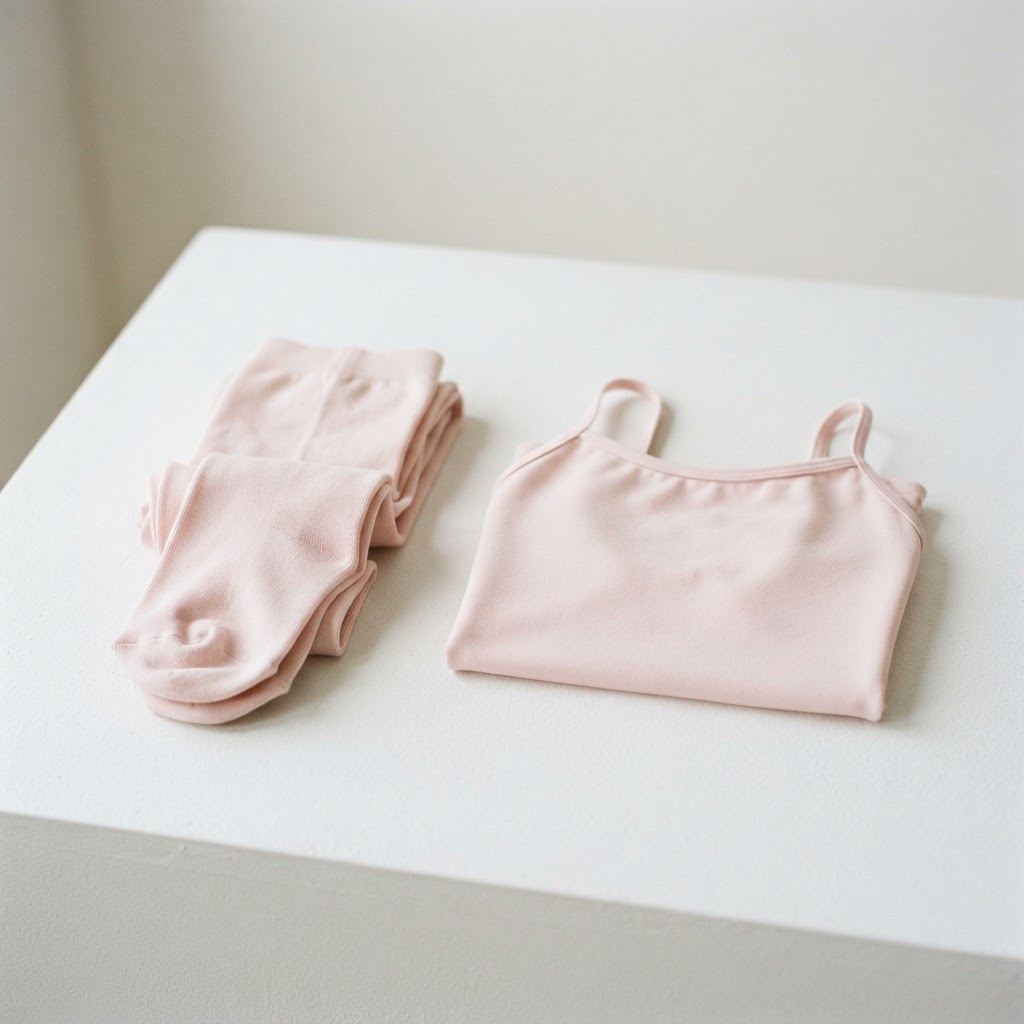
3. Tights (Plus Extras!)
What you need:
- Women: Pink (or skin tone) ballet tights (convertible or footed, depending on preference)
- Men: Black or white tights, or dance shorts depending on studio requirements
- Pack extra: At least one additional pair, tights ladder easily and having a backup is essential.
- Leggings, dance "pants" and sweats are an acceptable option. Check with your studio.
Pro tip: Convertible tights let you expose your foot for pointe work while keeping the leg covered for regular class. Some dancers cut a tiny slit into footed tights and then use nail polish along the edges to seal the fabric.
4. Hair Supplies
What you need:
- Hair ties/elastics: Multiple strong, snag-free elastics (the kind that match your hair color), bring at least 5-10
- Hair pins/bobby pins: At least 15-20, more for thick or long hair
- Hairnet: Matching your hair color for a polished bun
- Hairspray or gel: For flyaways and baby hairs
- Comb or brush: For smoothing before you pin
- Safety pins: A few small ones for emergency wardrobe fixes
The goal: Your hair should be secure enough to withstand jumps, turns, and inversions without coming loose.
Highly Recommended Additions
These items aren't strictly required but will make your class experience much better.
5. Leg Warmers and Warm-Ups
Why bring them:
- Keep muscles warm during barre work
- Easy to remove as you heat up
- Protect legs during floor work
- Add an extra layer in cold studios
Style options:
- Classic knit leg warmers
- Stirrup style for extra coverage
- Over the knee, and even higher for extra warmth
- Wrap skirts for added warmth and coverage
- Some dancers start class with thick tube socks over their slippers to help warm up their feet. (Folded over just above the arch, creates a nice arch.)
6. Dance Shorts or Wrap Skirt
Why bring them:
- Extra coverage
- Modesty during stretches and floor work
- Warmth during warming up and cool-down
- Some studios require them for certain class levels
7. Water Bottle
Why it matters:
- Ballet is more athletic than it looks
- Staying hydrated prevents cramps and fatigue
- Many studios don't have water fountains
- Reusable bottles are eco-friendly and cost-effective
- Check with your studio whether water bottles are allowed at the barre.
Pro tip: Bring a bottle with a secure lid, no one wants a water spill in their dance bag.
8. Towel
Why bring it:
- Wipe sweat during intense classes
- Clean up after floor work
- Dry off if you shower at the studio
- Small hand towels work perfectly
- Consider a small wet bag to store damp items after class
Personal Care & First Aid Items
These thoughtful additions keep you comfortable, safe, and confident.
9. Deodorant
Why it matters: Ballet is a workout. Fresh is respectful to your classmates and teachers.
10. Basic First Aid Kit
What to pack:
- Band-Aids: For blisters from new shoes, bring multiple sizes
- Blister tape: Specifically designed for dance, prevents and protects hot spots
- Moleskin: For hot spots before they become blisters
- Athletic tape: For toe taping or minor support
- Pain reliever: Ibuprofen or acetaminophen for unexpected aches.
Pro tip: Keep these in a small pouch so they're easy to find when you need them quickly.
11. Sewing Kit
What you need:
- Small scissors
- Needle and thread (pink, black, and nude)
- Extra buttons or hooks
- Elastic for replacing worn shoe ribbons
- Safety pins (also keep some separate for quick fixes)
Why it matters: A broken strap, loose seam, or fallen hook doesn't have to ruin your class if you're prepared.
12. Foot Care Items
What to pack:
- Toe pads: For cushioning in pointe shoes or tight slippers, essential if you're on pointe
- Lamb's wool: For custom cushioning and spacing toes in pointe shoes (eventually upgrade to gel toe caps)
- Foot cream: For post-class moisturizing
- Blister pads: For new shoes or sensitive spots
- Second skin: Advanced blister protection for serious dancers
For pointe dancers: You'll eventually want a full pointe shoe care kit with lambs wool, toe spacers, gel caps, and second skin for maximum protection.
Training & Practice Tools
13. Theraband (Resistance Band)
Why bring it:
- Warm up feet and ankles before class
- Strengthen arches and improve pointing
- Physical therapy exercises for injury prevention
- Cool down and stretch after class
How to use: Sit with legs extended, loop the band around your foot, and perform pointed/flexed repetitions. Essential for building strong, injury-resistant feet.
14. Notebook and Pen
Why it matters:
- Write down combinations you struggle with
- Note corrections from your teacher
- Track your progress over time
- Remember choreography for rehearsals
Pro tip: A small dance notebook fits easily in your bag and becomes invaluable as you advance.
For Rehearsals & Extra Practice
15. Portable Speaker
When you need it:
- Rehearsing choreography at home
- Practicing combinations between classes
- Working on musicality
- Recording yourself for self-review
What to look for:
- Compact and portable
- Good battery life
- Clear sound quality
- Bluetooth connectivity
- Water-resistant (for sweaty practice sessions)
Pro tip: Some dancers prefer to bring music to open classes or rehearsals, check with your teacher first, but having your own speaker can be a game-changer for personal practice.
Nice-to-Haves
These items elevate your ballet bag from functional to fabulous.
16. Extra Leotard or Top
Why bring it:
- For unexpected spills or sweat
- Changing after class before heading out
- Layering for warmth on cold days
17. Snacks
What works:
- Energy bars
- Nuts or trail mix
- Fruit (bananas are great for potassium)
- Avoid anything messy or smelly
Why it matters: If you're going straight from work or school to class, you might need fuel beforehand. Post-class snacks help with recovery.
18. Change of Clothes
Why bring it:
- For after class (especially if you're going out afterward)
- Fresh underwear and socks
- Comfortable shoes for the commute home
- Casual top and bottoms
19. Shower Supplies
If your studio has showers:
- Travel-size shampoo and conditioner
- Body wash
- Flip-flops for the shower
- Clean towel
- Makeup and skincare for after
20. Electronics
What to consider:
- Headphones: For commuting to/from class
- Portable charger: For your phone
- Smartwatch or fitness tracker: To monitor your heart rate
The Ballet Bag Itself
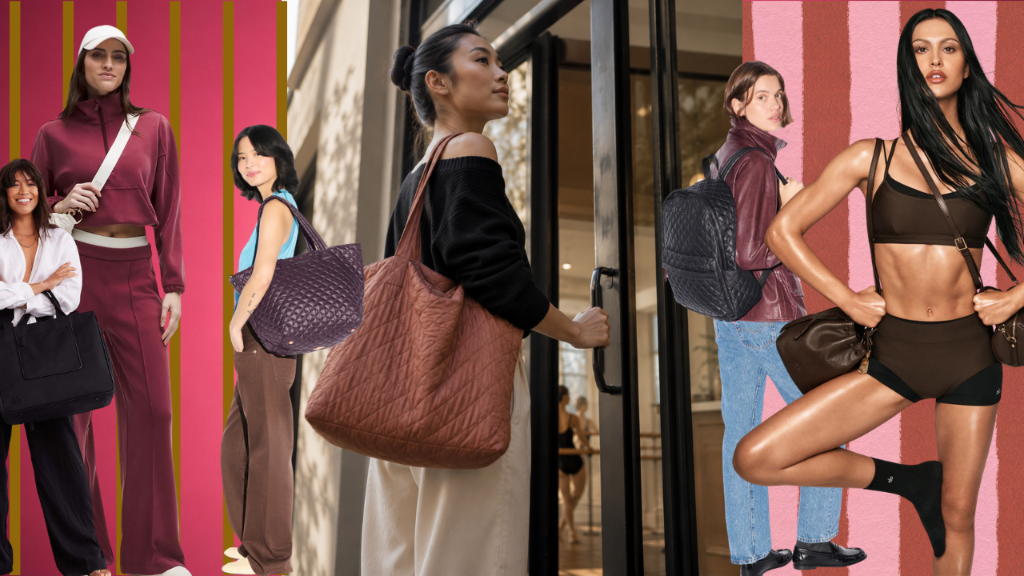
Your bag matters as much as what's in it.
What to Look For:
Size:
- Large enough to fit all essentials
- Not so big it becomes unwieldy
- Consider compartmentalization
Style:
- Tote bags: Classic, easy access, elegant
- Backpacks: Hands-free, weight distribution, practical
- Dance-specific bags: Designed with dancers' needs in mind
- Gym bags: Budget-friendly, spacious
Features to Consider:
- Separate shoe compartment (for dirty soles)
- Water bottle holder
- Interior pockets for small items
- Durable, easy-to-clean material
- Comfortable straps
Top Picks:
- Luxury: Repetto, Bloch, or Capezio leather totes
- Mid-range: Dance-specific bags from Wear Moi or Mondor
- Budget: Canvas totes or gym bags from Target or Amazon. (If you already have something like a Trader Joes or market canvas tote, you can always use what you have!)
Packing Tips from Experienced Dancers
1. Use Packing Cubes or Pouches
Organize your bag with small pouches:
- One for hair supplies (pins, ties, net, spray)
- One for foot care (toe pads, blister tape, band-aids)
- One for sewing essentials (needle, thread, scissors, safety pins)
- One for personal care items
This makes finding things quick and keeps small items from getting lost.
*Don't forget your keys and wallet, and transfer regular items from your daily purse if you won't be taking it
2. Pack the Night Before
Morning you will thank evening you:
- Lay out your leotard and tights (plus extras)
- Check your shoes for needed repairs
- Refill your water bottle
- Add any studio-specific items (notes, payment, etc.)
3. Do a Weekly Bag Reset
Once a week:
- Remove old receipts and papers
- Replace used band-aids and supplies
- Wash out any dirty compartments
- Restock essentials
The Edit's Selection
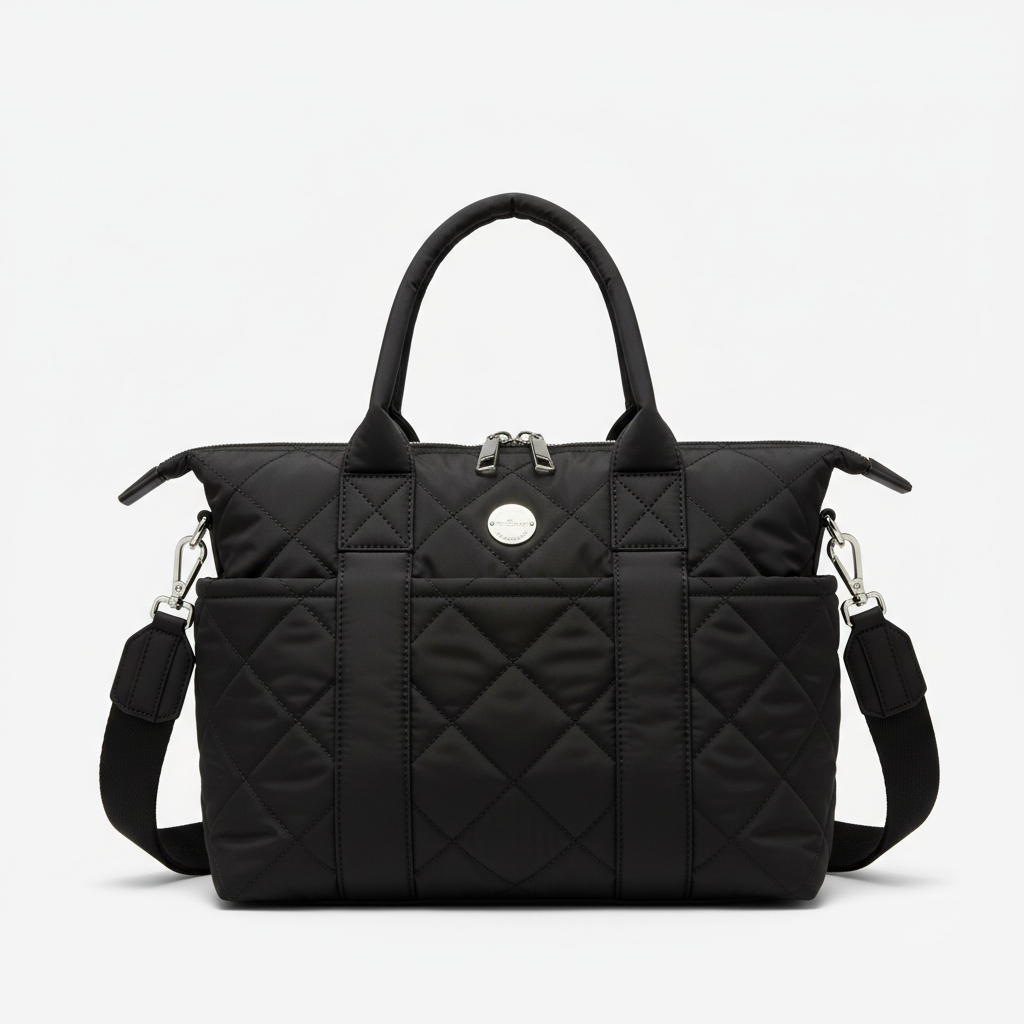
MZ Wallace
Metro Tote Deluxe
The Metro Tote Deluxe is the unofficial bag of the serious studio-goer. Its signature quilted nylon is feather-light yet structured enough to hold its shape when loaded with pointe shoes, a change of clothes, and everything in between. Water-resistant, machine-washable, and built to last — this is the bag that lives at the studio door.
- Quilted nylon: light, structured, washable
- Water-resistant exterior
- Beloved by dancers for studio-to-street ease
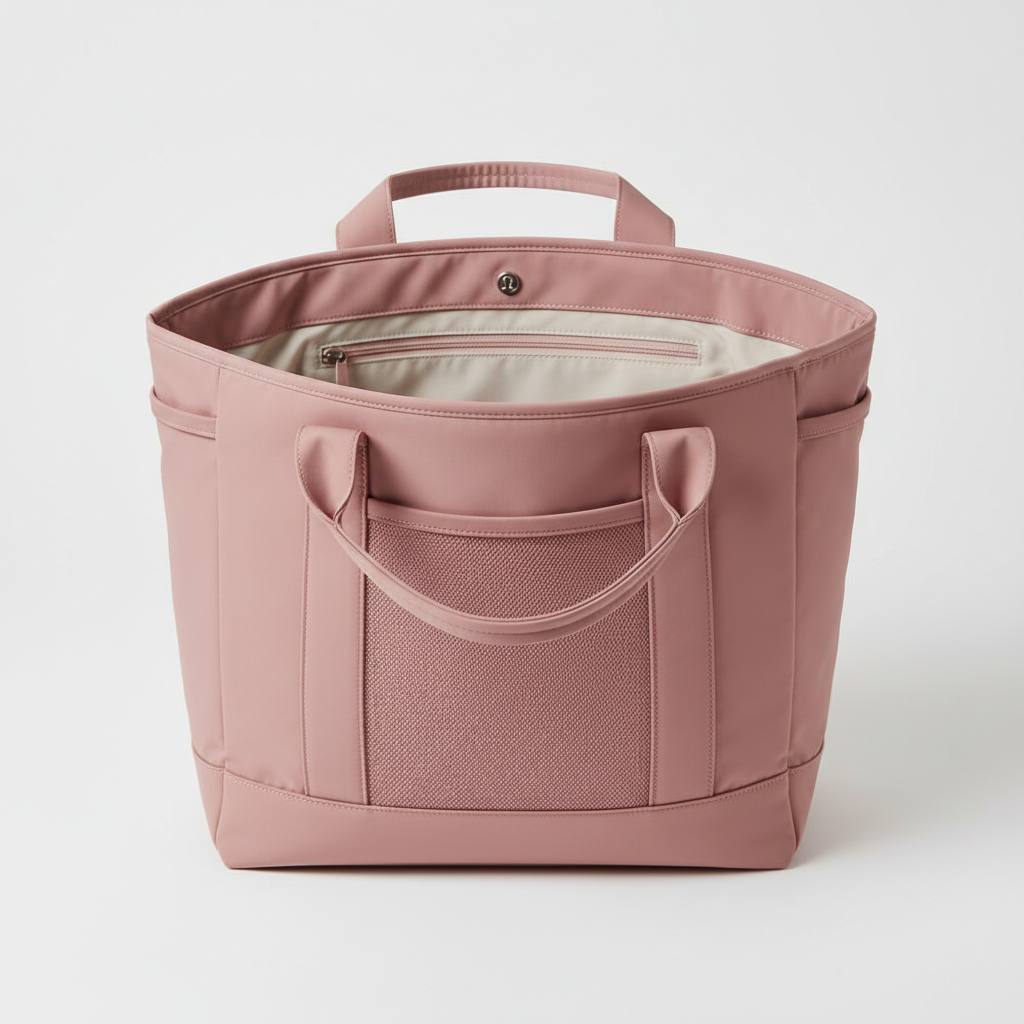
Lululemon
Everywhere Tote 24L
Lululemon built their reputation on knowing what athletes need to carry — and the Everywhere Tote shows it. The 22-litre capacity swallows ballet shoes, warm-up layers, and a water bottle without complaint. Interior slip pockets keep small items from disappearing, and the wide, flat base means it actually stands up on a studio bench.
- 24L capacity fits everything for class
- Interior pockets keep items organised
- Structured base stands upright
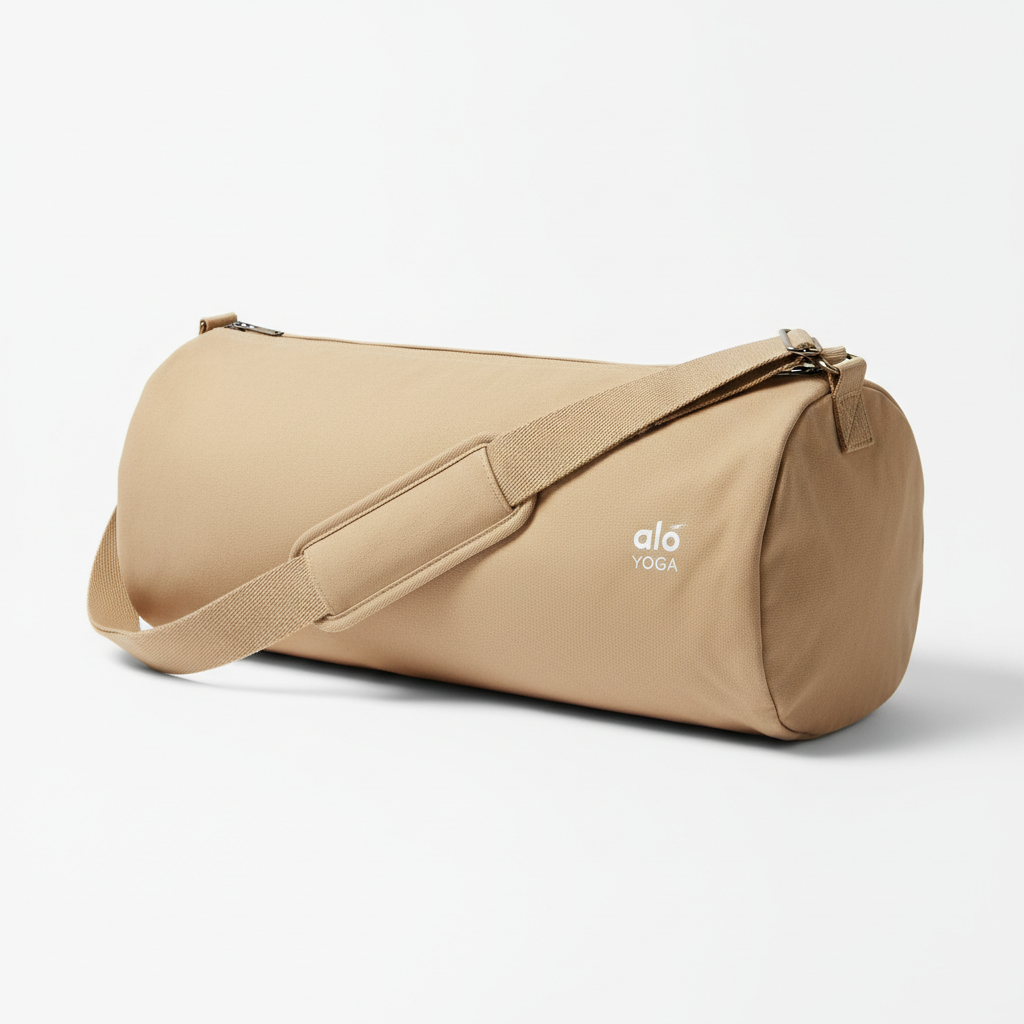
Alo Yoga
Tranquility Tote Bag
Alo has positioned itself as the luxury end of the studio aesthetic — and the Renew Tote lives up to it. Made from soft, elevated nylon with clean hardware and a minimal profile, it reads as a fashion bag that happens to function perfectly in a ballet studio. For the dancer who refuses to compromise on how their bag looks walking into class.
- Elevated luxury aesthetic
- Soft premium
- Minimal profile, maximum style
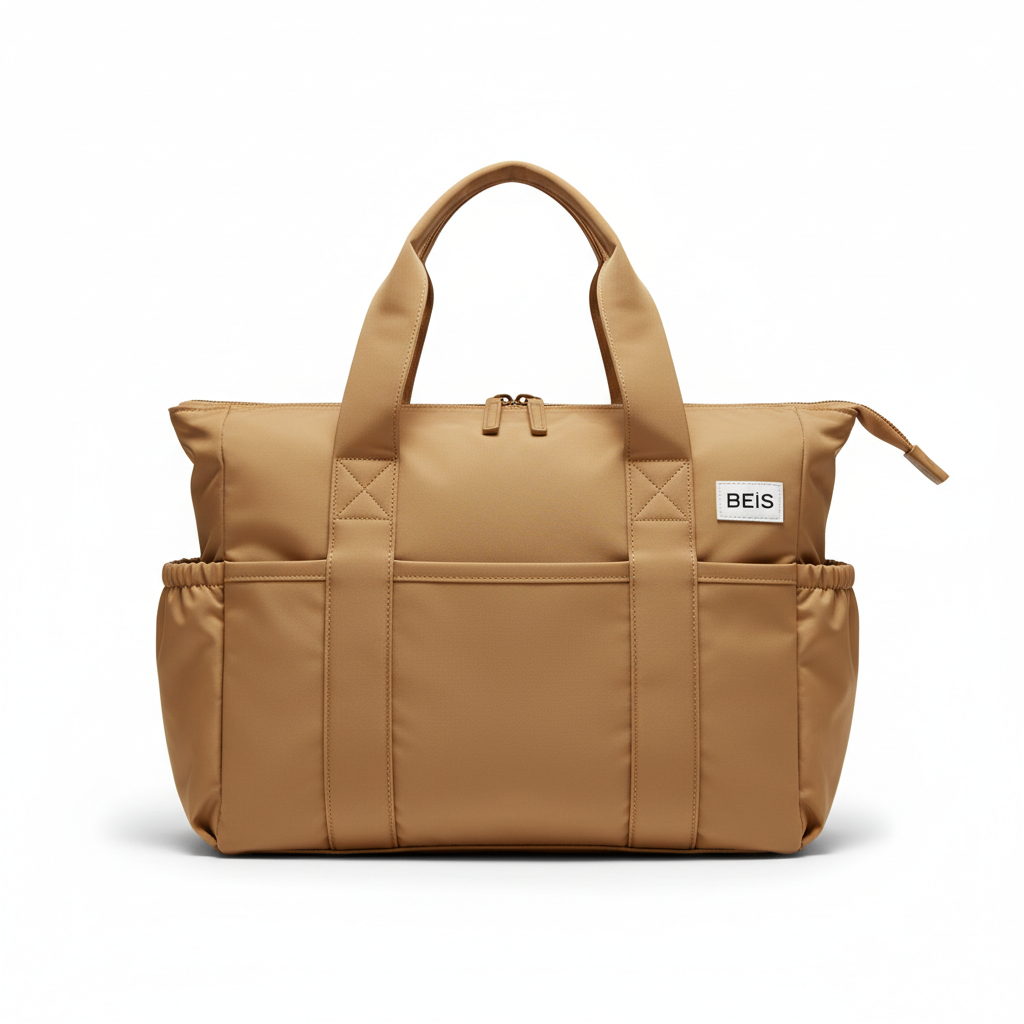
Béis
The Sport Tote
Béis makes travel gear that people genuinely love, and The Sport Tote brings that same obsessive practicality to the studio bag. A dedicated shoe pocket at the base keeps your ballet slippers separate from your clean clothes — a detail that tells you exactly who designed this. Padded handles, an internal organiser, and a zippered top complete a bag that thinks of everything.
- Dedicated base shoe pocket
- Zippered top closure
- Padded handles and internal organiser
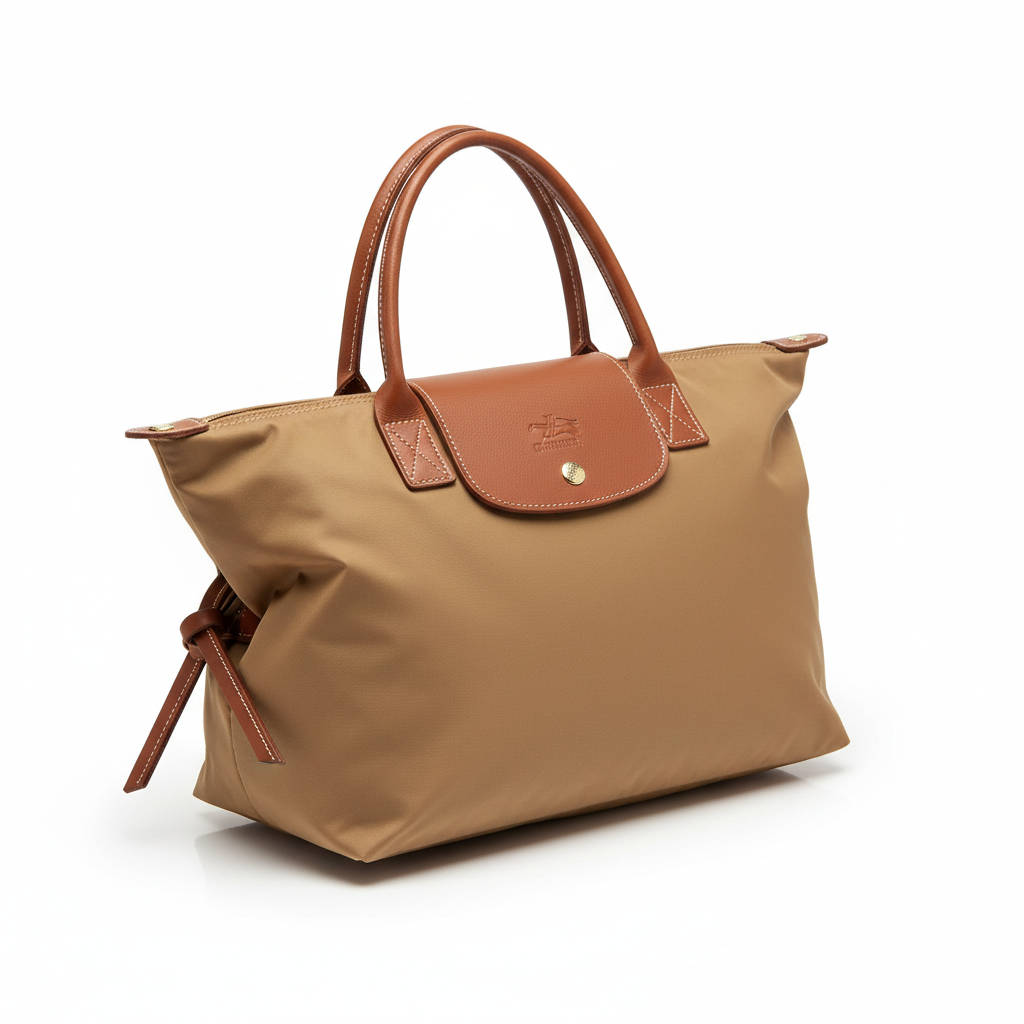
Longchamp
Le Pliage Original Large Tote
The Le Pliage has been on the shoulder of Parisian dancers since the nineties. Lightweight nylon with leather handles and a snap-flap closure — it folds flat when empty and expands generously when full. The large size comfortably holds ballet shoes, a skirt, toe pads, and a thermos. Timeless, affordable, and endlessly good-looking.
- Iconic French design since 1993
- Folds flat for travel
- Large size fits a full class kit
Ad Space
About
The Ballet Edit
The Ballet Edit is a publication dedicated to ballet culture, adult beginner dance education, movement, alignment, and the enduring style of the ballet world.
Written and edited by practitioners with professional dance experience on stage, film, and television, The Ballet Edit exists to inform, inspire, and welcome adults into the art form at every stage of their journey.