The Things Nobody Tells You
Every ballet studio has its own culture, and much of it is unspoken. Teachers rarely explain the floor etiquette before class begins - they assume it's been passed down, which it usually has been, except for adult beginners who are arriving without that background. Here's what you need to know.
Before You Even Get to the Barre
No street shoes on the dance floor. This is the most universal rule in any ballet studio. Whether the floor is Marley vinyl or sprung hardwood, street shoes are never worn on it. The oils, grit, and rubber from outdoor soles damage the surface and affect how dancers move across it. Change into your ballet slippers before you enter the studio space - not in the doorway, not mid-studio. Outside the door.
No food in the studio. Water is the exception (more on that shortly), but food of any kind - including snacks, gum, and coffee - stays outside. This is about the floor, the atmosphere, and the general discipline of the space.
Finding Your Spot at the Barre
The barre runs along the walls and sometimes through the centre of the studio. Where you stand matters more than you might expect.
Avoid the ends of the barre. The ends - particularly the end closest to the front mirror - are considered the leading positions. More experienced dancers gravitate there. As a beginner, position yourself in the middle section of the barre where you can watch others and receive corrections without feeling exposed.
Look before you stand. Some dancers hang a towel, water bottle, or bag on the barre to mark their regular spot. This is their place. Don't stand there. A quick scan before you settle will save an awkward moment.
Spacing matters. The general rule is a leg's length between you and the dancer on either side - enough that when you extend your leg to the side in a grand battement, you won't connect with anyone. If the class is full and that's not possible, aim for at least an arm's length. Standing too close to another dancer is uncomfortable for everyone and makes clean technique impossible.
Centre Work
Once you move away from the barre and into the centre of the studio, the spatial logic shifts.
Stand in the back line. As a beginner, the back of the room is your friend. You can watch the line in front of you, find your timing, and observe without the pressure of leading the group. The front line is for the more experienced dancers in the room.
Find your window. In a full centre, the person directly in front of you will block your view of the mirror. Look for a gap between the dancers ahead - your window - and position yourself so you can see your own reflection. This takes a little manoeuvring at first, but it becomes instinctive.
Across the Floor
When the class moves across the floor in travelling combinations, there is always an informal order.
Let the more experienced dancers go first. They set the tempo, demonstrate the spacing, and give the rest of the room a model to follow. As a beginner, wait, watch, and then go. You'll learn faster from observing a clean first pass than from leading the group through a combination you haven't fully absorbed yet.
Don't crowd the group in front of you. Leave enough space that you're not catching up to them mid-combination. If in doubt, wait an extra beat before you go.
Water
This one varies by studio, so it's worth checking when you arrive.
The traditional approach - still observed in many professional and pre-professional settings - is that dancers drink water only during designated breaks, not freely throughout class. The logic is partly about discipline and partly about the uninterrupted flow of the class.
Many adult beginner studios have relaxed this, and you'll see dancers quietly sipping between exercises at the barre. If you're unsure, observe what others do in your first class, or simply ask your teacher before it begins. Either way: if you do drink during class, do it quickly and discreetly between combinations, never while the teacher is demonstrating or correcting.
A Final Note
Most of these rules exist for practical reasons - safety, respect for the space, and the smooth running of a class with many bodies in it. Once you know them, they become invisible. And once they're invisible, you can focus entirely on the work.
That's the point of all of it.
The Edit's Selection
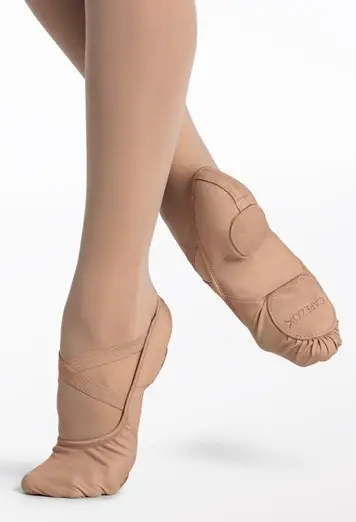
Capezio
Hanami Canvas Split-Sole
A perennial favourite among adult beginners and intermediate dancers for its lightness and beautiful arch profile.
- Lightweight
- Flattering line
- Breathable
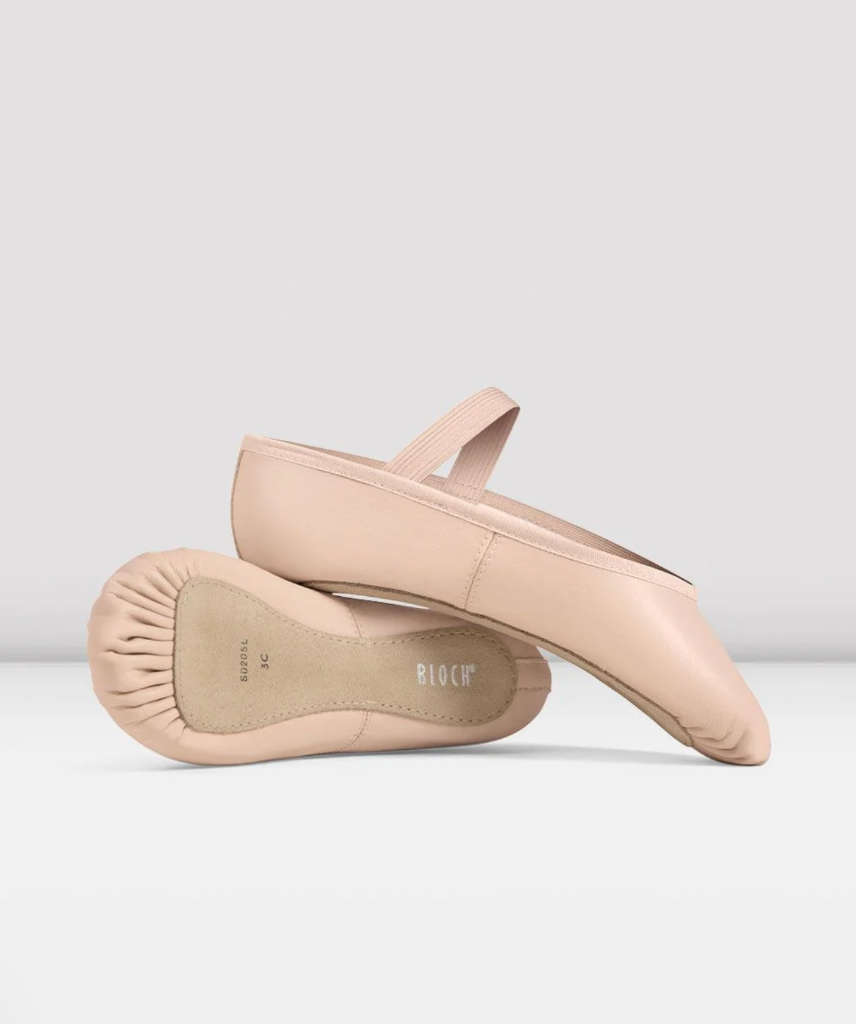
Bloch
Dansoft Full-Sole Ballet Slipper
The go-to recommendation for first-time ballet shoe buyers: forgiving, classic, and built to last a solid first year of classes.
- Supportive full sole
- Molds to the foot
- Classic leather
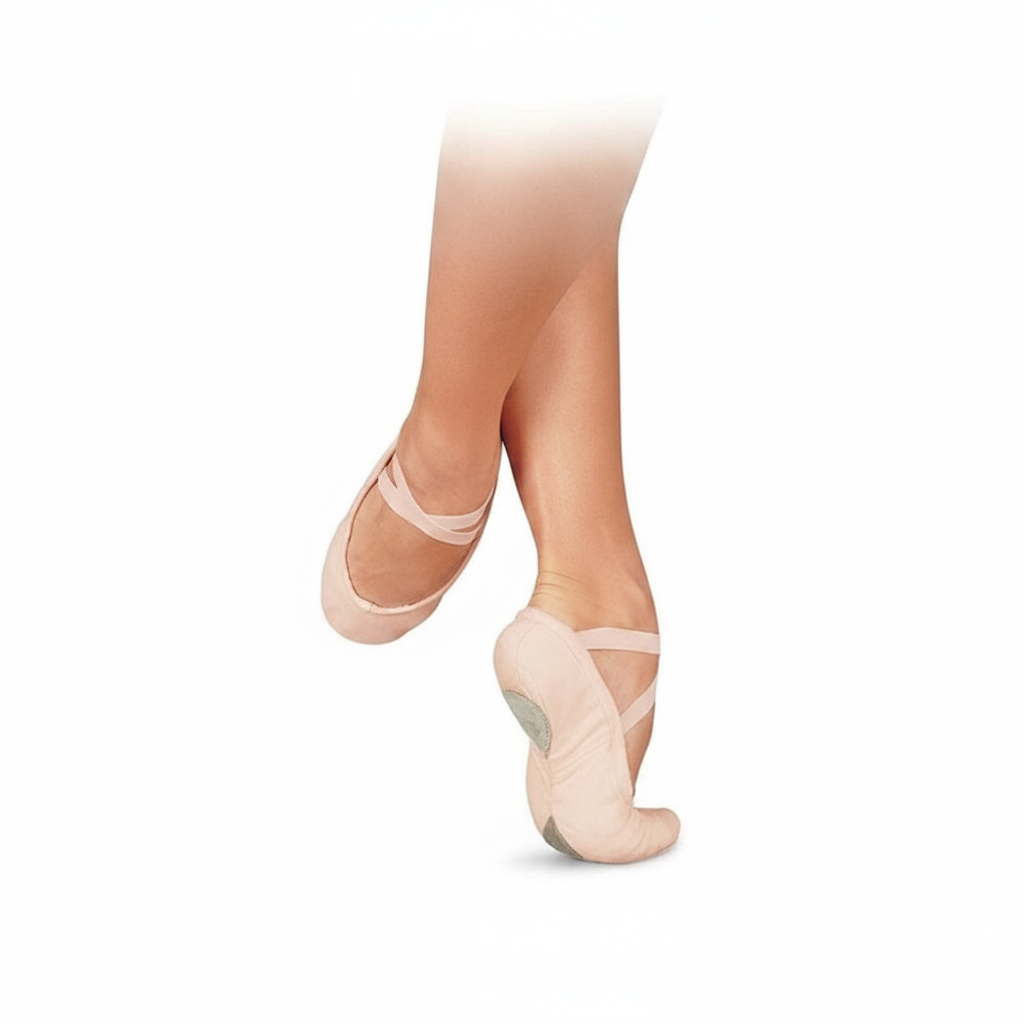
Sansha
Pro 1 Canvas Split-Sole
Quality at an honest price. Sansha's Pro 1 is a reliable first slipper that won't punish you for not yet knowing your preferences.
- Excellent value
- Durable
- Wide size range
Ad Space
About
The Ballet Edit
The Ballet Edit is a publication dedicated to ballet culture, adult beginner dance education, movement, alignment, and the enduring style of the ballet world.
Written and edited by practitioners with professional dance experience on stage, film, and television, The Ballet Edit exists to inform, inspire, and welcome adults into the art form at every stage of their journey.