The Most Beautiful Ballet Costumes Ever Created
A ballet costume is not clothing. It is architecture for the body in motion.
The greatest ballet costumes ever created do more than dress the dancer-they become inseparable from the choreography itself, transforming fabric, feathers, and jewels into pure poetry. From the imperial courts of Russia to the contemporary stages of Paris, these costumes have defined eras, inspired artists, and elevated ballet into a total work of art.
The Imperial Legacy: Sleeping Beauty
When The Sleeping Beauty premiered at the Mariinsky Theatre in 1890, it was not merely a ballet-it was a statement of imperial grandeur. Choreographed by Marius Petipa with music by Tchaikovsky, the production demanded costumes worthy of Versailles itself.
The original costumes, designed by Ivan Vsevolozhsky (who also served as Director of the Imperial Theatres), were extraordinary. Vsevolozhsky drew directly from 18th-century French court dress, creating tutus encrusted with pearls, sequins, and gold thread that caught the gaslight of the theater. The Rose Adagio-Princess Aurora's defining moment-required a costume that could withstand the most demanding variation in classical ballet while maintaining the illusion of weightless elegance.
The Fairy variations each demanded distinct palettes: the Lilac Fairy in deepest violet and silver, the Diamond Fairy in crystalline white, the Gold Fairy in shimmering metallics. These were not decorative choices but choreographic ones-the weight of the fabric, the placement of embellishments, all calculated to enhance rather than hinder movement.
Swan Lake: The White and Black Acts
No ballet costume is more iconic than the Swan Queen's tutu. But the evolution of Odette's costume tells a deeper story about ballet's artistic development.
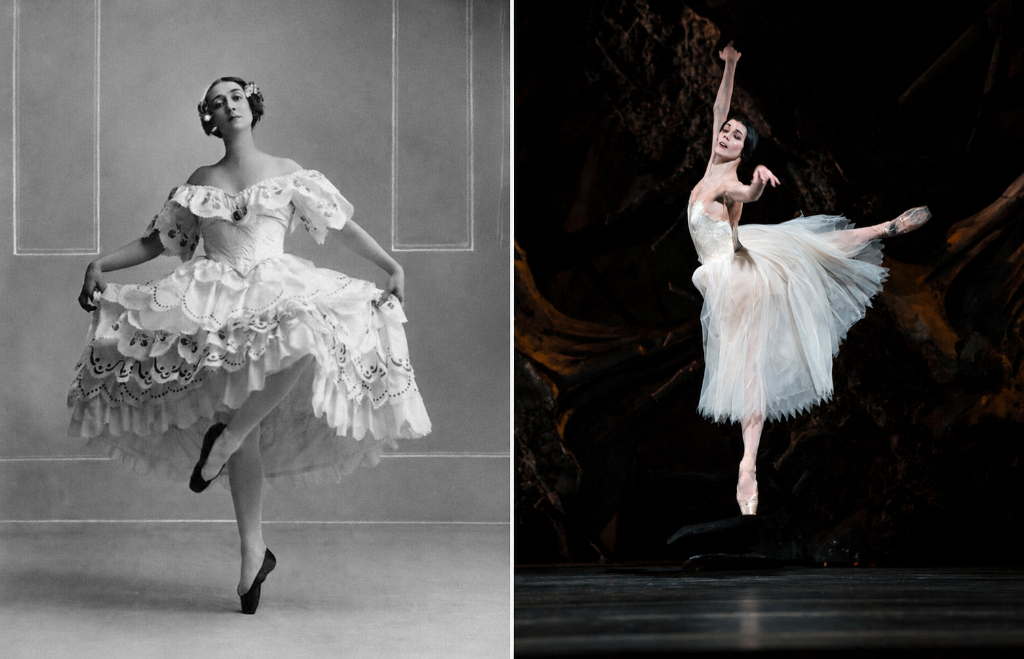
The original 1877 production of Swan Lake featured relatively simple white tutus for the swan maidens. It was the 1895 revival-choreographed by Petipa and Ivanov, with costumes again by Vsevolozhsky-that established the visual language we recognize today. The white act (Act II) demanded costumes that suggested feathers without literal representation: layers of white tulle, bodices embroidered with silver thread, headpieces with delicate plumes.
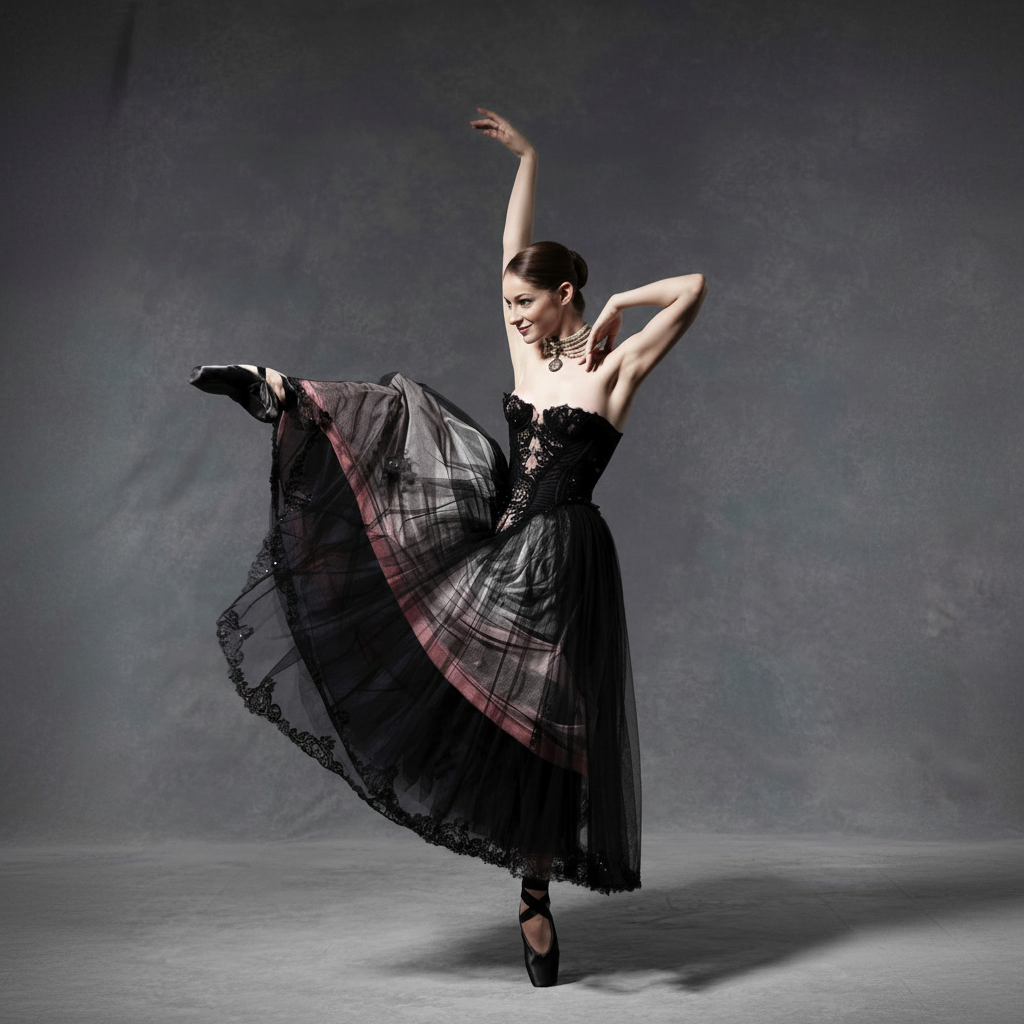
But it is the Black Act (Act III) that revolutionized ballet costume design. Odile's black tutu-shorter, stiffer, more dramatic than the romantic white tutu of her dual role-became the template for every villainess who followed. The contrast between the two acts, embodied in costume, elevated Swan Lake from fairy tale to psychological drama.
The Paris Opera Ballet: Couture on Stage
No institution has treated ballet costume as high art quite like the Paris Opera Ballet. Under the direction of designers like Christian Bérard, Yves Saint Laurent, and Karl Lagerfeld, the Paris Opera has commissioned costumes that belong as much in museums as on stage.
Christian Bérard's 1949 designs for Les Forains brought a painterly sensibility to ballet costume-loose, expressive lines that moved with unprecedented freedom. His work proved that costume could be both visually striking and choreographically liberated.
Yves Saint Laurent's 1972 designs for Le Spectre de la Rose were revelatory. He understood that the Rose's costume needed to suggest petals in motion-layers of pink silk that caught light and air with every leap. The costume became an extension of the choreography itself.
Degas and the Aesthetic of the Everyday
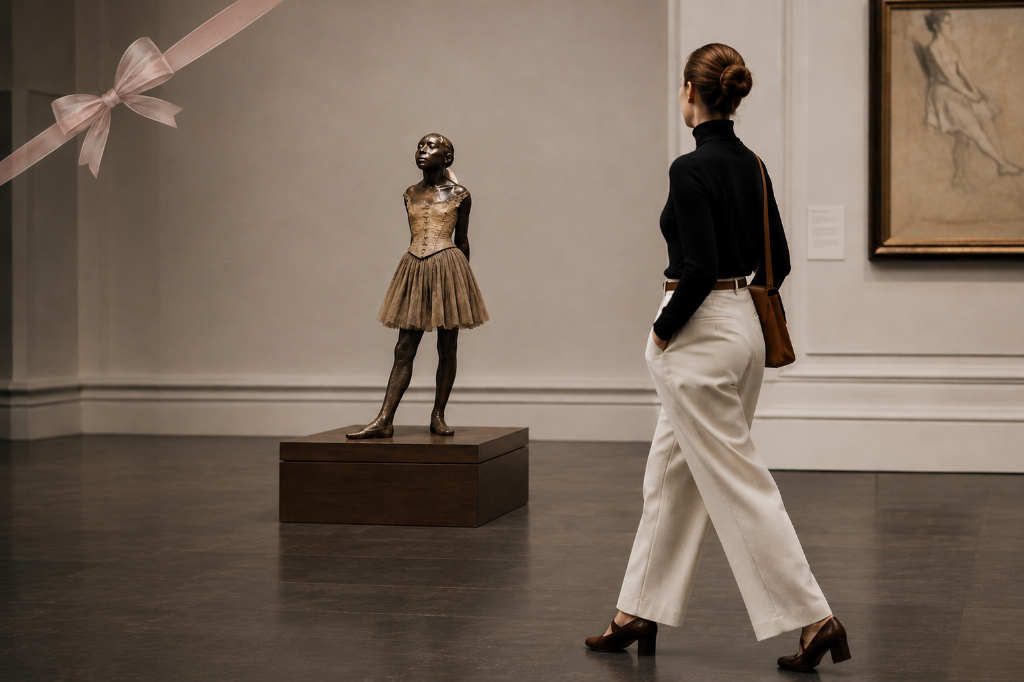
Edgar Degas never designed for the stage, yet no artist has influenced ballet costume aesthetics more profoundly. His paintings and sculptures of dancers-capturing them in rehearsal, in repose, in the mundane moments between performances-established a visual language that costume designers still reference today.
Degas understood something crucial: that the beauty of ballet costume lies not only in the grand tutus of principal dancers but in the simplicity of the corps de ballet. His work celebrates the white practice tutu, the simple bodice, the ribbon-tied slipper-the uniform of daily discipline.
This influence persists. Contemporary designers often reference Degas's palette-the soft pinks, powder blues, and ivory whites that suggest rehearsal rather than performance. There is honesty in this aesthetic, a recognition that ballet's beauty lives as much in preparation as in presentation.
Contemporary Costume Design: Breaking the Mold
The 21st century has seen ballet costume design explode beyond traditional constraints. Contemporary choreographers and designers are reimagining what ballet costume can be-sometimes abandoning the tutu entirely, sometimes deconstructing it, sometimes replacing it with something altogether unexpected.
At the Paris Opera Ballet, contemporary productions have featured costumes by fashion designers who bring fresh perspectives. Hussein Chalayan's minimalist approach, Rick Owens's avant-garde sensibility, and Iris van Herpen's 3D-printed innovations have all found their way onto the ballet stage.
The most successful contemporary designs share a crucial quality: they serve the choreography. A costume might be visually stunning, but if it restricts movement or distracts from the dance, it has failed. The best contemporary designers understand that ballet costume is functional art-beautiful because it enables beauty in motion.
The Craft Behind the Magic
What makes these costumes truly extraordinary is the craftsmanship behind them. A classical tutu can take 100+ hours to construct. The layers of tulle must be cut, gathered, and wired with mathematical precision. Embellishments-pearls, sequins, beads-are applied by hand, each placement considered for how it will catch light from the audience's perspective.
The Paris Opera Ballet maintains its own costume atelier, where artisans trained in techniques passed down through generations create and maintain these works of art. A single production may require dozens of costumes, each fitted to individual dancers, each adjusted for specific choreographic demands.
The Eternal Costume
The most beautiful ballet costumes ever created share a common quality: they are timeless. They do not belong to a single era or aesthetic but speak to something fundamental about ballet itself-the transformation of the human body into something transcendent through the marriage of movement, music, and visual art.
Whether encrusted with imperial jewels or stripped to essential lines, the greatest ballet costumes remind us that we are watching something extraordinary. They are not clothing. They are the visible poetry of an art form that has, for centuries, refused to compromise on beauty.
The Edit's Selection
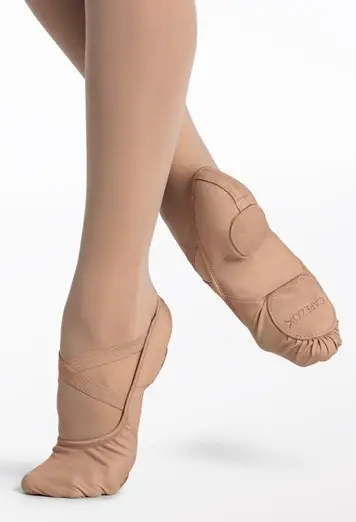
Capezio
Hanami Canvas Split-Sole
A perennial favourite among adult beginners and intermediate dancers for its lightness and beautiful arch profile.
- Lightweight
- Flattering line
- Breathable
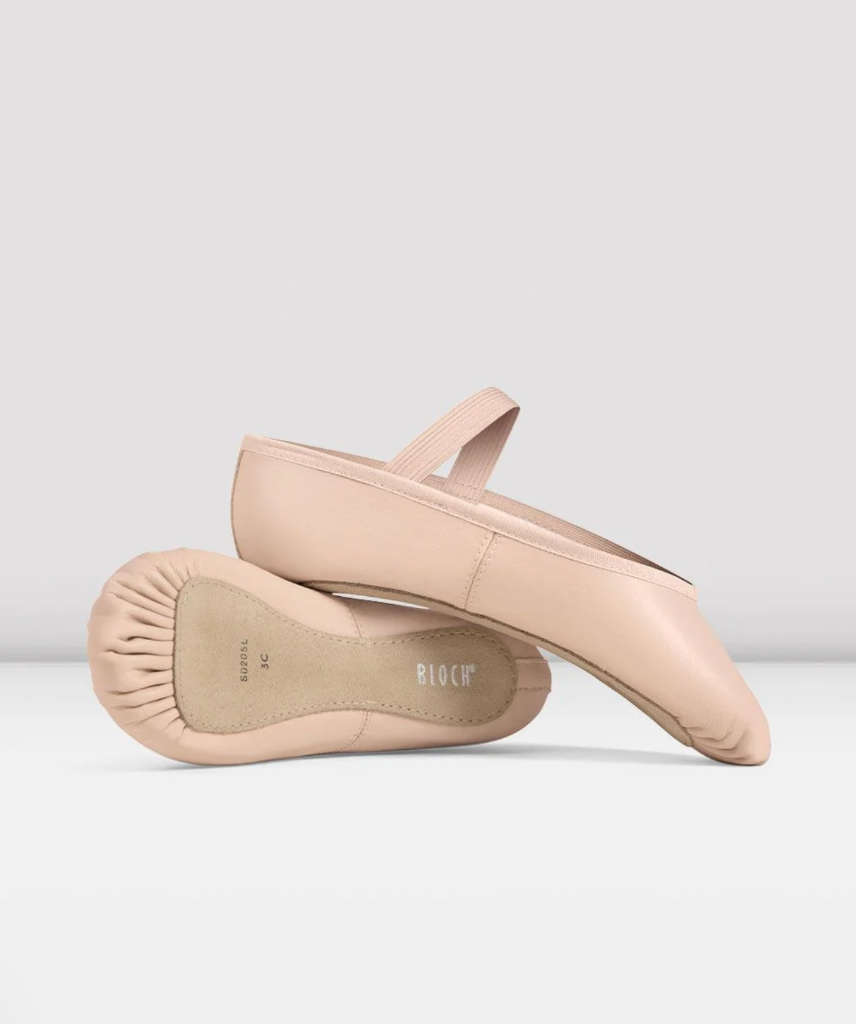
Bloch
Dansoft Full-Sole Ballet Slipper
The go-to recommendation for first-time ballet shoe buyers: forgiving, classic, and built to last a solid first year of classes.
- Supportive full sole
- Molds to the foot
- Classic leather
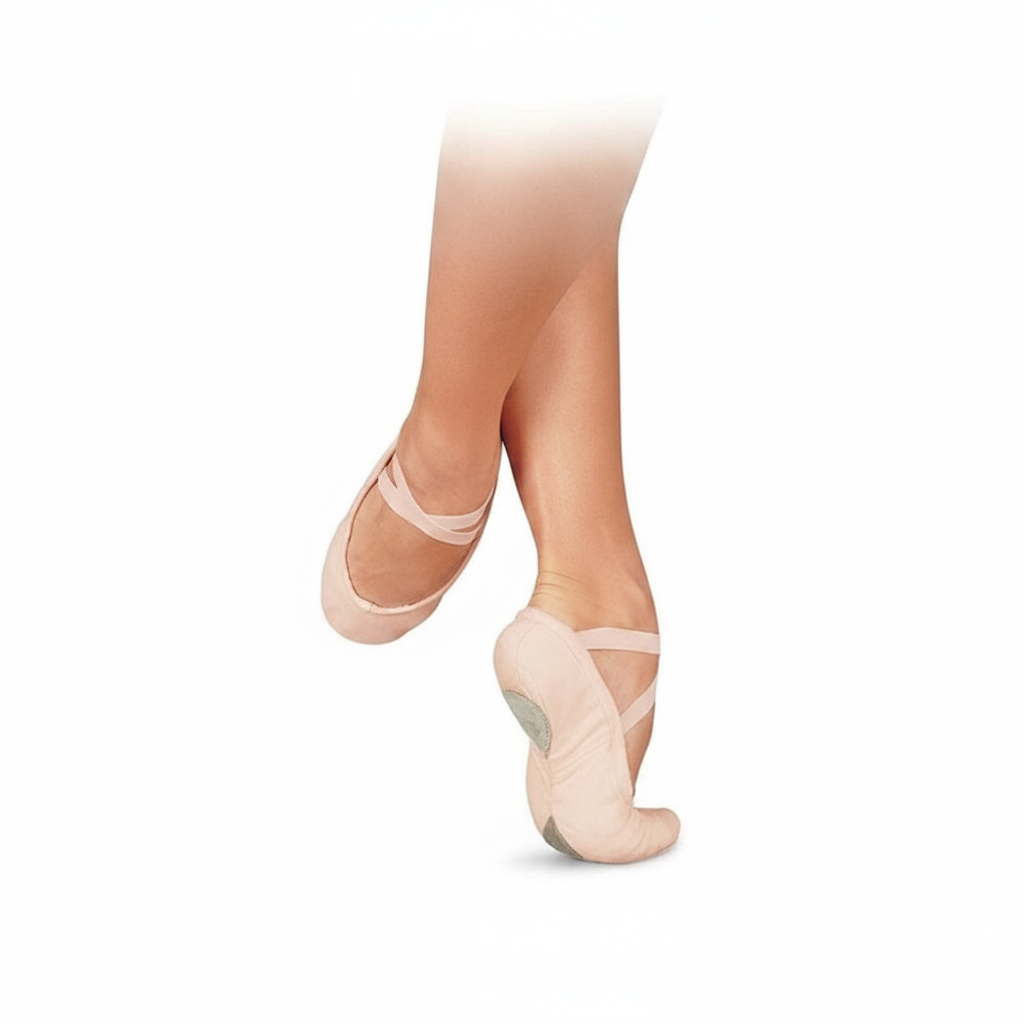
Sansha
Pro 1 Canvas Split-Sole
Quality at an honest price. Sansha's Pro 1 is a reliable first slipper that won't punish you for not yet knowing your preferences.
- Excellent value
- Durable
- Wide size range
Ad Space
About
The Ballet Edit
The Ballet Edit is a publication dedicated to ballet culture, adult beginner dance education, movement, alignment, and the enduring style of the ballet world.
Written and edited by practitioners with professional dance experience on stage, film, and television, The Ballet Edit exists to inform, inspire, and welcome adults into the art form at every stage of their journey.