Why Your Slippers Come Without Elastics
Most ballet slippers arrive unfinished - no elastics attached, no thread included. This isn't an oversight. Elastic placement is personal. Foot shape, arch height, and instep depth all affect where the elastic should sit for a secure, comfortable fit. The studio expects you to sew them yourself, or to have someone do it for you.
Done correctly, the elastic holds the shoe firmly to the foot through every relevé, tendu, and jump without restricting circulation or distorting the shoe's shape. Done incorrectly, the shoe slips, gaps, or bunches - and no amount of breaking-in will fix a badly sewn elastic.
What You'll Need
- Elastic (roughly 1.5–2cm wide; most dancewear shops sell pre-cut lengths)
- A hand-sewing needle
- Thread in a matching colour (usually pink for pink shoes)
- Scissors
- A pen or chalk marker
Finding the Right Placement
This is the most important step, and there's a standard method that works for almost every foot.
Fold the heel of the slipper down toward the insole. The crease that forms on the side of the shoe - where the heel folds forward - marks your starting point. This is where the edge of the elastic should be anchored.
Mark this point lightly with your pen on both sides of the shoe. The elastic runs across the top of the foot in a gentle diagonal, so the two anchor points will be at the same position on the inner and outer sides of the heel.
Before you sew, slip the shoe on and hold the elastic across your foot to confirm the tension feels right - snug but not tight. Adjust slightly if needed.
How to Sew
This is where many beginners make their biggest mistake: the stitching must not go through to the outside of the shoe.
Canvas slippers are forgiving - the needle passes through the canvas lining on the inside without difficulty. Leather slippers require more care: you are sewing through the leather lining and canvas inner lining only, not through the outer leather. Catching the outer layer will leave visible holes and can compromise the shoe's structure.
Use small, firm overcast stitches (also called whip stitches) around all four edges of the elastic end - top, bottom, and both sides. Around 8–10 stitches per edge is sufficient. Pull each stitch taut but don't yank; you want the elastic held securely, not the fabric puckered.
Repeat on the other end of the elastic, then move to the second shoe.
"Sew the elastic, not the leather. The stitches live inside the shoe. Nothing should be visible from the outside."
A Note on Thread
Use a strong thread - buttonhole thread or doubled regular thread both work well. Don't use a single strand of standard sewing thread; it will break within a few weeks of regular class use.
The Finished Result
When both elastics are sewn, put the shoes on and do a few relevés and demi-pliés. The elastic should hold the shoe firmly against your foot with no slipping at the heel and no gaping at the sides. If the shoe lifts away from the heel, re-examine the placement; if the elastic digs in, you may need a wider elastic or a slightly different angle.
This is one of those small rituals that marks the beginning of real studio practice. Take your time with it - a well-prepared shoe is one less thing to think about once class begins.
The Edit's Selection
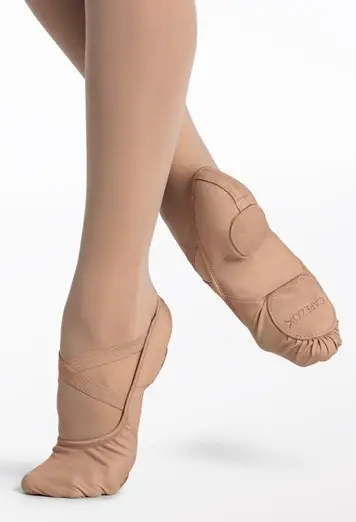
Capezio
Hanami Canvas Split-Sole
A perennial favourite among adult beginners and intermediate dancers for its lightness and beautiful arch profile.
- Lightweight
- Flattering line
- Breathable
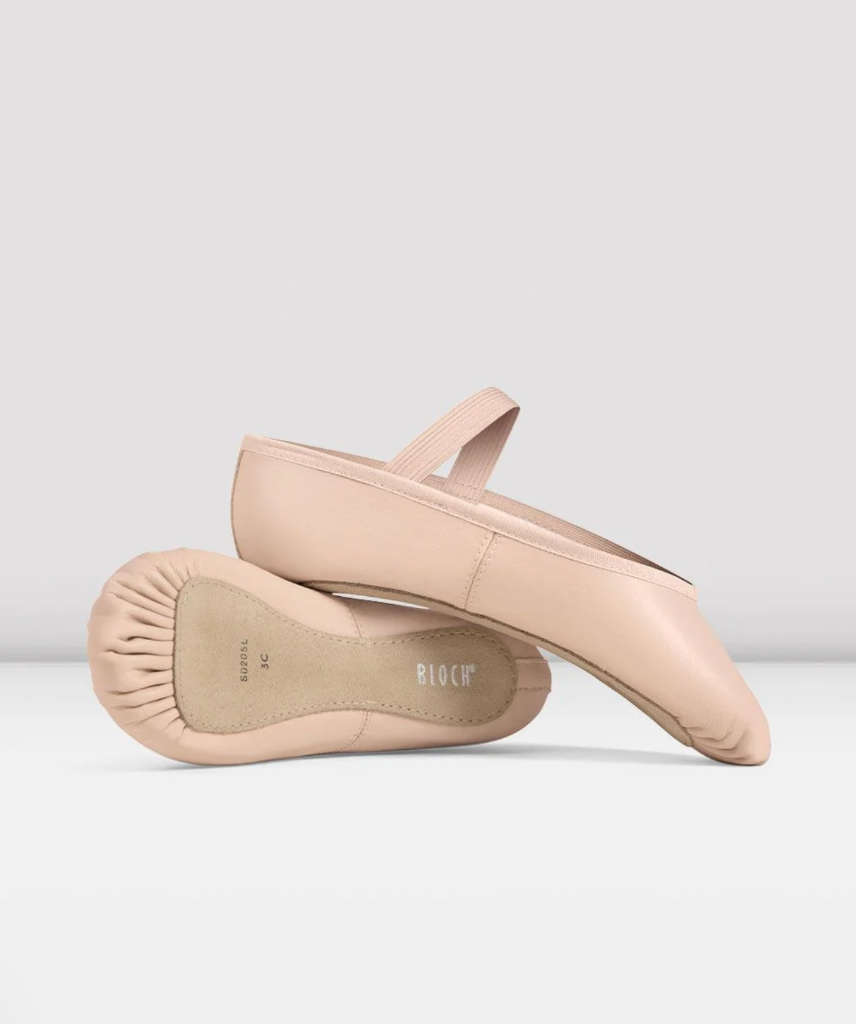
Bloch
Dansoft Full-Sole Ballet Slipper
The go-to recommendation for first-time ballet shoe buyers: forgiving, classic, and built to last a solid first year of classes.
- Supportive full sole
- Molds to the foot
- Classic leather
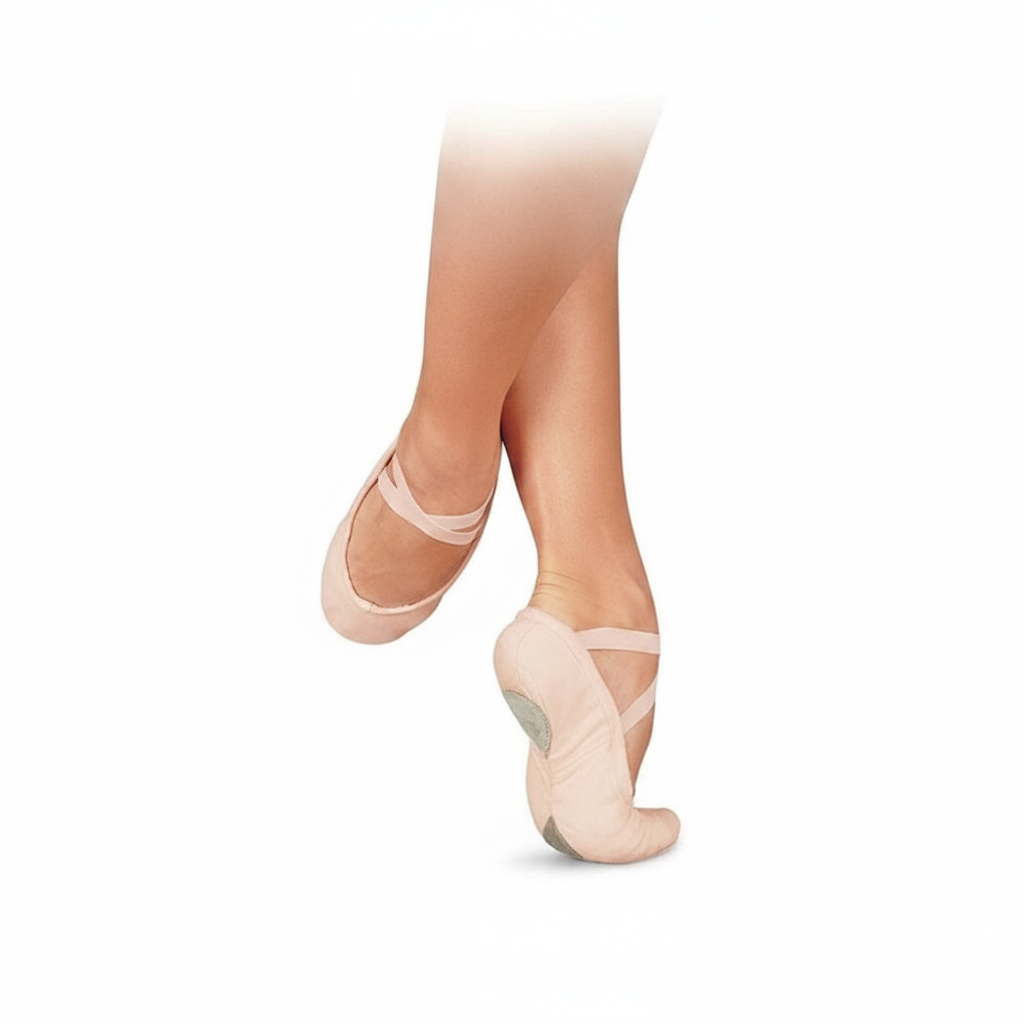
Sansha
Pro 1 Canvas Split-Sole
Quality at an honest price. Sansha's Pro 1 is a reliable first slipper that won't punish you for not yet knowing your preferences.
- Excellent value
- Durable
- Wide size range
Ad Space
About
The Ballet Edit
The Ballet Edit is a publication dedicated to ballet culture, adult beginner dance education, movement, alignment, and the enduring style of the ballet world.
Written and edited by practitioners with professional dance experience on stage, film, and television, The Ballet Edit exists to inform, inspire, and welcome adults into the art form at every stage of their journey.