The Skirt That Shocked Paris
In 1832, when Marie Taglioni first danced La Sylphide at the Paris Opéra, audiences were not prepared for what they saw.
Not the flying. Not the poetry. Not even the supernatural story of a spirit who loves a mortal man.
They were shocked by her ankles.
Taglioni wore a skirt that ended below the knee - scandalously short for the time. The audience could see her legs. Her feet. The work of her calves. This was not modest. This was not proper. This was, by every standard of 1830s morality, indecent.
It was also the birth of the tutu.
Before the Tutu: The Floor-Length Era
Ballet did not begin with short skirts. For its first two centuries, ballet costumes were essentially formal wear adapted for movement:
- Heavy fabrics that weighed down the dancer
- Floor-length skirts that hid the feet
- Corseted bodices that restricted the torso
- Elaborate hairstyles and decorations that had nothing to do with dance
The focus was on spectacle, not technique. Dancers were meant to look like courtiers, not athletes. The feet - now the foundation of everything - were barely visible.
Then came the Romantic era.
Romantic Ballet and the First Rebellion
The early 1800s brought a revolution in ballet aesthetics. The Romantic movement in art and literature emphasized emotion, nature, and the supernatural. Ballet followed suit.
La Sylphide (1832) was the first Romantic ballet - a story of spirits, forests, and impossible love. Taglioni's costume reflected this new aesthetic:
- A white muslin skirt, lighter than anything before
- A length that showed the calf and ankle
- A freedom of movement that had never existed
The skirt was still long by modern standards - ending somewhere between the knee and mid-calf - but it was radical for its time. Critics wrote about it. Moralistss condemned it. Audiences could not look away.
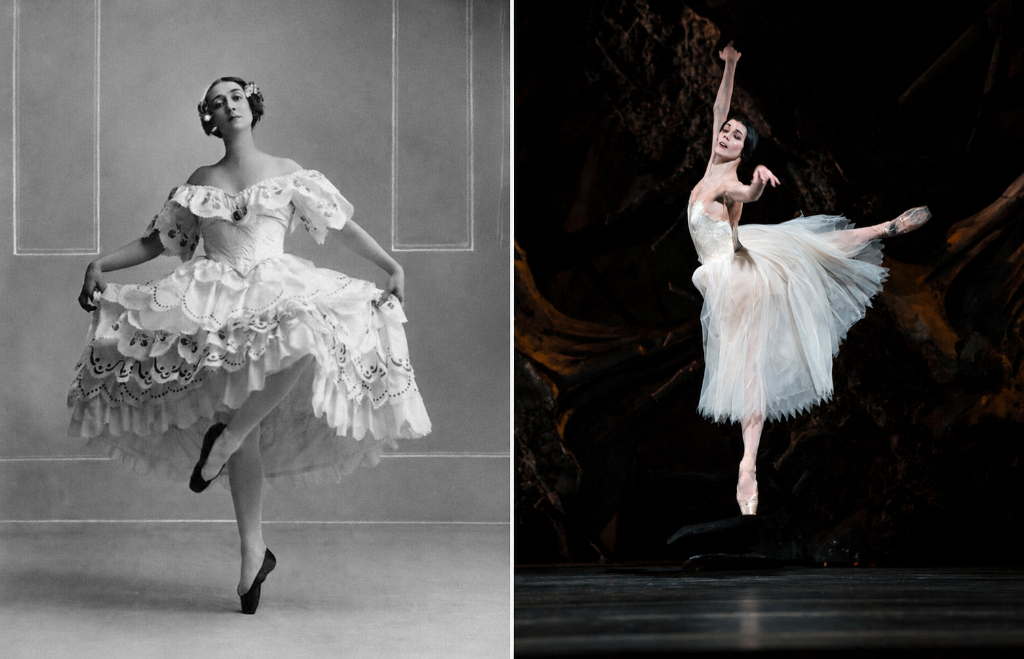
This costume became known as the Romantic tutu - a long, bell-shaped skirt of tulle or muslin that floats around the dancer's legs. It is still used today for works like Giselle and La Sylphide, where the ethereal quality is essential to the character.
The Gradual Rise
Once ankles became acceptable, the skirt began its slow ascent.
The 1840s-1860s: Skirts rose from mid-calf to just below the knee. The focus shifted higher up the leg. Dancers began to show more of their technique - the bend of the knee, the extension of the foot.
The 1870s: The skirt rose to the knee itself. This was the era of the ballerina as star - dancers like Carolina Rosati and Adeline Genée became celebrities, and their legs were part of the spectacle.
The 1880s-1890s: The skirt rose above the knee. By now, the Romantic tutu was being replaced by something shorter, stiffer, and more structured.
Each inch was a battle. Each rise was debated in newspapers, criticized by moralists, and defended by choreographers who needed to see the dancers' work.
The Birth of the Classical Tutu
The classical tutu - the short, stiff, horizontal skirt we associate with ballet today - emerged in the late 1800s.
Why did it happen?
-
Technical demands increased. As ballet technique became more complex, choreographers needed to see the legs and feet clearly. A long skirt hid the work.
-
Gas lighting improved. Theaters could now illuminate the stage more effectively, making it possible to appreciate detail in the dancers' technique.
-
The ballerina became the star. The focus shifted from ensemble spectacle to individual virtuosity. The audience came to see her - her legs, her feet, her artistry.
-
Fabric technology advanced. Stiffened tulle could now hold its shape without weighing the dancer down.
The first classical tutus appeared in works like The Sleeping Beauty (1890) and Swan Lake (1895). They were still somewhat long by today's standards - ending mid-thigh rather than at the hip - but the direction was clear.
The Tutu Becomes Icon
By the early 1900s, the classical tutu was established as the standard costume for female ballet dancers in technical works.
What changed:
- The skirt became shorter
- The tulle became stiffer (layers of starched netting)
- The bodice became more fitted
- The overall effect was one of lightness and line
The tutu was no longer scandalous. It was expected. It was traditional. It was ballet.
Two Tutus, Two Purposes
Today, ballet uses two distinct types of tutu, each serving a different artistic function:
The Romantic Tutu
- Length: Mid-calf to below the knee
- Fabric: Soft tulle or muslin
- Shape: Bell-shaped, flowing
- Used for: Ethereal, supernatural characters (sylphs, wilis, spirits)
- Famous examples: Giselle (Act II), La Sylphide, Les Sylphides
The Classical Tutu
- Length: Hip-level, above mid-thigh
- Fabric: Stiffened tulle (multiple layers)
- Shape: Horizontal, plate-like
- Used for: Technical virtuosity, principal variations, corps de ballet precision
- Famous examples: Swan Lake, The Sleeping Beauty, The Nutcracker
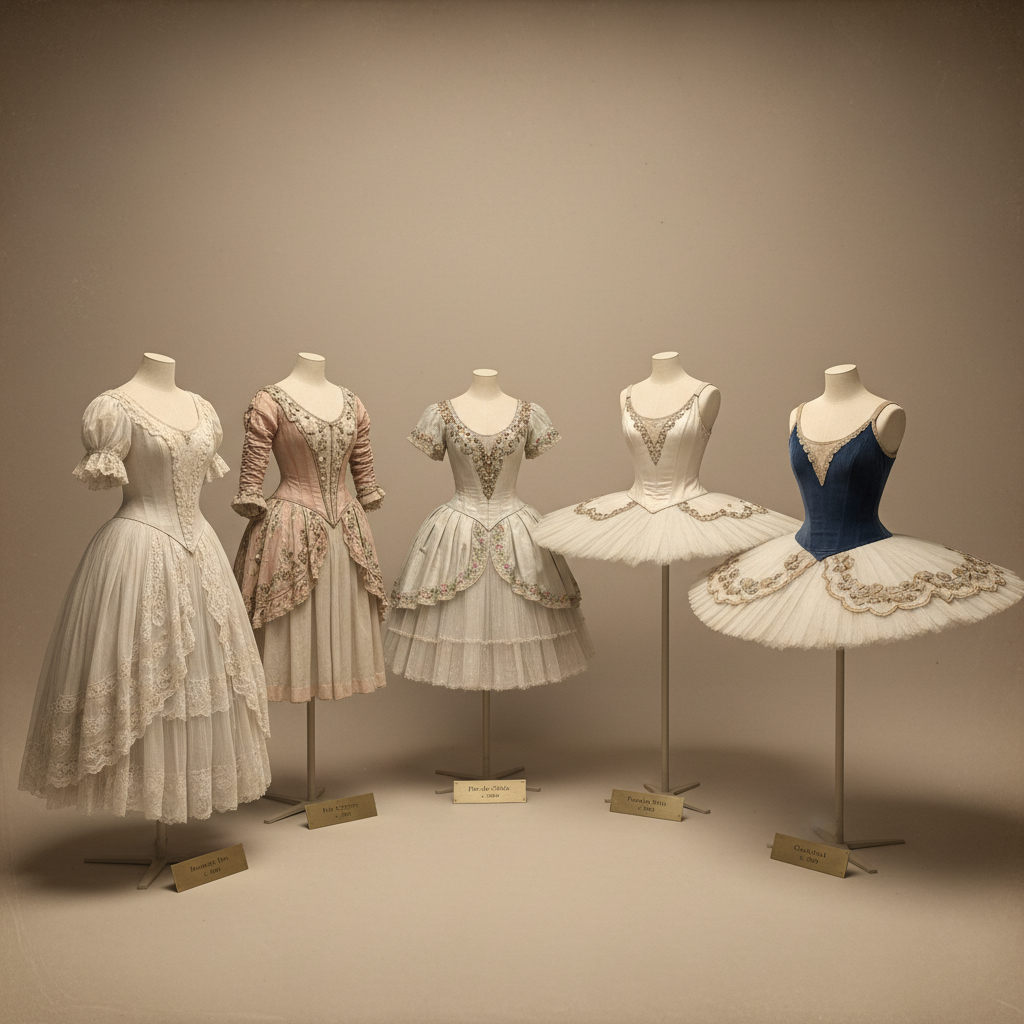
The classical tutu itself has variations:
- Pancake tutu: Flat, horizontal, stiff - the most extreme version
- Platter tutu: Similar to pancake but slightly softer
- Bell tutu: Softer, falling slightly downward - a hybrid between romantic and classical
- Powder-puff tutu: Short, soft, and fluffy - often used for character dances
The Scandal We Forgot
It is strange to think that showing an ankle was once shocking. That a skirt ending at the knee was considered indecent. That moralists wrote essays about the corruption of public dance.
But every revolution begins somewhere. The tutu's rise - inch by inch, decade by decade - was one of the quiet rebellions that changed how we see the human body in motion.
What began as scandal became tradition. What was once indecent is now iconic.
The Truth
The tutu is not just a costume. It is a statement about what ballet values:
- The leg is not something to hide. It is something to celebrate.
- The foot is not something to obscure. It is something to see.
- The dancer is not a courtier in heavy fabric. She is an athlete in motion.
When Marie Taglioni first showed her ankle in 1832, she did not know she was starting a revolution. She was just dancing.
But the skirt rose. The legs appeared. The technique became visible.
And ballet - the art form itself - changed forever.
What to Notice Next Time
When you watch ballet now, look at the tutus:
- Is it a Romantic tutu? The character is likely supernatural, ethereal, otherworldly.
- Is it a classical tutu? The focus is on technique, precision, virtuosity.
- How does the costume affect what you see? What does it hide? What does it reveal?
The tutu is not neutral. It is a choice. It is a history. It is the record of a battle fought in inches - and won, one ankle at a time.
The Edit's Selection
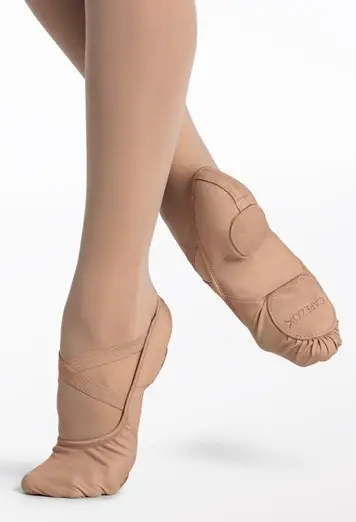
Capezio
Hanami Canvas Split-Sole
A perennial favourite among adult beginners and intermediate dancers for its lightness and beautiful arch profile.
- Lightweight
- Flattering line
- Breathable
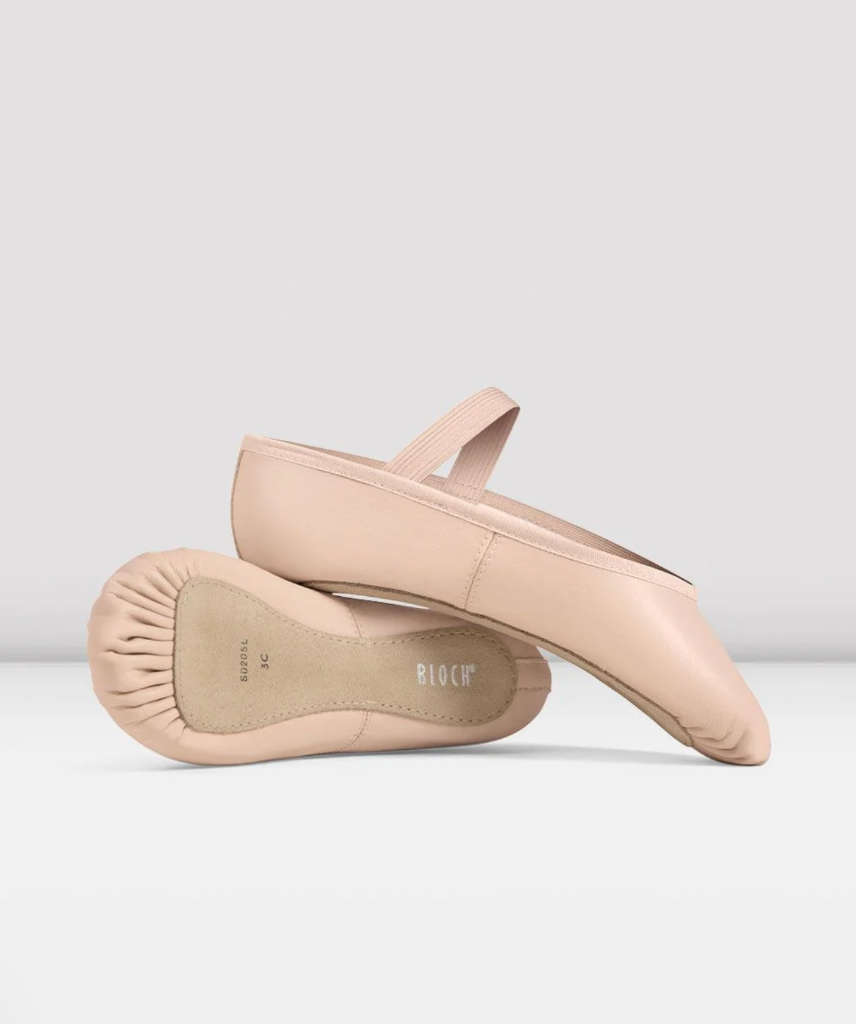
Bloch
Dansoft Full-Sole Ballet Slipper
The go-to recommendation for first-time ballet shoe buyers: forgiving, classic, and built to last a solid first year of classes.
- Supportive full sole
- Molds to the foot
- Classic leather
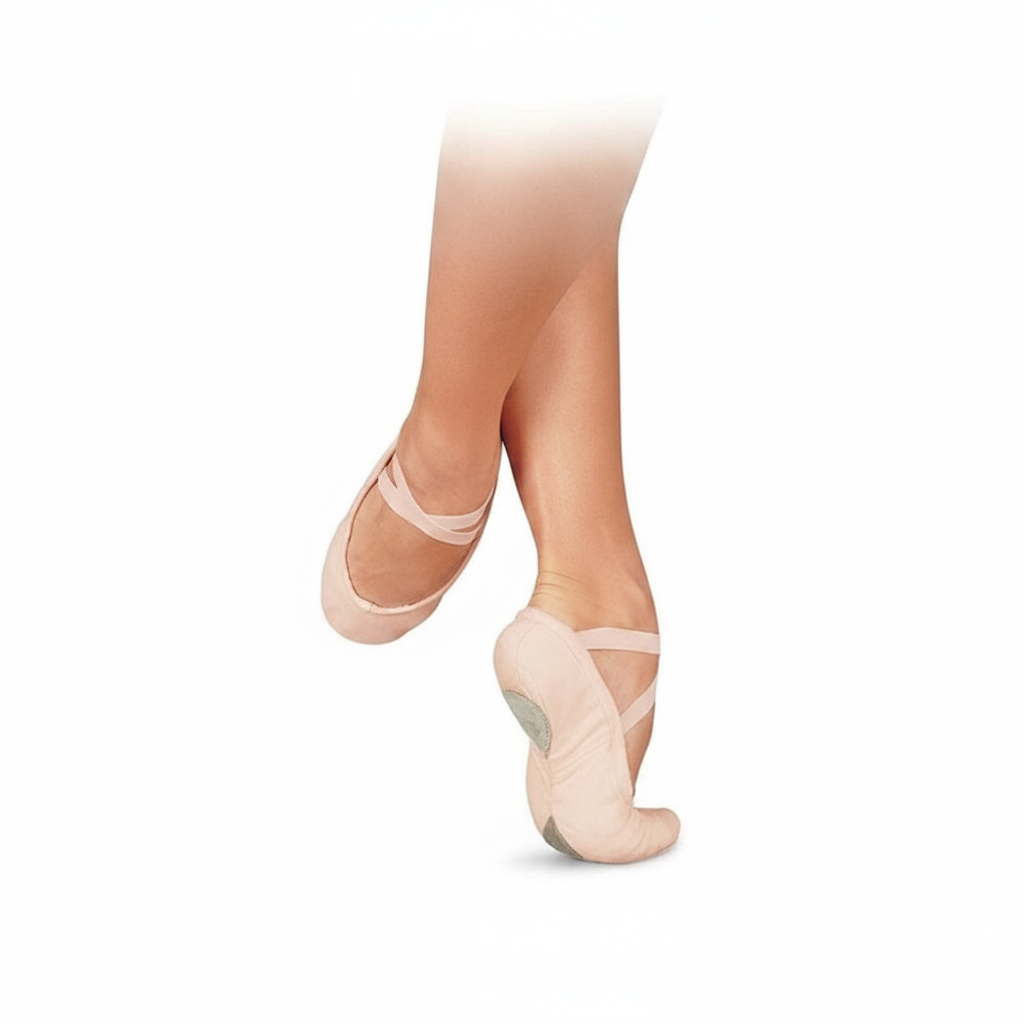
Sansha
Pro 1 Canvas Split-Sole
Quality at an honest price. Sansha's Pro 1 is a reliable first slipper that won't punish you for not yet knowing your preferences.
- Excellent value
- Durable
- Wide size range
Ad Space
About
The Ballet Edit
The Ballet Edit is a publication dedicated to ballet culture, adult beginner dance education, movement, alignment, and the enduring style of the ballet world.
Written and edited by practitioners with professional dance experience on stage, film, and television, The Ballet Edit exists to inform, inspire, and welcome adults into the art form at every stage of their journey.