The Alphabet of Ballet
Before there are pirouettes, before there are grand jetés, before there is anything that looks like dance at all - there are the five positions.
These five shapes of the feet are the alphabet of ballet. Every step, every combination, every variation you will ever learn is built from them. They are where you begin, where you return, and where you find your stability when everything else feels uncertain.
If you take nothing else from your first class, take this: learn the positions. Rest in them. Trust them.
First Position
Heels together, toes turned out.
Stand tall. Bring your heels to touch. Let your feet open outward in a straight line - toes pointing to the corners of the room, not to the ceiling. Your weight should be even across both feet: not on the balls, not on the heels, but distributed through the whole foot.
This is home.
In first position, you learn what turnout means. It comes from the hips, not the knees or ankles. If your knees hurt, close your turnout slightly. If your feet ache, check that you're not rolling inward. Comfort is not the goal, but pain is not the badge of honor.
First position is where you begin every barre. It is where you pause between combinations. It is where you find your breath.
Second Position
Feet apart, still turned out.
From first position, slide one foot to the side - about hip-width apart, or the length of your own foot between your heels. Both feet remain turned out. Both heels face forward. Your weight stays centered.
Second position is stability. It is the position of confidence. When a dancer stands in second, they are grounded - ready to move in any direction, but not committed to any.
At the barre, second position teaches you to work each leg independently while keeping your hips level. In center work, it becomes a place of transition and balance.
Third Position
One foot in front, heel to the middle of the other foot.
From first position, slide one foot forward so that its heel meets the arch of the standing foot. Both feet remain turned out. The front foot covers roughly half of the back foot.
Third position is less commonly used in advanced ballet - it has largely been replaced by fifth position - but it remains essential for beginners. It teaches you what it feels like to close your feet without the precision that fifth demands.
Think of third as a stepping stone. It prepares you for the full closure of fifth without asking for it all at once.
Fourth Position
One foot in front of the other, with space between.
From third position, slide the front foot forward - about the length of your own foot - so that there is now space between the feet. The heel of the front foot aligns roughly with the toes of the back foot. Both feet remain turned out.
Fourth position is the position of preparation. It is where you stand before a pirouette. It is where you gather yourself before jumping. It teaches you to balance on two feet that are not side-by-side - a skill that translates directly to dancing.
There are two versions: crossed fourth (the standard version described above) and open fourth (where the feet are separated sideways as well as forward and back). You will learn both.
Fifth Position
Heel to toe, toe to heel - fully closed.
From fourth position, close the front foot back so that the heel of the front foot touches the toes of the back foot, and the toes of the front foot align with the heel of the back foot. The feet are fully crossed, fully turned out, fully connected.
Fifth position is the most demanding. It requires turnout, precision, and strength. It is also the most rewarding - because when you stand in a true fifth, you feel it: the legs are one line, the body is unified, and you are ready to move in any direction with power.
Advanced ballet lives in fifth position. Nearly every jump, turn, and adagio combination begins and ends here. Master it, and you have mastered the foundation of classical technique.
The Truth About Turnout
Every position requires turnout - the external rotation of the legs from the hips. But here is what teachers wish beginners understood sooner:
Turnout is not a number. It is a quality.
A dancer with 90 degrees of honest, hip-driven turnout will always look better than a dancer forcing 180 degrees from the knees and ankles. Your turnout is yours. It is determined by your anatomy. Work with it, not against it.
Signs you are forcing turnout:
- Knees that hurt or hyperextend
- Ankles that roll inward
- Feet that collapse at the arch
- Hips that shift or tilt
Signs your turnout is honest:
- Knees tracking over toes
- Weight evenly distributed
- Hips level and stable
- Movement that feels connected, not strained
How to Practice
You do not need a studio to learn the positions. You need five minutes and a floor.
Daily practice:
- Stand in first position. Feel your feet. Breathe. Close your eyes if it helps you feel your balance.
- Slide to second. Check that your hips are level. Return to first.
- Step to third. Feel the closure. Return to first.
- Open to fourth. Feel the space. Return to first.
- Close to fifth. Feel the connection. Return to first.
Repeat. Slowly. Without music. Let your body learn the shapes before you ask it to dance them.
The Beginning
The five positions are not a test. They are a language.
You will spend your entire ballet life learning to speak it fluently. Some days the words will come easily. Some days you will forget how to form them.
This is normal.
What matters is that you return to the positions. Again and again. They are the ground beneath your feet - literally and figuratively.
Stand in first. Breathe. Begin.
The Edit's Selection
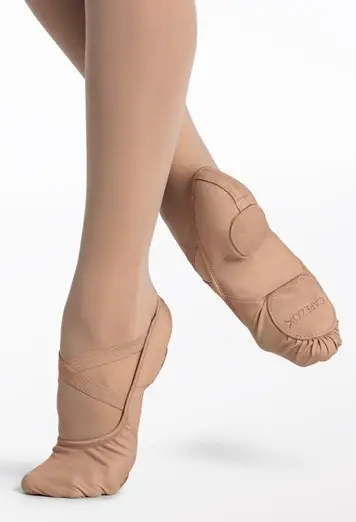
Capezio
Hanami Canvas Split-Sole
A perennial favourite among adult beginners and intermediate dancers for its lightness and beautiful arch profile.
- Lightweight
- Flattering line
- Breathable
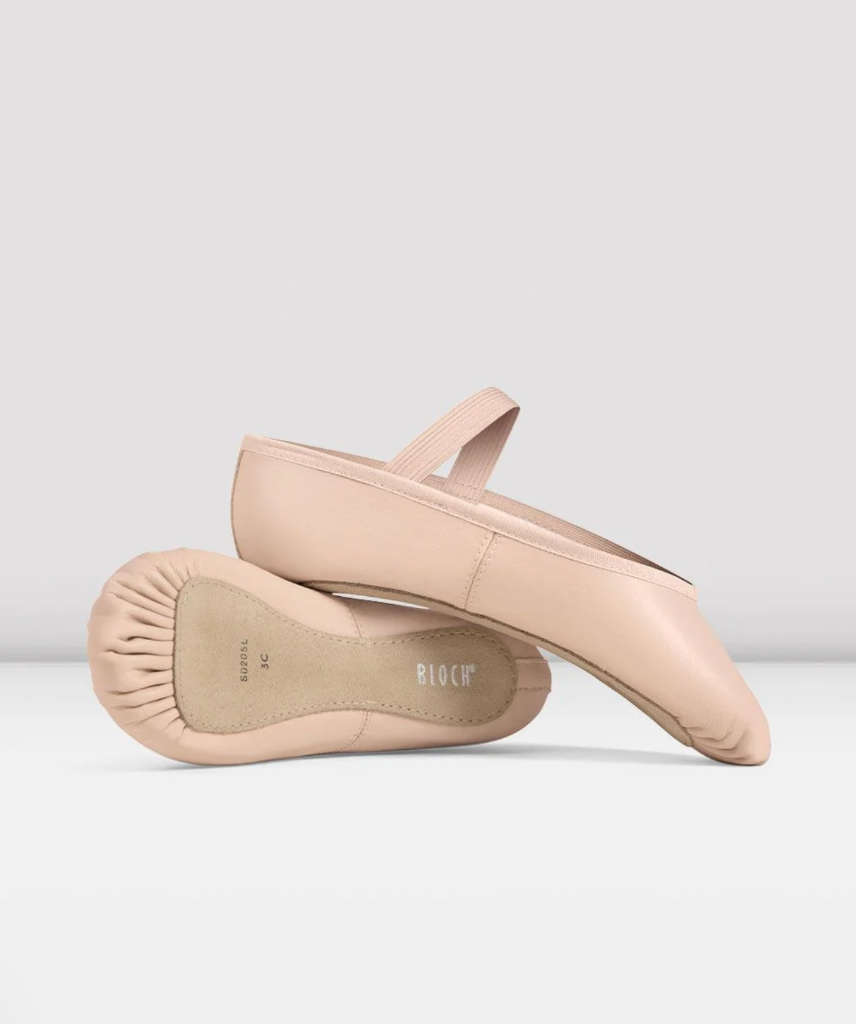
Bloch
Dansoft Full-Sole Ballet Slipper
The go-to recommendation for first-time ballet shoe buyers: forgiving, classic, and built to last a solid first year of classes.
- Supportive full sole
- Molds to the foot
- Classic leather
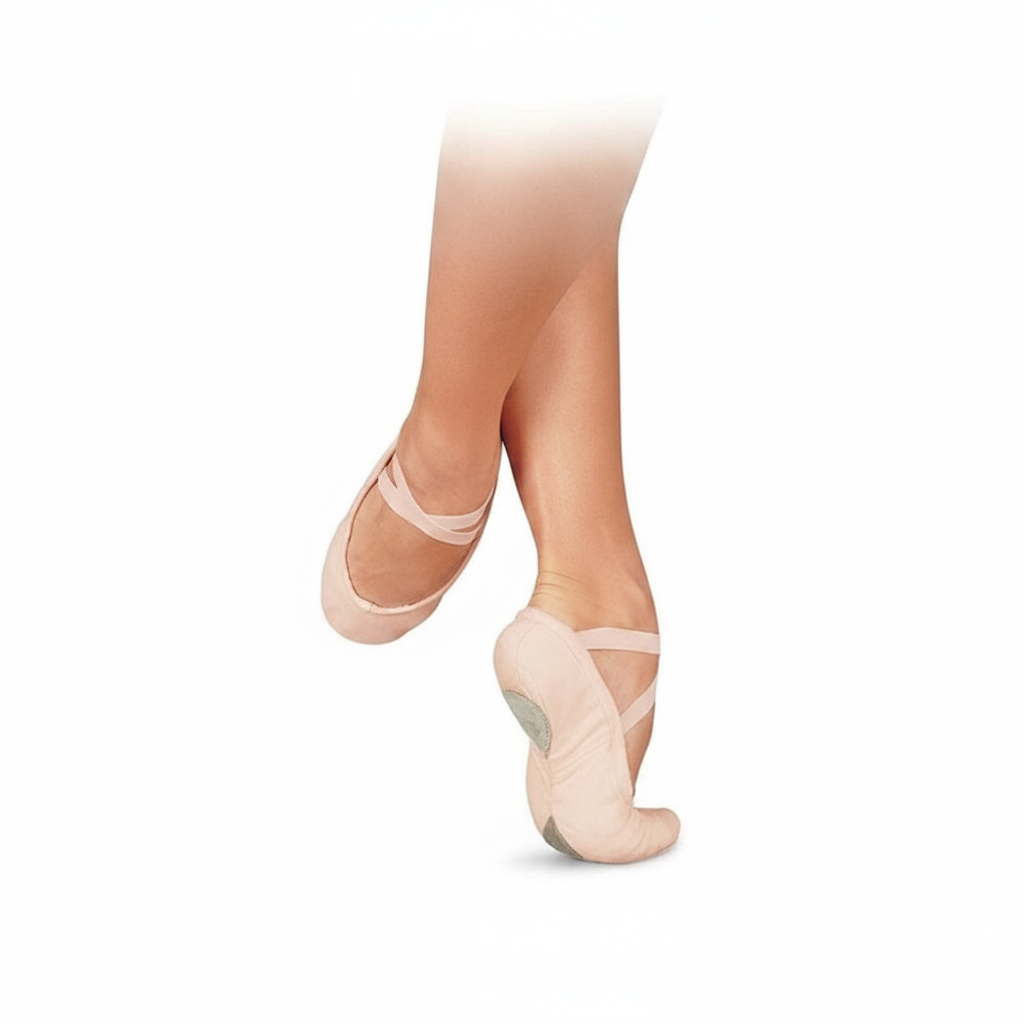
Sansha
Pro 1 Canvas Split-Sole
Quality at an honest price. Sansha's Pro 1 is a reliable first slipper that won't punish you for not yet knowing your preferences.
- Excellent value
- Durable
- Wide size range
Ad Space
About
The Ballet Edit
The Ballet Edit is a publication dedicated to ballet culture, adult beginner dance education, movement, alignment, and the enduring style of the ballet world.
Written and edited by practitioners with professional dance experience on stage, film, and television, The Ballet Edit exists to inform, inspire, and welcome adults into the art form at every stage of their journey.