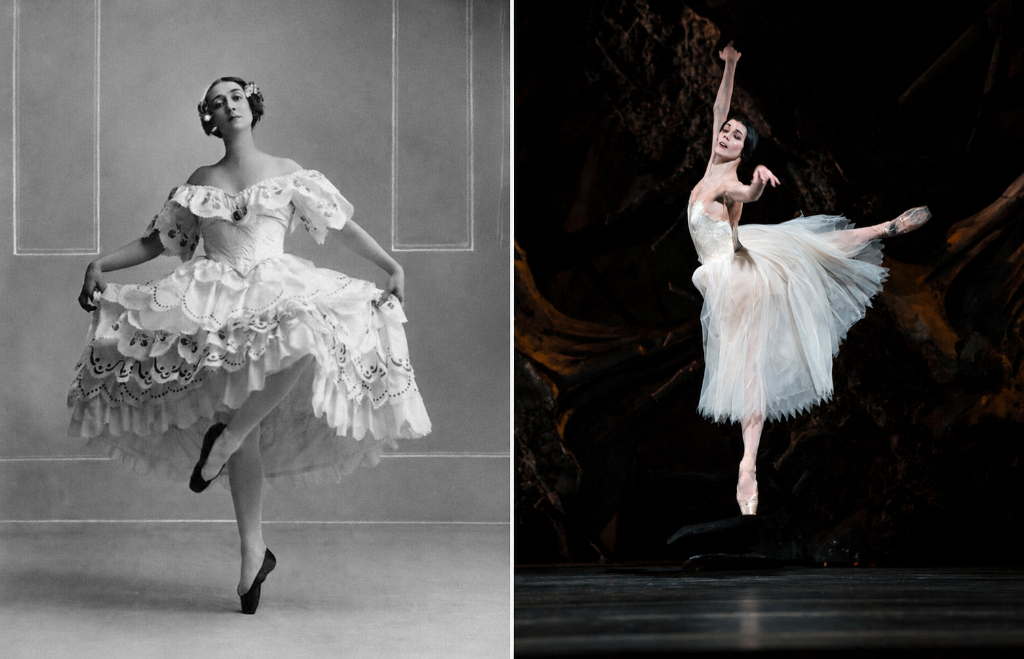
Today, if a dancer forgets a variation, they can watch a recording. If a company wants to revive a ballet, there may be dozens of videos, photographs, and rehearsal clips available online.
For most of ballet's history, none of that existed.
Dance disappears the moment it is performed. Unlike a painting, it leaves no object behind. Unlike a book, it cannot simply be reprinted. For centuries, choreography survived because dancers taught other dancers, who taught other dancers in turn. Ballet was passed from body to body.
But there was another solution.
What if movement could be written down?
The idea seems almost impossible. Music has notes. Language has letters. But how do you record a leap, a turn, a gesture, or an entire corps de ballet moving across a stage?
Over the centuries, choreographers, dancers, and scholars developed systems to do exactly that. Collectively known as dance notation, these systems attempted to capture movement on paper with the same precision that musical notation captures sound.
A Language for Movement
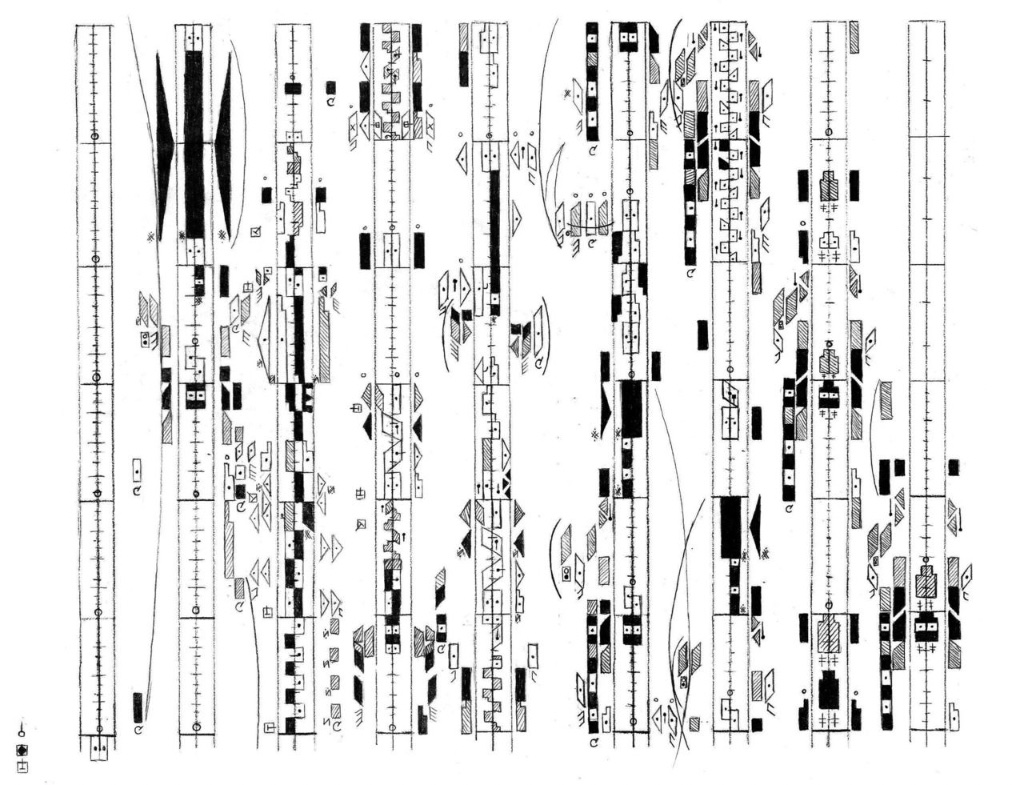
The most influential system is Labanotation, developed by Rudolf Laban in the twentieth century. At first glance it resembles an unfamiliar language of symbols, lines, and geometric shapes. To trained readers, however, it can describe direction, timing, body position, and even the quality of movement itself.
Entire ballets have been reconstructed using notation scores. In some cases, dance notation has preserved choreography that might otherwise have vanished completely. It acts as a kind of time machine, allowing future generations to study works created decades earlier.
Most dancers never learn to read notation fluently. Yet its existence reveals something remarkable about ballet itself: dance may be fleeting, but people have always searched for ways to make it endure.
Unexpectedly Beautiful
Even if you cannot read a single symbol, dance notation possesses a strange beauty of its own.
The pages often look less like instruction manuals and more like modern art: elegant columns of symbols, geometric forms, and visual rhythms flowing across the page. Some resemble architectural drawings. Others feel closer to abstract expressionist paintings or musical scores.
It is not difficult to imagine a framed notation score hanging in a dancer's home, a rehearsal studio, or even displayed as coffee-table art. Much like sheet music, part of its appeal comes from knowing that behind the abstract marks lies something deeply human: movement, expression, and performance captured on paper.
To most people, dance notation looks like abstract art.
To those who can read it, the dancers are already moving.
Why Not Just Film Everything?
It may seem that dance notation became obsolete the moment video cameras arrived. Yet ballet remains surprisingly cautious about recording.
Many professional companies restrict rehearsal footage, prohibit audience recording, or tightly control access to archival recordings. Choreography is intellectual property, and much of ballet's knowledge is still transmitted through coaching, rehearsal, and direct instruction rather than public video libraries.
Even when recordings exist, they capture only one cast, one interpretation, and one moment in time. A notation score attempts something different. It seeks to preserve the choreography itself rather than a particular performance.
For that reason, notation continues to occupy a unique place in the ballet world. It remains one of the few systems designed specifically to record movement as movement.
A recording captures an evening.
Notation attempts to capture the dance.
Why It Still Matters
Today, ballet companies rely heavily on video, rehearsal footage, and digital archives. Yet notation remains one of the few systems designed specifically to preserve choreography itself rather than a particular performance.
A recording captures one dancer, one cast, and one evening.
Notation attempts to capture the dance.
For an art form built on movement, that is an extraordinary achievement.
Long before smartphones, streaming, and social media, dancers found a way to write memory itself.
The Edit's Selection
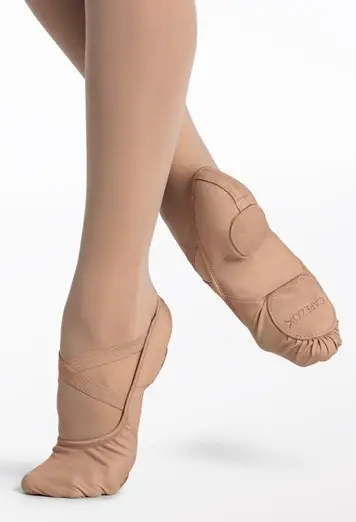
Capezio
Hanami Canvas Split-Sole
A perennial favourite among adult beginners and intermediate dancers for its lightness and beautiful arch profile.
- Lightweight
- Flattering line
- Breathable
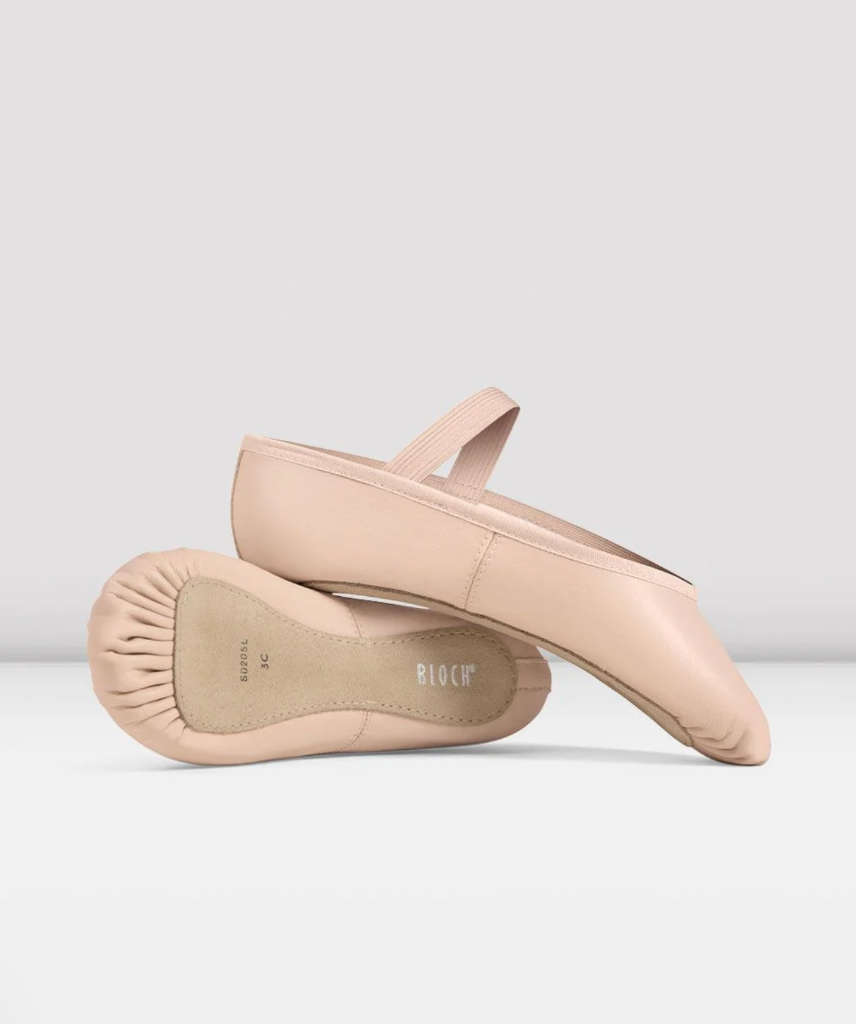
Bloch
Dansoft Full-Sole Ballet Slipper
The go-to recommendation for first-time ballet shoe buyers: forgiving, classic, and built to last a solid first year of classes.
- Supportive full sole
- Molds to the foot
- Classic leather
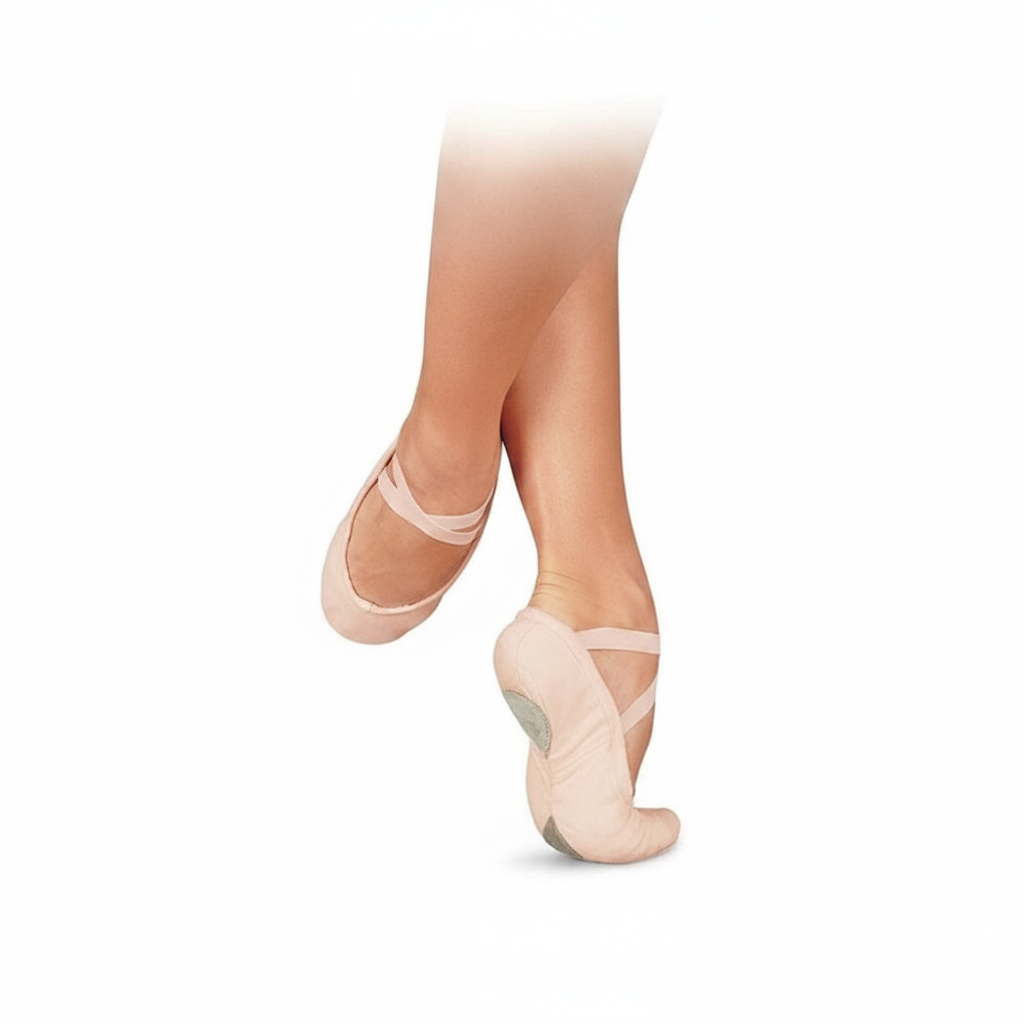
Sansha
Pro 1 Canvas Split-Sole
Quality at an honest price. Sansha's Pro 1 is a reliable first slipper that won't punish you for not yet knowing your preferences.
- Excellent value
- Durable
- Wide size range
Ad Space
About
The Ballet Edit
The Ballet Edit is a publication dedicated to ballet culture, adult beginner dance education, movement, alignment, and the enduring style of the ballet world.
Written and edited by practitioners with professional dance experience on stage, film, and television, The Ballet Edit exists to inform, inspire, and welcome adults into the art form at every stage of their journey.