If Ballet Schools Were Personalities
Not all ballet training is created equal. Across continents and centuries, three dominant methods have shaped how dancers move, think, and perform. Understanding these traditions reveals why a Russian Swan Lake feels different from a British one - even when the choreography is nearly identical.
Vaganova: The Russian Novelist
Everything is dramatic, expressive, grand.
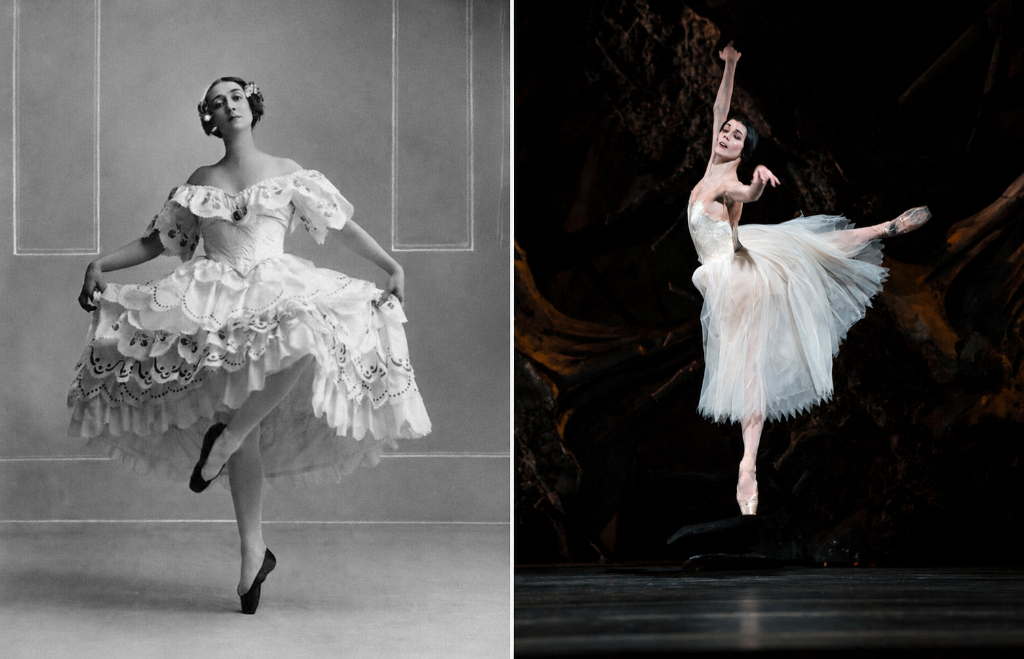
The Vaganova method - born in Imperial Russia and codified by Agrippina Vaganova at the Mariinsky Ballet - treats dance as theater first. The arms are poetry. The back bends. The épaulement is rich and layered. The dancer doesn't just execute the movement; they inhabit it.
A Vaganova-trained dancer moves with a kind of emotional amplitude. Every port de bras carries intention. Every pose tells a story. The technique is demanding, but it serves the art - not the other way around.
Think: Mariinsky Ballet | Agrippina Vaganova
Cecchetti: The Engineer
Every exercise has a reason. Every progression has a structure.
Enrico Cecchetti built his method on logic. The Cecchetti technique is elegant, methodical, precise - a system where nothing is accidental. Each exercise prepares the body for what comes next. Each combination builds toward a clear technical goal.
There is beauty in this approach, but it is the beauty of architecture: clean lines, sound construction, nothing wasted. A Cecchetti-trained dancer moves with clarity and confidence, knowing exactly why their body is positioned as it is.
Think: Enrico Cecchetti | The Royal Ballet (historical influence)
Royal Ballet Style: The Actor
The British tradition became obsessed with storytelling.
The Royal Ballet style - shaped by Frederick Ashton and Kenneth MacMillan - sits at the intersection of technique and drama. Beautiful technique matters, absolutely. But the audience must believe every emotion.
This is ballet as theater in the deepest sense. A Royal Ballet dancer is trained to act with their whole body. The feet may be flawless, but if the face tells nothing, the performance fails. Ashton's comic brilliance and MacMillan's psychological intensity both demand a dancer who can inhabit a character completely.
Think: The Royal Ballet | Frederick Ashton | Kenneth MacMillan
Can You Spot the Difference?
Watch three productions of Swan Lake:
- A Russian Swan Lake (Mariinsky or Bolshoi)
- A British Swan Lake (The Royal Ballet)
- An American Swan Lake (New York City Ballet or American Ballet Theatre)
The choreography may be nearly identical. The steps are the same. But the feeling often isn't.
The Russian Odette is tragic, operatic, overwhelming in her sorrow. The British Odette is nuanced, restrained, her pain held just beneath the surface. The American Odette - well, that depends on the company, but Balanchine's influence often brings speed, clarity, and a certain neo-classical detachment.
These differences aren't accidents. They are the living legacy of training methods that prioritized different things: drama, structure, storytelling.
The Truth
Most modern dancers are hybrids.
A dancer may:
- Study Cecchetti as a child, learning clean technique and musicality
- Switch to Vaganova as a teen, developing expressive épaulement and artistic range
- Join a Balanchine-influenced company, adapting to speed and precision
- Perform Ashton repertory, discovering the demands of dramatic truth
The "battle" is mostly historical now. Globalization has blurred the boundaries. Dancers train across methods. Companies hire internationally. Choreographers borrow from every tradition.
But traces of these traditions still live in every dancer on stage. Watch closely. You can see them - in the angle of an arm, the weight of a pause, the way a dancer holds their back.
The methods may have converged. But their souls remain distinct.
The Edit's Selection
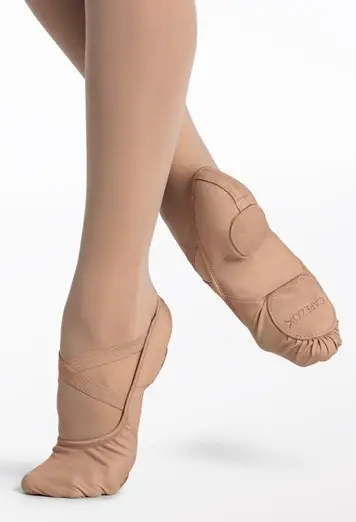
Capezio
Hanami Canvas Split-Sole
A perennial favourite among adult beginners and intermediate dancers for its lightness and beautiful arch profile.
- Lightweight
- Flattering line
- Breathable
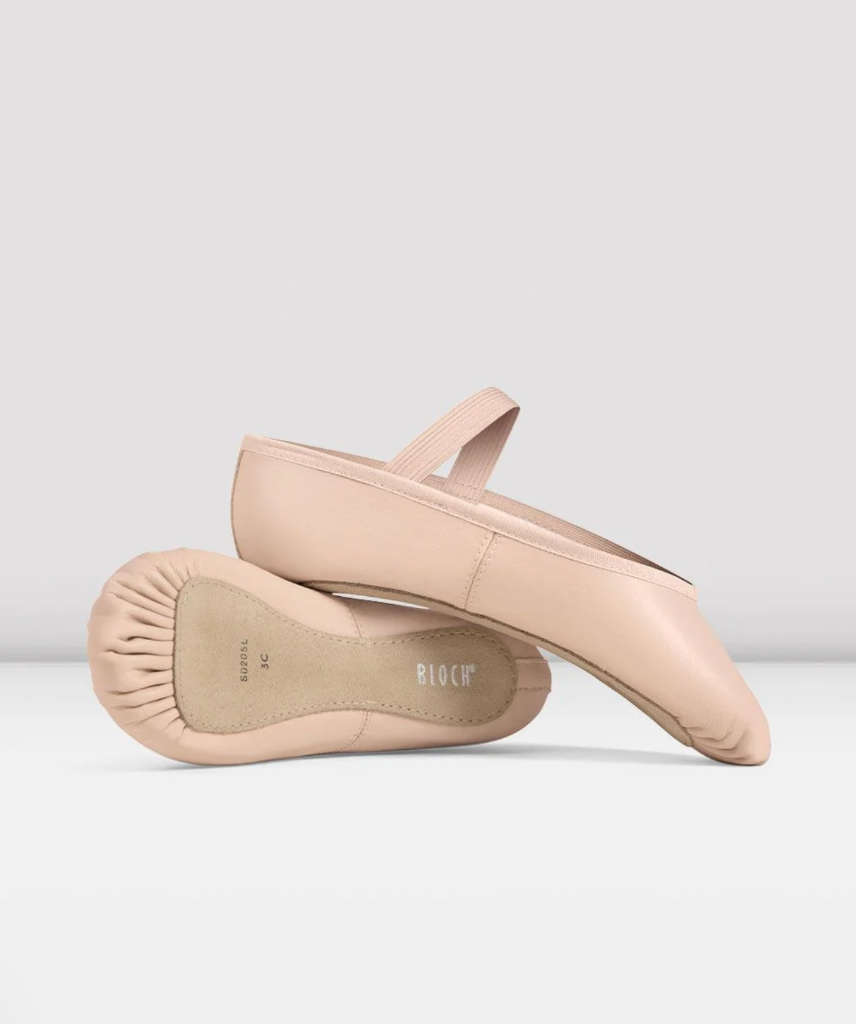
Bloch
Dansoft Full-Sole Ballet Slipper
The go-to recommendation for first-time ballet shoe buyers: forgiving, classic, and built to last a solid first year of classes.
- Supportive full sole
- Molds to the foot
- Classic leather
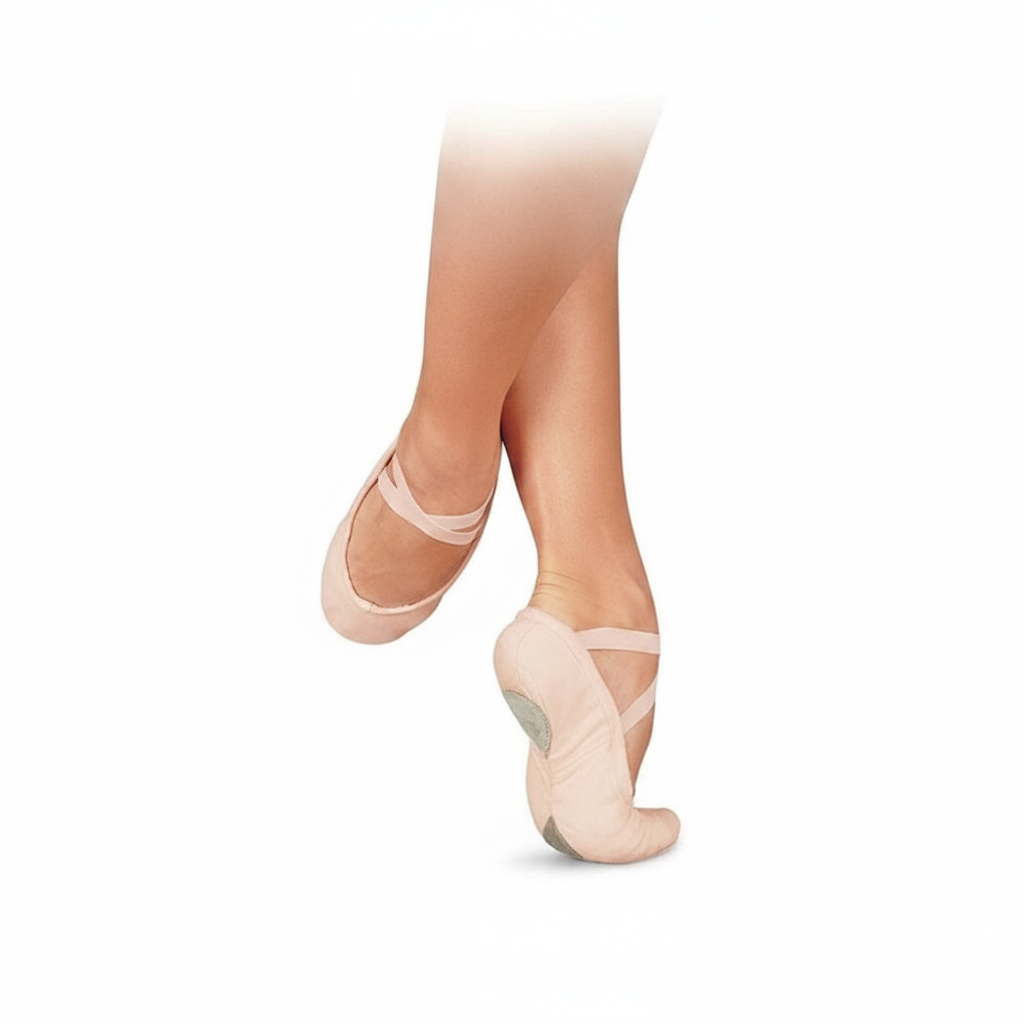
Sansha
Pro 1 Canvas Split-Sole
Quality at an honest price. Sansha's Pro 1 is a reliable first slipper that won't punish you for not yet knowing your preferences.
- Excellent value
- Durable
- Wide size range
Ad Space
About
The Ballet Edit
The Ballet Edit is a publication dedicated to ballet culture, adult beginner dance education, movement, alignment, and the enduring style of the ballet world.
Written and edited by practitioners with professional dance experience on stage, film, and television, The Ballet Edit exists to inform, inspire, and welcome adults into the art form at every stage of their journey.