Ballet music was composed to accompany movement. But some of it is so beautifully crafted that it works just as well setting the mood for everything else.
The great ballet scores - Tchaikovsky, Delibes, Adam, Glazunov - were written by composers who understood atmosphere, drama, and emotion. They knew how to build tension, how to release it, and how to create a soundscape that carries you somewhere else entirely.
Here is how to use ballet music not just for dancing, but for living.
For a Dinner Party
What to reach for: The Nutcracker (Tchaikovsky), Coppélia (Delibes), The Sleeping Beauty (Tchaikovsky)
Think of the kind of evening where the candles are already lit before the first guest arrives. Where the table is set with linen and crystal, tropical flowers spill low across the wood, and someone has opened a bottle of something cold. The music should feel like that: warm, generous, already welcoming.
Ballet music from the classical era was designed for grand entertaining - it already knows how to sound elegant without demanding attention. The waltzes are particularly useful: they have a gentle momentum that keeps the room alive without ever pushing.
The lighter divertissements from The Nutcracker - the March, the Danse des Mirlitons, the Valse des Fleurs - create warmth and sophistication without overpowering conversation. Delibes' Coppélia is even brighter: playful, French, and effortlessly charming. And The Sleeping Beauty has some of the most gracious music Tchaikovsky ever wrote - it sounds like hospitality itself.
Start with: "Valse des Fleurs" from The Nutcracker
It is one of the most recognizable pieces of ballet music ever written for a reason. The melody is generous, the orchestration is lush, and it makes everyone in the room feel slightly more glamorous without anyone having to say so. Put it on as the first guests arrive. Watch how the room settles into the evening.
For Relaxation
What to reach for: Giselle (Adam), La Sylphide (Løvenskiold)
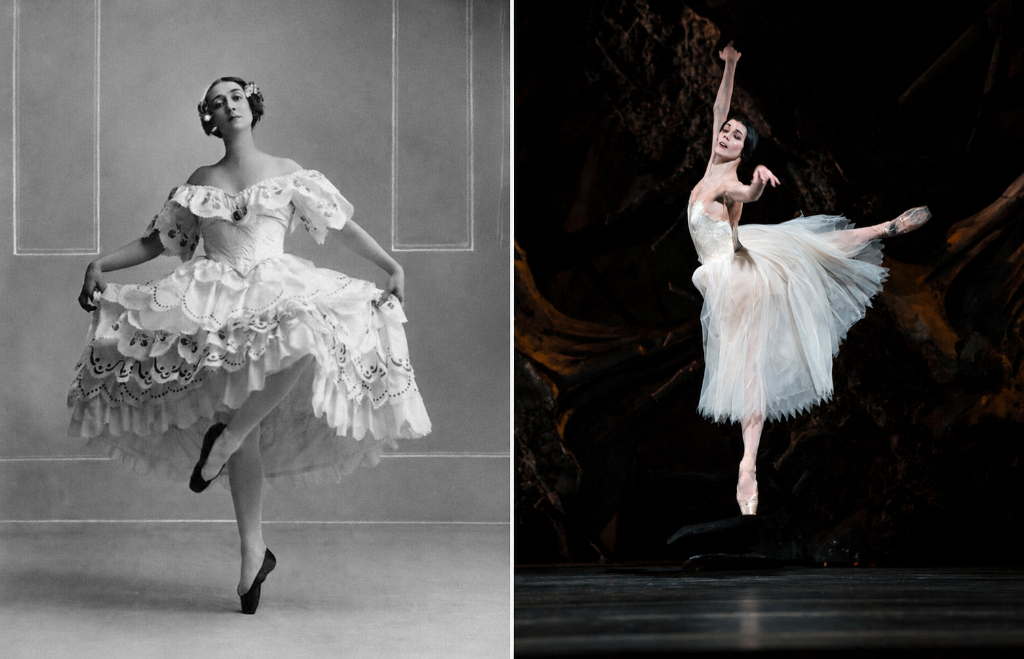
The Romantic ballets were written to evoke moonlight, mist, and otherworldly beauty. Their music is soft, flowing, and deeply calming.
Giselle's slower passages - particularly the Act I Introduction and the Act II Prelude - feel like being wrapped in something gentle. The strings breathe. The woodwinds sigh. There is no urgency, only atmosphere.
Start with: Act II Prelude from Giselle
It sounds like twilight. Like standing still in a forest as evening falls. Perfect for unwinding after a long day.
For Getting Creative
What to reach for: Don Quixote (Minkus), The Firebird (Stravinsky)
When you need energy, ballet has no shortage of it. Minkus wrote for virtuosity - his music is rhythmic, bright, and propulsive. Stravinsky's Firebird is more complex: colorful, surprising, and full of ideas that seem to shift as you listen.
Both scores remind you that movement and creativity are closely related. Put them on when you need to think with your hands.
Start with: "Grande Valse" from Don Quixote
It is impossible to feel stagnant while this plays. The tempo pushes forward. The melody soars. You will find yourself sitting up straighter.
For Studying
What to reach for: Swan Lake (Tchaikovsky), Raymonda (Glazunov)
Ballet music for concentration needs to be engaging enough to occupy the part of your brain that wants distraction, but predictable enough not to pull your focus.
Swan Lake's slower variations - the Andante from Act II, the Pas de Six - are ideal. The themes are memorable but not intrusive. The orchestration is rich but not overwhelming.
Glazunov's Raymonda is similarly useful: elegant, structured, and steady.
Start with: "Pas de Deux" from Swan Lake Act II
It is one of the most beautiful duets ever written for orchestra. The violin sings, the harp shimmers, and your mind settles into work.
For Falling Asleep
What to reach for: The Sleeping Beauty (Tchaikovsky), Les Sylphides (Chopin)
Tchaikovsky understood rest. The slower movements of The Sleeping Beauty - particularly the Adagio from the Grand Pas de Deux - are so gentle they feel like being lulled.
Les Sylphides is even softer. It is not a narrative ballet at all, but a series of mood pieces set to Chopin's piano music. There is no drama, only atmosphere.
Start with: "Nocturne in D-flat Major" from Les Sylphides
Chopin wrote it for the piano alone. There is nothing between you and the melody. It is intimacy itself.
For Romance
What to reach for: Romeo and Juliet (Prokofiev), Daphnis et Chloé (Ravel)
When you want something that sounds like longing, ballet has you covered.
Prokofiev's Romeo and Juliet contains some of the most tender music ever written for the stage. The "Balcony Scene" and the "Dance of the Knights" (slowed down) both carry a kind of ache that is hard to describe.
Ravel's Daphnis et Chloé is warmer: impressionistic, sensual, and deeply atmospheric. It sounds like golden hour.
Start with: "Balcony Scene" from Romeo and Juliet
It builds slowly, tenderly. The strings swell. The melody reaches. It is love music in its purest form.
The Real Lesson
Ballet music was written to serve dance. But its real gift is that it serves everything else just as well.
It knows how to be present without demanding. How to create mood without manipulation. How to make ordinary moments feel slightly more meaningful.
Put it on. Let it play. And notice how the room - and you - change with it.
The Edit's Selection
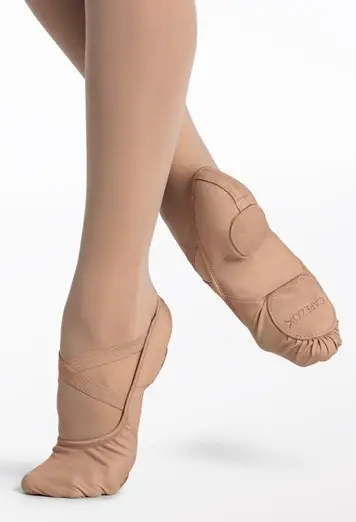
Capezio
Hanami Canvas Split-Sole
A perennial favourite among adult beginners and intermediate dancers for its lightness and beautiful arch profile.
- Lightweight
- Flattering line
- Breathable
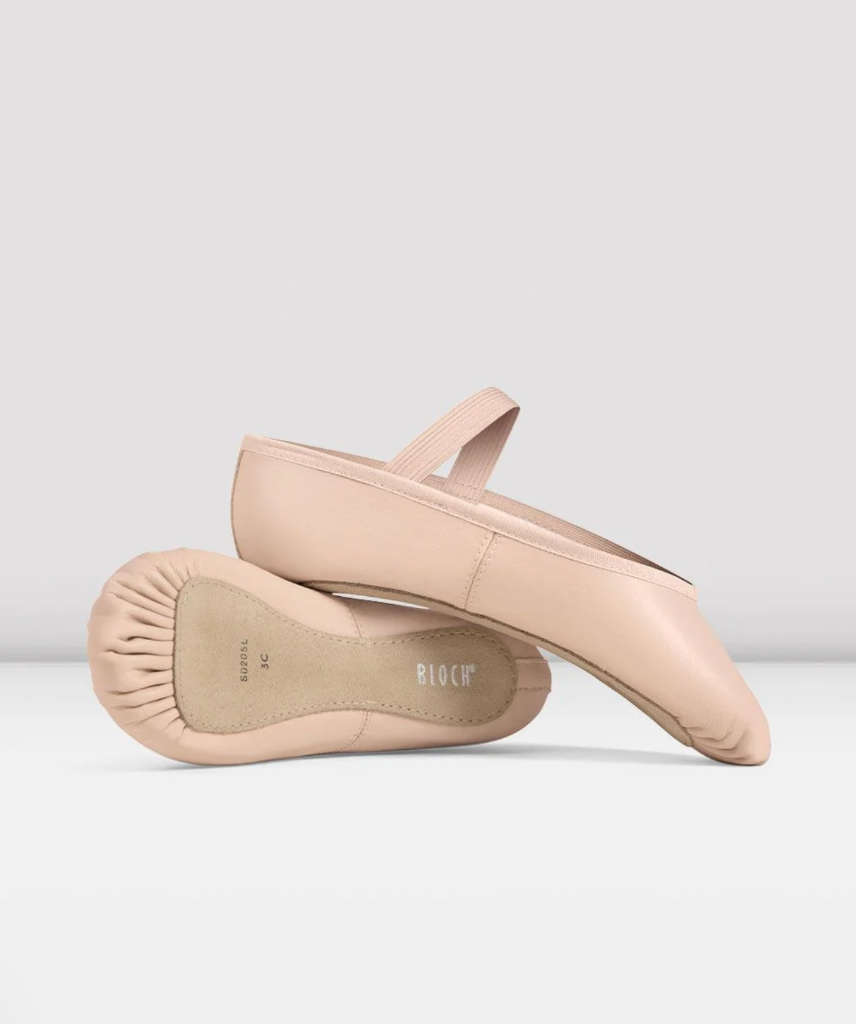
Bloch
Dansoft Full-Sole Ballet Slipper
The go-to recommendation for first-time ballet shoe buyers: forgiving, classic, and built to last a solid first year of classes.
- Supportive full sole
- Molds to the foot
- Classic leather
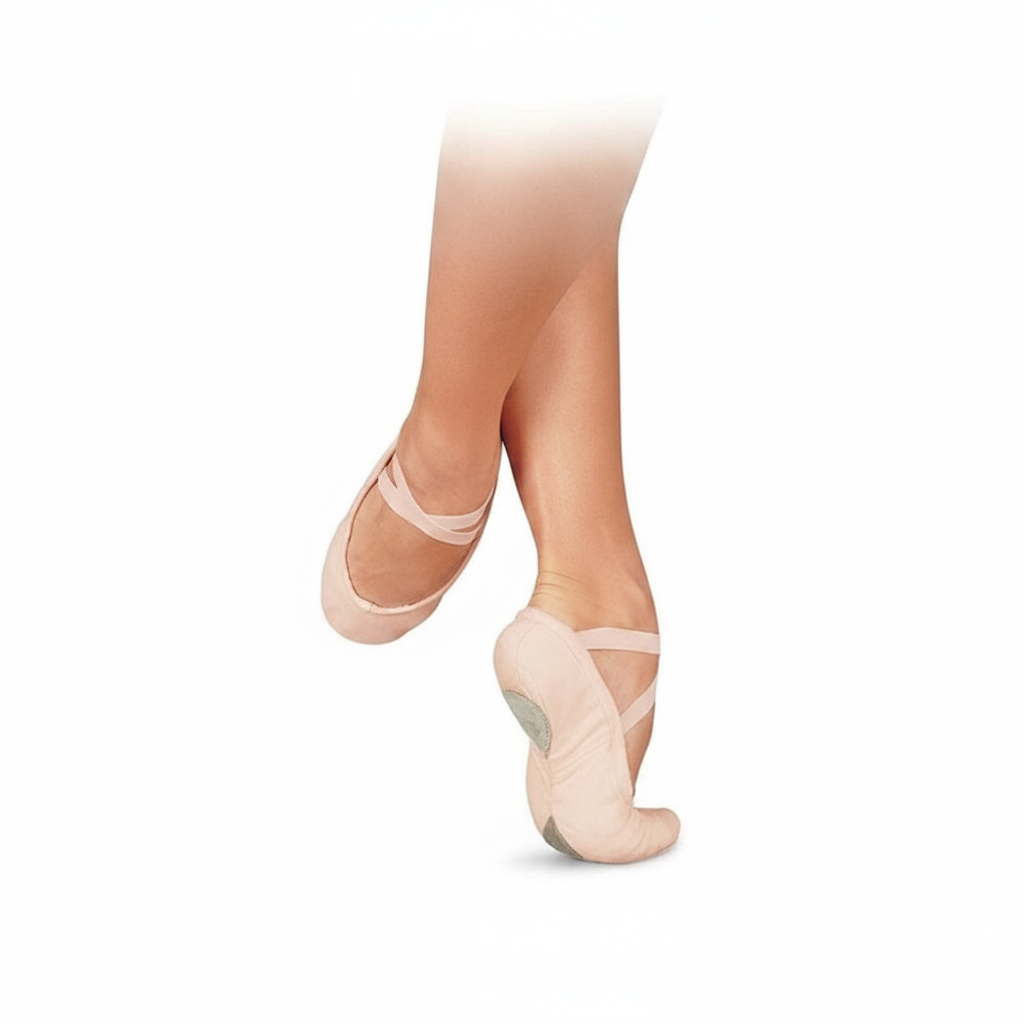
Sansha
Pro 1 Canvas Split-Sole
Quality at an honest price. Sansha's Pro 1 is a reliable first slipper that won't punish you for not yet knowing your preferences.
- Excellent value
- Durable
- Wide size range
Ad Space
About
The Ballet Edit
The Ballet Edit is a publication dedicated to ballet culture, adult beginner dance education, movement, alignment, and the enduring style of the ballet world.
Written and edited by practitioners with professional dance experience on stage, film, and television, The Ballet Edit exists to inform, inspire, and welcome adults into the art form at every stage of their journey.