The Arms Have Their Own Language
You have learned the five positions of the feet. You understand turnout. You can find first position without looking down.
Now comes the part that confuses every dancer at some point: you take a class with a teacher from a different method, and suddenly the arms you thought you knew have different names.
What you call first position, they call preparatory. What they call third, you were taught as fourth. Both of you are right. Neither of you is wrong.
This is port de bras - the carriage of the arms - and like everything in ballet, it depends on where you learned to dance.
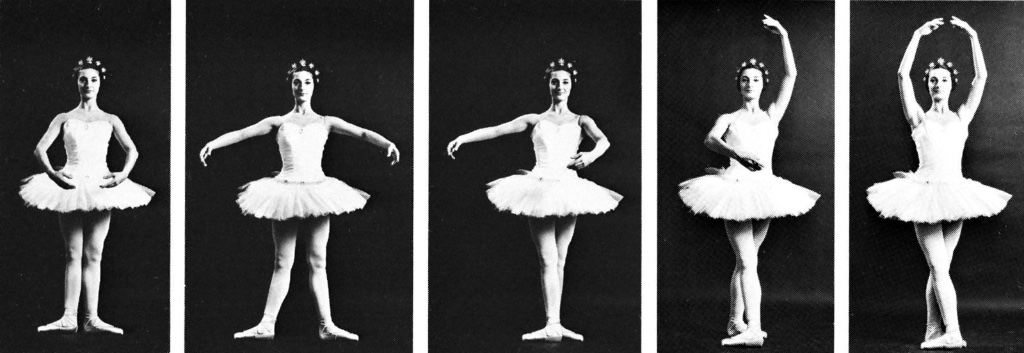
The Basic Shapes (Regardless of Name)
Before we dive into the naming wars, let's establish what the arms actually do. Across all methods, there are roughly five fundamental arm positions:
Preparatory Position (Low Rounded)
Arms are low, in front of the body, forming a soft oval. Hands are slightly below waist level, fingers gently curved, palms facing slightly upward and inward. Shoulders are down. Elbows are lifted but not locked.
This is where you begin. This is where you rest.
Rounded Position (Mid-Level)
Arms are lifted to approximately solar plexus or sternum height, still rounded and in front of the body. The elbows remain lifted. The hands face inward, as if holding a large beach ball.
Some schools call this first position. Some call it demi-seconde. Some don't name it at all.
Second Position (Open to the Side)
Arms open to the sides, slightly in front of the body line (not directly out like a T). Elbows are softly lifted. Wrists are gentle. Fingers are extended but not stiff. The arms create a frame around the dancer.
Nearly every school agrees on second position - though the exact height and curvature vary.
High Position (Overhead)
Arms lift overhead, forming an oval frame above and slightly in front of the head. The dancer looks through the window of the arms. Elbows are turned out. Shoulders remain down.
Some schools call this third position. Some call it fifth. Some call it high fifth. Some call it "just lift your arms, please."
Crossed Position (One Arm High, One Low)
One arm is in high position, the other in low or mid position. This is often a transitional shape or a pose for specific steps.
The naming here is where things get truly interesting.
Vaganova (Russian Method)
The arms are poetry.
The Vaganova method treats port de bras as an art form in itself. The arms are never static - they are always moving, breathing, flowing. Even in stillness, there is life.
Vaganova Arm Positions:
- Preparatory: Arms low and rounded, hands slightly in front of the hips
- First Position: Arms rounded at solar plexus level, elbows lifted, hands facing inward
- Second Position: Arms open to the side, slightly forward of the body line, elbows soft
- Third Position: One arm in second, one arm in high position (overhead)
- Fifth Position: Both arms overhead in high position
What makes Vaganova distinctive:
The épaulement - the positioning of the head and shoulders - is inseparable from the arms. A Vaganova dancer never holds arms without some corresponding tilt or turn of the head. The back is engaged. The arms feel like they originate from the shoulder blades, not the shoulders.
The arms are expressive, dramatic, operatic. They tell the story as much as the face does.
Cecchetti (Italian Method)
Precision over poetry.
Enrico Cecchetti codified his method with the rigor of a scientist. Every position has a name. Every transition has a path. There is beauty here, but it is the beauty of exactness.
Cecchetti Arm Positions:
- First Position: Arms low and rounded (what others call preparatory)
- Second Position: Arms rounded at sternum level (what others call first or demi-seconde)
- Third Position: Arms open to second position
- Fourth Position: One arm high, one arm in second (what Vaganova calls third)
- Fifth Position: Both arms overhead
What makes Cecchetti distinctive:
The positions are clearly defined and consistently named. Transitions between positions are as important as the positions themselves - there are specific paths the arms must follow (en bas, en avant, en haut). The arms are elegant but controlled. Nothing is accidental.
Cecchetti training produces dancers whose port de bras is clean, predictable, and technically secure.
Royal Ballet / English Method
The actor's arms.
The Royal Ballet style - shaped by Ashton and MacMillan - treats the arms as instruments of characterization. Technique matters, but expression matters more.
Royal Ballet Arm Positions:
The Royal Ballet uses a hybrid system, drawing from both Cecchetti and French school traditions:
- Preparatory: Arms low and rounded
- First Position: Arms rounded at mid-level (sternum height)
- Second Position: Arms open to the side
- Third Position: One arm curved overhead, one arm in second
- Fourth Position: One arm overhead, one arm in first (mid-level)
- Fifth Position: Both arms overhead
What makes Royal Ballet distinctive:
The arms are softer, more fluid than in Cecchetti. There is a quality of abandon within the structure - the arms feel like they belong to a character, not just a technique. Ashton's choreography especially demands arms that can be comic, romantic, or tragic without losing their classical line.
The head and upper body are more actively engaged than in some other methods. The arms are part of a whole-body performance.
French School
The original source.
The French school is the ancestor of all ballet methods. Its terminology is the language ballet speaks worldwide. Modern French training emphasizes lightness, elegance, and understatement.
French School Arm Positions:
- Bras au repos: Arms at rest (preparatory)
- Première position: Arms rounded at mid-level
- Seconde position: Arms open to the side
- Troisième position: One arm high, one arm in second
- Cinquième position: Both arms overhead (en haut)
What makes French school distinctive:
The arms are light, almost weightless. There is a quality of airiness - the arms seem to float rather than hold positions. The hands are particularly refined, with subtle wrist articulation and finger positioning that reads as distinctly French.
French port de bras feels effortless, even when it is not.
Balanchine / American Method
Speed and clarity.
George Balanchine trained in the Russian Imperial tradition but created something distinctly American. His port de bras is faster, more direct, and often more extreme than classical methods.
Balanchine Arm Positions:
Balanchine technique often uses:
- Low position: Arms down and slightly back (more extreme than classical preparatory)
- First Position: Arms rounded but lower than Russian first
- Second Position: Arms wider and flatter than classical second, sometimes directly to the side
- High Third/Fifth: Arms overhead but further back, creating a longer line
What makes Balanchine distinctive:
The arms are faster. The transitions are sharper. The positions are often more open and extended than in classical methods. Balanchine dancers are trained to move through space with urgency - the arms reflect this.
There is also a distinctive use of the hands: fingers are often more spread, wrists more flexible, and the overall quality is more modern than classical.
Why the Confusion Exists
Ballet traveled across Europe and then the world, carried by dancers and teachers who spoke different languages and held different aesthetic values. Each school codified what it valued most:
- Vaganova valued expressiveness and drama
- Cecchetti valued precision and structure
- French school valued elegance and lightness
- Royal Ballet valued storytelling and character
- Balanchine valued speed and clarity
The arms reflect these values. A Vaganova dancer's arms will feel different from a Cecchetti dancer's, even in the same position, because the intention behind them is different.
What This Means for You
If you are learning ballet now, you will encounter different naming systems. You will take classes where the teacher calls out positions you do not recognize. You will feel momentarily lost.
This is normal.
Practical advice:
-
Learn the shapes, not just the names. If you can form the position with your body, you can adapt to any naming system.
-
Ask your teacher which method they use. Most will tell you gladly - and may even explain the differences.
-
Watch dancers from different companies. Compare a Mariinsky dancer's port de bras to a Royal Ballet dancer's. See the qualities that distinguish them.
-
Do not worry about being "wrong." If your arms are in the right shape and moving with intention, you are dancing ballet - regardless of what position number someone calls out.
The Truth
The arms are not decoration. They are not an afterthought. They are not something you add once the legs have figured out the steps.
The arms are part of the technique. They are part of the art. They are how you frame your body, how you connect to the space around you, how you tell the story.
Learn them carefully. Practice them slowly. Let them breathe.
And when someone calls out a position name you do not recognize - watch, listen, and trust your body. The shape will make sense, even if the name does not.
That is ballet. That is port de bras. That is the language the arms speak.
The Edit's Selection
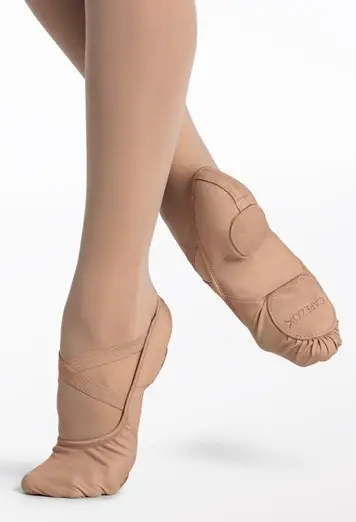
Capezio
Hanami Canvas Split-Sole
A perennial favourite among adult beginners and intermediate dancers for its lightness and beautiful arch profile.
- Lightweight
- Flattering line
- Breathable
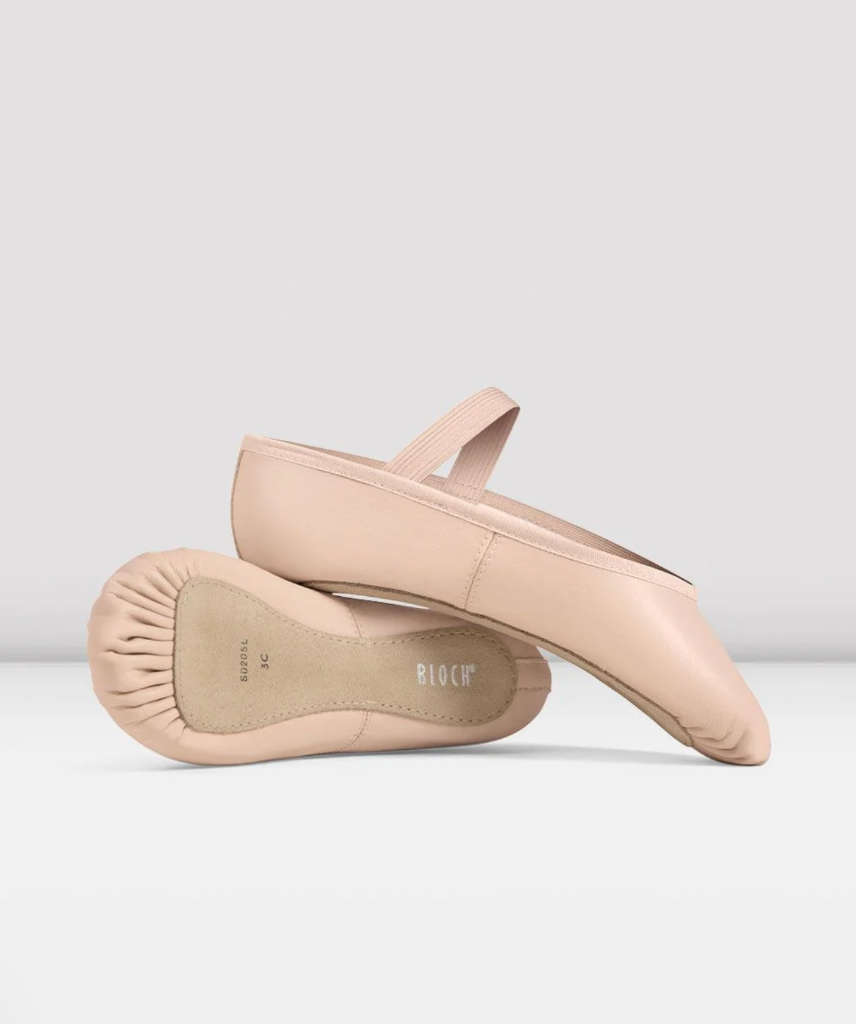
Bloch
Dansoft Full-Sole Ballet Slipper
The go-to recommendation for first-time ballet shoe buyers: forgiving, classic, and built to last a solid first year of classes.
- Supportive full sole
- Molds to the foot
- Classic leather
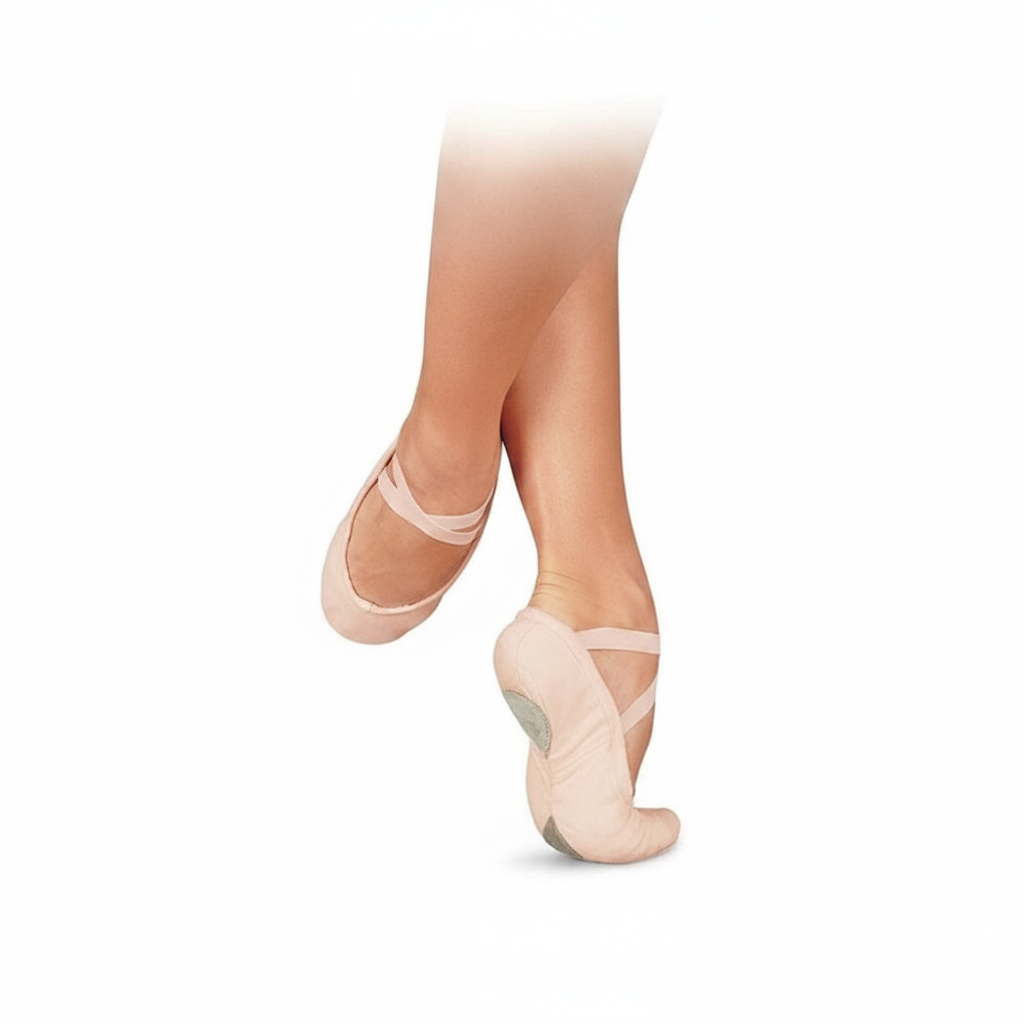
Sansha
Pro 1 Canvas Split-Sole
Quality at an honest price. Sansha's Pro 1 is a reliable first slipper that won't punish you for not yet knowing your preferences.
- Excellent value
- Durable
- Wide size range
Ad Space
About
The Ballet Edit
The Ballet Edit is a publication dedicated to ballet culture, adult beginner dance education, movement, alignment, and the enduring style of the ballet world.
Written and edited by practitioners with professional dance experience on stage, film, and television, The Ballet Edit exists to inform, inspire, and welcome adults into the art form at every stage of their journey.