The Question Behind the Question
When people ask "am I too old for ballet?" they're rarely asking about age. They're asking: is my body capable of this? And beneath that: will I look ridiculous? And beneath that: is there a place for me in this world?
The answer to all three is the same: yes, there is a place for you. But the entry point matters, and choosing the right one makes all the difference.
Ballet Is Not One Thing
This is the most important thing to understand before you begin. Ballet is a vast spectrum of physical practice. At one end: professional dancers who have trained since childhood, perform eight shows a week, and have bodies shaped by decades of specialised work. At the other end: an adult taking their first barre class on a Tuesday evening because they've always wanted to.
Both of these people are doing ballet. Neither is doing it wrong.
The question isn't whether you can become a professional dancer - for most adults, that ship has sailed, and that's completely fine. The question is what kind of ballet practice is available to you, right now, with the body and the schedule you have.
Start Where Your Body Is
Fitness and strength matter more than age when it comes to finding your entry point. Here's an honest map:
If you have good general fitness - you walk regularly, exercise occasionally, have reasonable flexibility - a genuine adult beginner class is within reach. Look specifically for classes labelled "adult beginner" or "ballet for adults." These are taught differently from children's classes: the pace is slower, the explanations are more detailed, and the teacher understands that your body has a different history.
If you're less active or recovering from injury - start with barre work only, or look for a ballet school that offers open barre sessions. Barre classes have become increasingly available outside of traditional studios, and they offer the fundamentals of ballet conditioning without the complexity of centre work or choreography.
If your flexibility or strength needs work first - that's not a reason to wait. It's a reason to begin preparing now.
Pilates and Stretching as a Foundation
Many adult beginners find that a period of Pilates before their first ballet class pays dividends they didn't anticipate. Pilates builds the deep core strength and postural awareness that ballet demands - the ability to stabilise the pelvis, engage the abdominals without gripping, and isolate muscle groups. These are not instinctive for most adults, and arriving at your first ballet class with some of this already in place makes the experience considerably less overwhelming.
A consistent stretching practice - particularly for the hips, hamstrings, and Achilles - is equally valuable. You don't need extreme flexibility for adult ballet. But you do need enough range to work safely and comfortably through the basic positions. Even fifteen minutes of gentle, consistent stretching a day will make a visible difference within a few weeks.
Yoga is another strong foundation, particularly styles that emphasise alignment and breath awareness. The mindfulness of a good yoga practice translates directly to the quality of attention ballet requires.
Finding the Right Class
Not all ballet classes welcome adult beginners equally. Some studios focus entirely on children and recreational youth dance; their adult offering is an afterthought. Others have built genuine programmes around adult students and understand what that population needs.
When you're looking:
- Search specifically for "adult beginner ballet" rather than just "ballet classes."
- Call the studio and ask whether adults are genuinely welcomed, not just tolerated.
- Ask whether the teacher has experience with adult beginners specifically.
- Look for a trial class before committing to a term.
Many professional ballet schools also offer adult recreational programmes - these are often taught by experienced former dancers and provide excellent instruction in a serious environment without the pressure of competition or performance.
What to Expect in Your First Classes
Ballet has its own language, and it takes time to learn it. The French terminology, the named positions, the particular quality of stillness the teacher expects - none of this will be immediately obvious, and that's normal. Give yourself at least six to eight classes before making any judgements about whether it's right for you.
You will feel uncoordinated. Your balance will be unreliable. Your turnout will be modest. This is not failure - it is simply the beginning, and every dancer in that room has been exactly where you are.
"The only requirement is that you come back to the next class. Everything else is details."
A Final Word on Age
The body's capacity for learning movement doesn't stop at eighteen, or thirty, or fifty. It changes - recovery takes longer, flexibility requires more maintenance, and some extreme ranges of motion may no longer be available. But the core experience of ballet: the music, the discipline, the quiet satisfaction of a position finally feeling right, the community of people who share it - none of that has an age limit.
The best time to start was when you first thought about it. The second best time is now.
The Edit's Selection
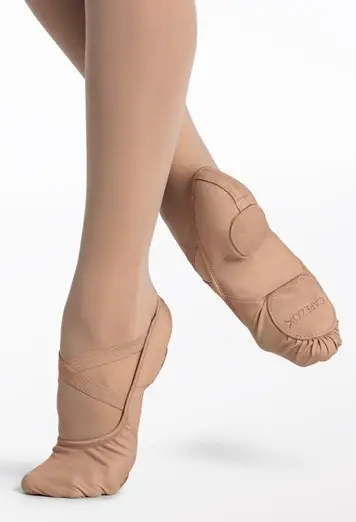
Capezio
Hanami Canvas Split-Sole
A perennial favourite among adult beginners and intermediate dancers for its lightness and beautiful arch profile.
- Lightweight
- Flattering line
- Breathable
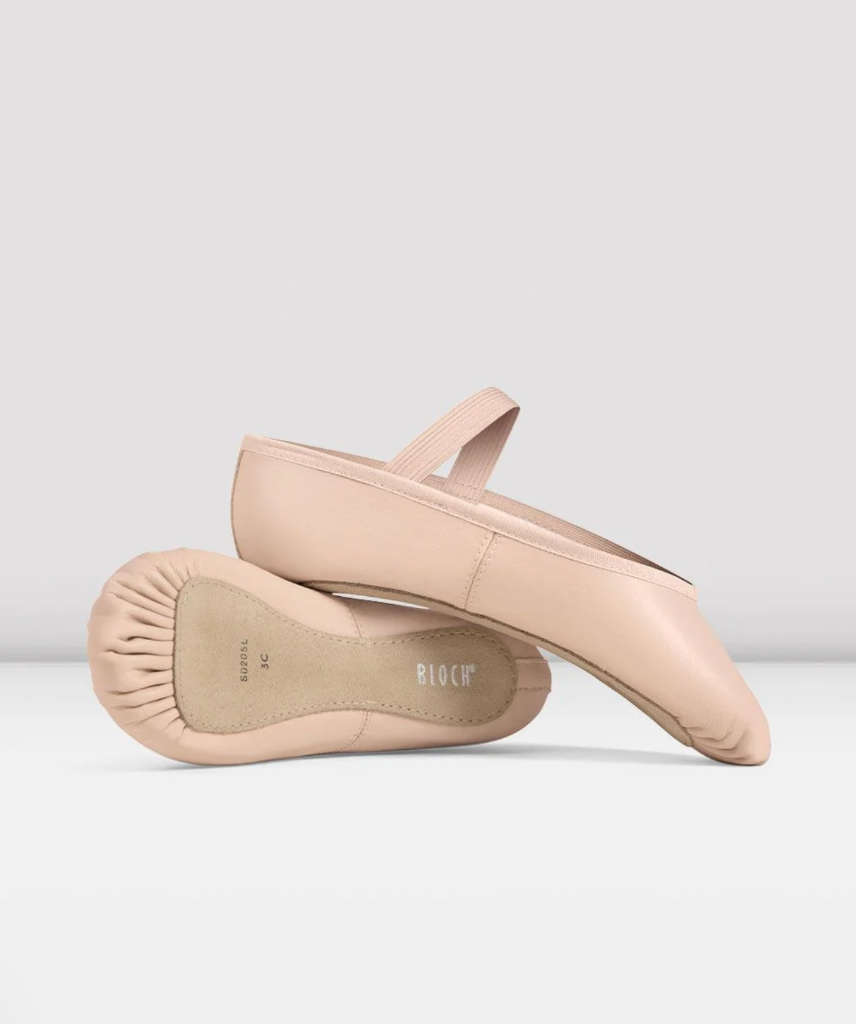
Bloch
Dansoft Full-Sole Ballet Slipper
The go-to recommendation for first-time ballet shoe buyers: forgiving, classic, and built to last a solid first year of classes.
- Supportive full sole
- Molds to the foot
- Classic leather
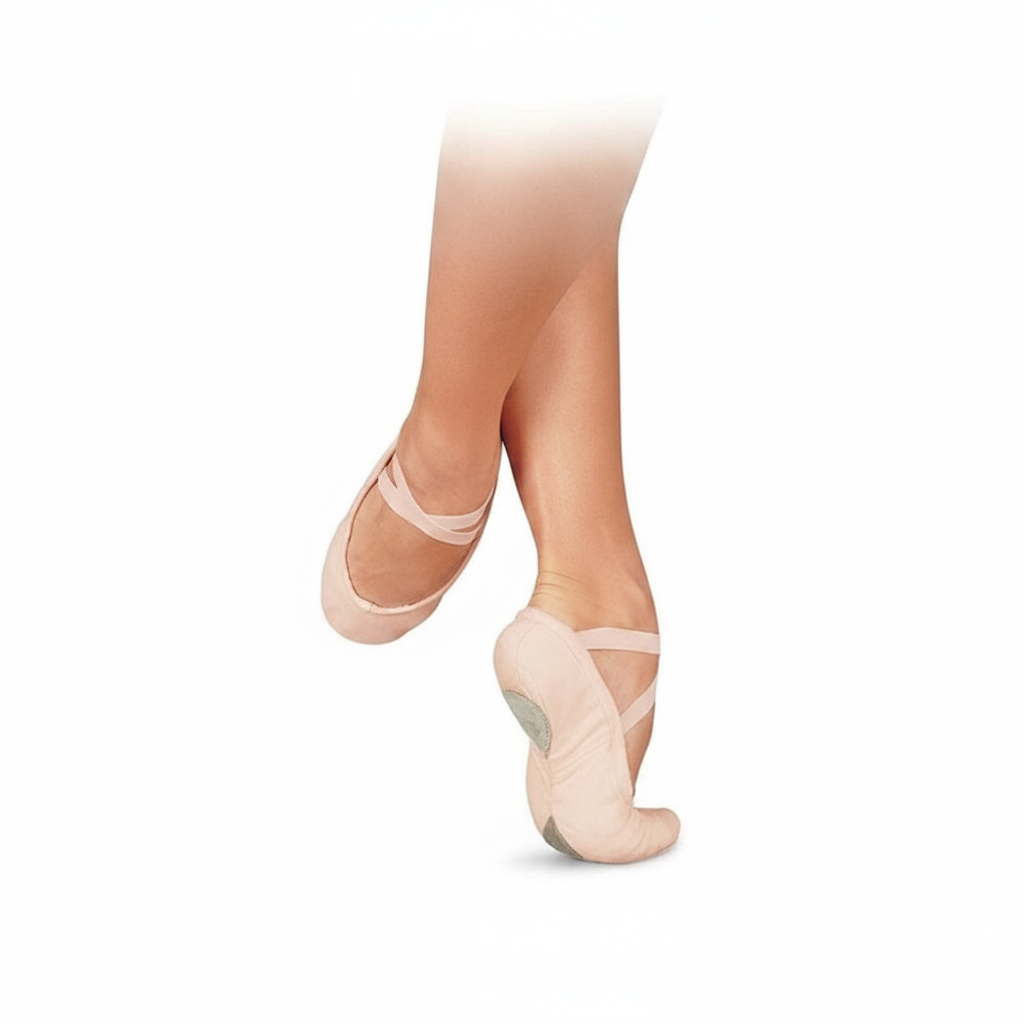
Sansha
Pro 1 Canvas Split-Sole
Quality at an honest price. Sansha's Pro 1 is a reliable first slipper that won't punish you for not yet knowing your preferences.
- Excellent value
- Durable
- Wide size range
Ad Space
About
The Ballet Edit
The Ballet Edit is a publication dedicated to ballet culture, adult beginner dance education, movement, alignment, and the enduring style of the ballet world.
Written and edited by practitioners with professional dance experience on stage, film, and television, The Ballet Edit exists to inform, inspire, and welcome adults into the art form at every stage of their journey.