The Ballet-Inspired Wardrobe: 10 Pieces That Never Go Out of Style
Ballet has been influencing fashion for as long as fashion has been paying attention. The vocabulary of the ballet studio, the wrap, the knit, the flat, the clean neutral, moves through the collections season after season, not as trend but as foundation.
These ten pieces carry that influence in the quietest, most enduring way. None of them shout. All of them last.
1. The Wrap Cardigan
The wrap cardigan is the garment most directly descended from the ballet studio. Originally worn over a leotard and tights during warm-up, it crossed into civilian life in the 1970s and has never left. The best versions are knitted in fine merino or cashmere, tie at the waist, and work over everything from a slip dress to tailored trousers.
What makes it timeless: the wrap structure flatters every body without effort, and the open front creates the long vertical line that ballet dressing is built around.
2. The Ballet Flat
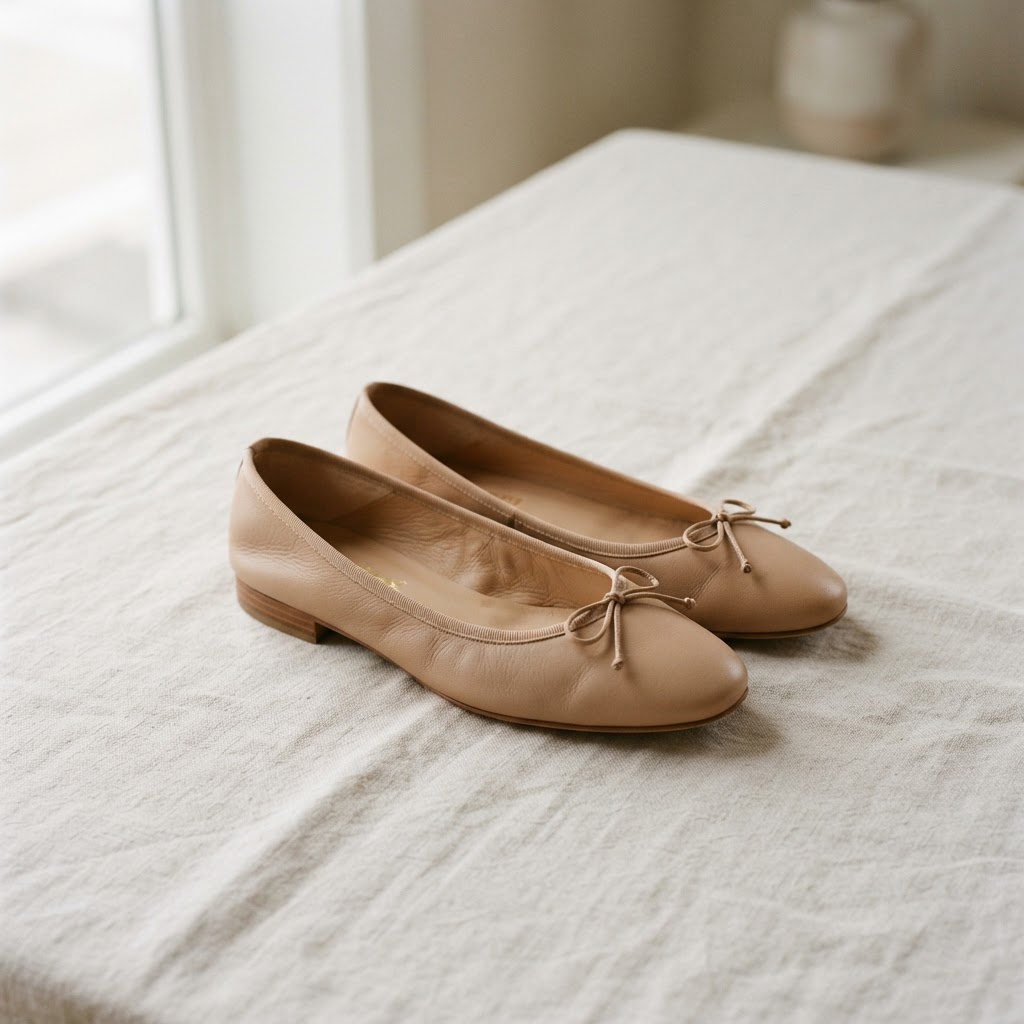
Coco Chanel introduced the ballet flat to fashion in the 1950s, and it has been a wardrobe essential ever since. The silhouette is borrowed directly from the soft ballet slipper, a flat sole, a shallow vamp, a rounded or slightly pointed toe.
The best ballet flats are made in leather or suede, in black, nude, or navy. They work with everything and ask nothing.
3. The Wrap Skirt
The studio wrap skirt, traditionally chiffon, tied at the side, translates into street dressing as a bias-cut or draped midi. The movement quality is the same: fabric that responds to the body, that falls and shifts as you walk.
Worn over a fitted base, the wrap skirt has the same lengthening effect in everyday life that it has in the studio.
4. The Fitted Knit Rollneck
The rollneck in its simplest, most fitted form is a dancer's garment. It holds close to the body, keeps the neck warm, and frames the face without adding visual weight. In fine-gauge merino or silk-blend knit, it becomes one of the most versatile pieces in a wardrobe, worn under a blazer, under a dress, or alone.
5. The Crossover Top
The crossover or wrap-front top has its roots in the ballet warm-up layer. In its fashion form it appears as a draped front blouse, a ruched-bust bodysuit, or a structured wrap top. The defining feature is the diagonal line across the chest, one of the most universally flattering cuts in clothing.
6. The Legging in Black
Not the athletic legging, but the slim, plain, matte-black legging worn as a trouser, close to the body from waist to ankle, with no embellishment. Ballet dancers have worn this silhouette for over a century. In a city wardrobe it works under a long blazer, a tunic, or an oversized coat.
The key is fabric weight: a mid-weight ponte or thick matte jersey reads as clothing, not sportswear.
7. The Simple Bun
The ballet bun is not a hairstyle so much as a philosophy: all the hair, off the face, held with precision. In everyday dressing it becomes the low chignon, the twisted knot at the nape, or the clean topknot, all of which have the same effect. They elongate the neck, direct attention to the face, and project a kind of effortless composure.
8. The Neutral Palette
Ballet studio dressing operates in a restricted palette: blush, ecru, black, grey, navy. These are not boring choices, they are a discipline. Building a wardrobe around a narrow range of tones means everything works together, and the simplicity reads as intentional.
The ballet influence here is not a specific garment but a way of editing.
9. The Fitted Camisole
The ballet camisole, a sleeveless top cut close to the body, often with thin straps and a simple neckline, is a layering piece of unusual versatility. Under a blazer or open shirt it provides a clean base. Alone in summer it is complete. In fine silk or modal it has an understated luxury that synthetic fabrics never quite match.
10. The Long Cardigan in Neutral
Not the cropped version, but the long, open cardigan that reaches the hip or mid-thigh, descended from the studio cover-up that dancers pull on between rehearsals. It moves like a robe, adds warmth without structure, and extends the vertical line of whatever is underneath.
In oatmeal, charcoal, or black, it is one of the most reliable pieces in a thoughtful wardrobe.
The Underlying Logic
What these pieces share is not a specific silhouette but an approach: clean lines, quality fabric, a preference for the vertical over the horizontal, and an absence of unnecessary decoration. Ballet dressing is functional dressing made beautiful through discipline rather than ornament.
That is what makes it last.
The Edit's Selection
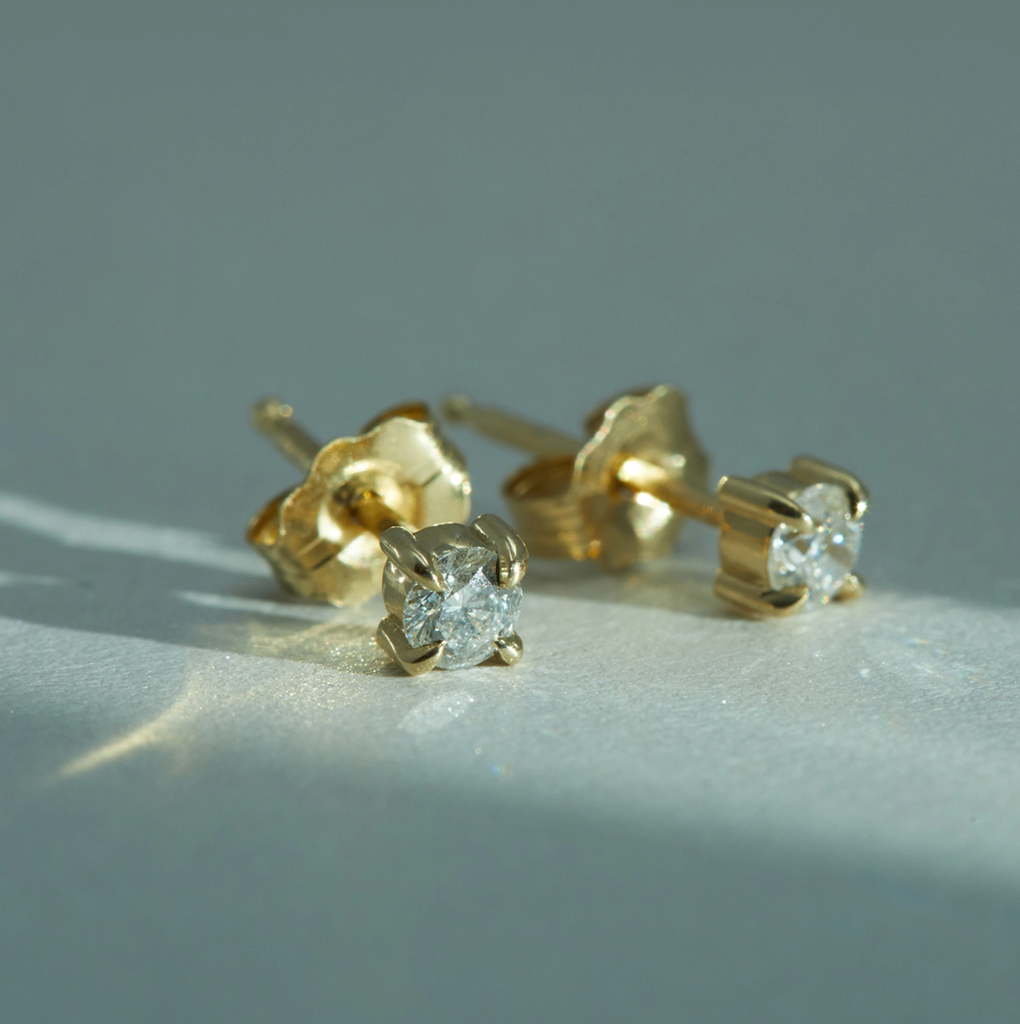
Catbird
Angel Hair Diamond Stud Earrings, Sparkler
The diamond stud distilled to its purest form. Catbird's Angel Hair setting holds a single brilliant-cut diamond in a delicate four-prong cradle of 14k gold — small enough to be worn every day, refined enough to wear on stage. The kind of earring that disappears into your look while elevating it completely.
- 14k gold Angel Hair setting
- Brilliant-cut diamond
- Wears every day, elevated always
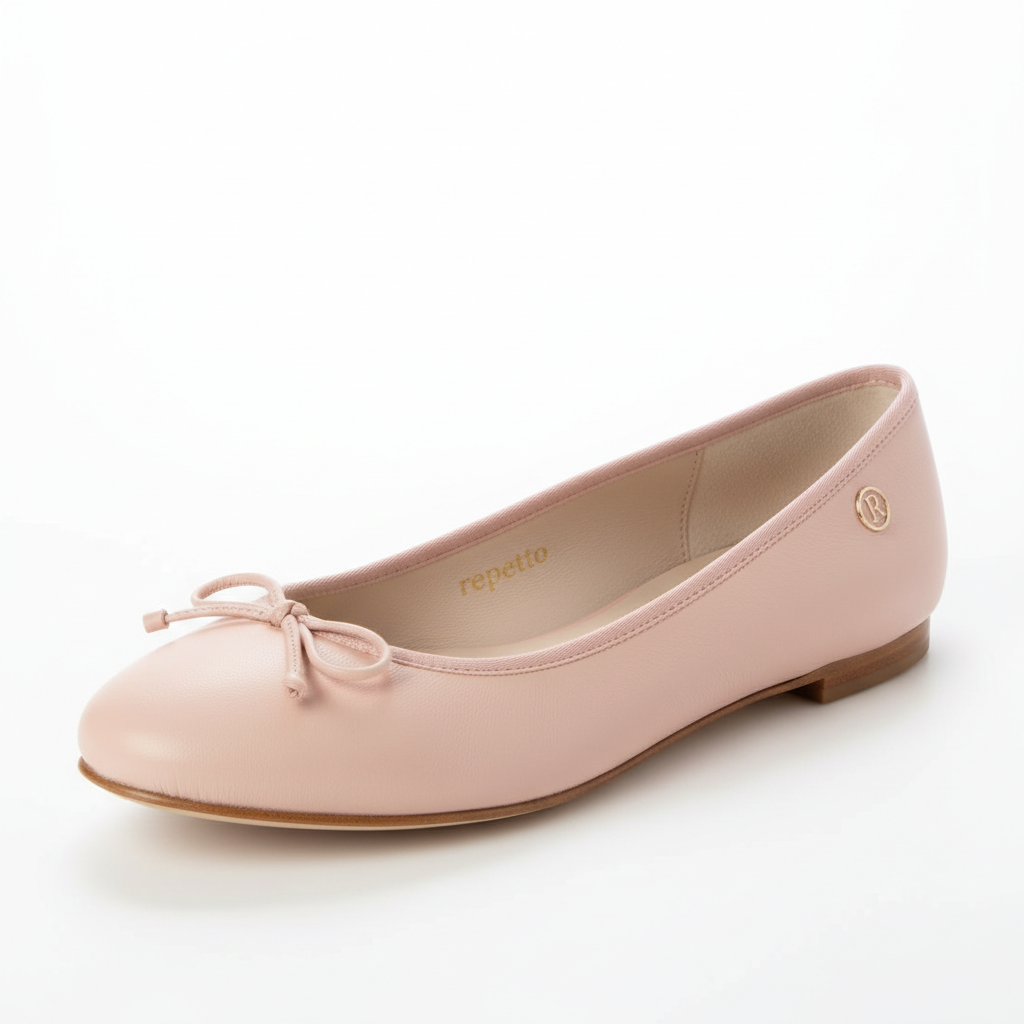
Repetto
Cendrillon Ballet Flat
The Cendrillon is the flat that started everything. Repetto has been making ballet-inspired shoes since 1947 — first for the stage, then for the street — and the Cendrillon remains the definitive version. Hand-stitched in France from soft kid leather, it molds to the foot over time and ages with extraordinary grace.
- Hand-stitched in France since 1947
- Soft kid leather molds to the foot
- The original ballet flat
Ad Space
About
The Ballet Edit
The Ballet Edit is a publication dedicated to ballet culture, adult beginner dance education, movement, alignment, and the enduring style of the ballet world.
Written and edited by practitioners with professional dance experience on stage, film, and television, The Ballet Edit exists to inform, inspire, and welcome adults into the art form at every stage of their journey.