There is something quietly transformative about living with ballet art.
A dancer caught mid-movement. The curve of an arabesque frozen in time. The soft focus of a rehearsal room photograph. These images do more than decorate a wall - they bring the discipline, beauty, and atmosphere of the studio into your everyday life.
Ballet art has a long history. Dancers have been painted, sculpted, photographed, and printed for centuries. Some of it is iconic. Some of it is obscure. All of it carries something of the form's particular magic.
Here is where to look, what to collect, and how to bring ballet art into your home.
The Classics: Degas and the Impressionists
No conversation about ballet art begins anywhere but Edgar Degas.
Degas painted dancers obsessively - in rehearsal, on stage, backstage, resting. He captured them in moments that felt unposed: adjusting a strap, stretching at the barre, waiting in the wings. His pastels and oils are soft, luminous, and deeply human.
What to look for:
- The Dance Class series - dancers at the barre with an instructor
- Dancers Practicing at the Barre - the famous pastel of dancers in pink
- The Star - a soloist on stage, spotlighted
- Dancers in the Wings - intimate backstage moments
Where to find it: Museum prints from the Metropolitan Museum of Art, the Musée d'Orsay, or the National Gallery of Art. Quality varies - look for archival reproductions on heavy paper, not glossy posters.
How to frame it: Degas deserves simplicity. Thin black or gold frames. White or cream mats. Let the pastel softness speak for itself.
Vintage Ballet Posters
The golden age of ballet produced some of the most beautiful promotional art ever created.
From the 1930s through the 1960s, ballet companies commissioned artists to design posters for their seasons. These were meant to be seen on street corners, but they belong in homes. They are bold, graphic, and full of movement.
What to look for:
- Paris Opera Ballet posters from the 1940s and 50s
- Royal Ballet Covent Garden season posters
- New York City Ballet early Balanchine era prints
- Soviet ballet posters - striking constructivist designs
Where to find it: Etsy, specialized vintage poster dealers, auction houses. Look for original lithographs when possible, but high-quality reproductions work beautifully.
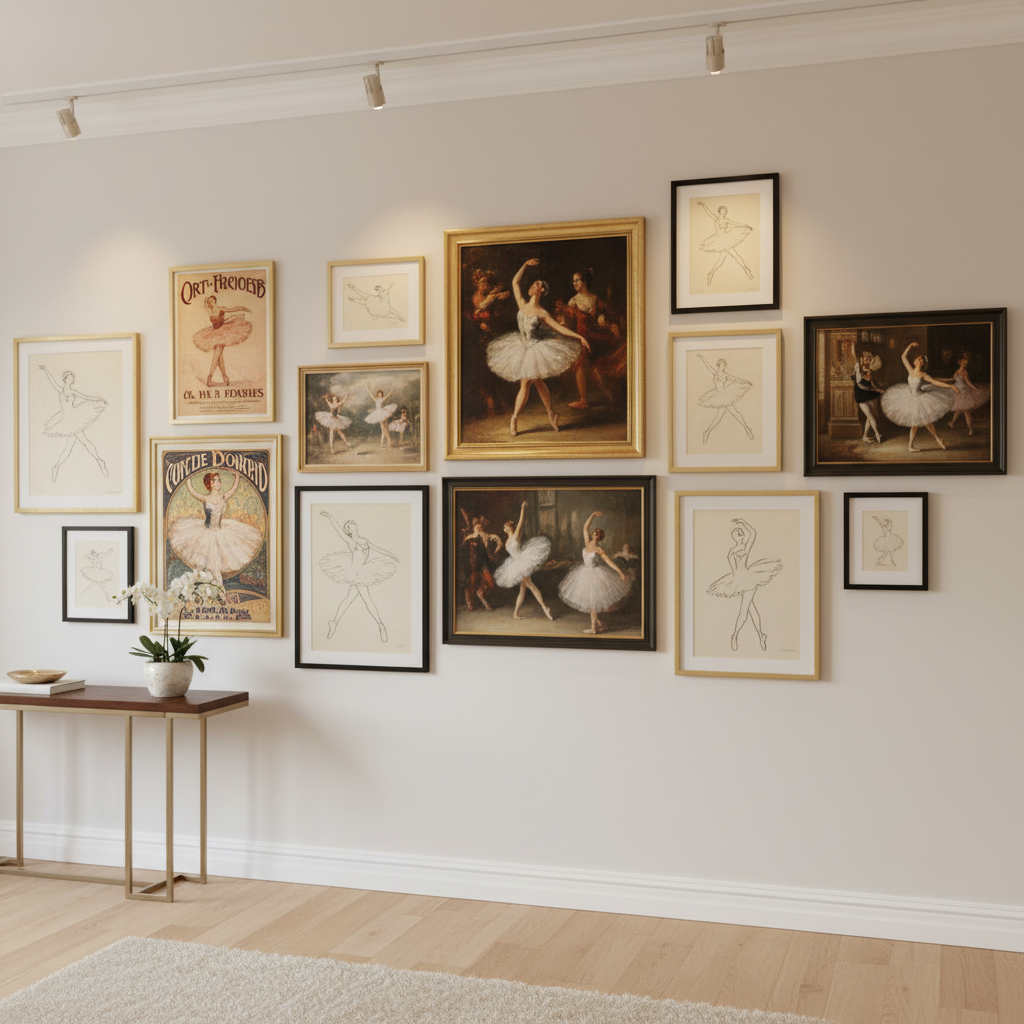
How to frame it: These posters were designed to be seen from a distance. Give them space. Large frames, minimal mats. Group several from the same era for a gallery wall.
Contemporary Ballet Photography
Modern ballet photography captures the form with a clarity the Impressionists never could.
Photographers like Lois Greenfield, Johan Persson, and Gene Schiavone have built careers documenting dance. Their work ranges from action shots frozen in mid-air to intimate rehearsal portraits.
What to look for:
- Action shots - dancers in jumps, lifts, turns
- Rehearsal photography - candid, atmospheric, behind-the-scenes
- Portrait series - close-ups of dancers in costume or practice clothes
- Architectural dance photography - dancers in unexpected locations
Where to find it: Photographers' own websites, dance photography galleries, limited edition prints. Many contemporary dance photographers sell signed prints directly.
How to frame it: Photography benefits from clean, modern frames. Black or natural wood. Consider floating frames for a contemporary look.
Minimalist Line Drawings
Not all ballet art needs to be elaborate.
Simple line drawings - a single continuous line forming a dancer's silhouette - have become a staple of minimalist interior design. They are understated, elegant, and work in almost any space.
What to look for:
- Single-line dancer silhouettes
- Abstract ballet sketches
- Geometric interpretations of classical positions
- Typography-based prints featuring ballet terms
Where to find it: Etsy, independent artists on Instagram, design marketplaces. These are often affordable and available as instant downloads for home printing.
How to frame it: Keep it minimal. Thin black frames. White mats. Group several small prints together for impact.
Oil Paintings and Original Art
For collectors, original ballet paintings offer something prints cannot.
Contemporary realist painters continue to work in the tradition of Degas, creating oil paintings of dancers with luminous, classical technique. These are investment pieces - but they are also deeply personal.
What to look for:
- Contemporary realist ballet painters
- Impressionist-style dance paintings
- Watercolor ballet scenes
- Mixed media incorporating costume elements
Where to find it: Art fairs, gallery exhibitions, online art marketplaces like Saatchi Art or Artsy. Meet the artist when possible - many ballet painters are dancers themselves.
How to frame it: Original paintings often come framed. If not, consult a professional framer. Oil paintings need different treatment than prints or photographs.
How to Display Ballet Art
In the home:
- Entryways - a single striking piece sets the tone
- Living room - gallery wall above a sofa or fireplace
- Bedroom - soft, calming imagery for rest
- Home office - movement and inspiration
- Dance studio or home gym - motivational and relevant
What to avoid:
- Overly literal or kitschy imagery
- Mass-produced posters with poor printing quality
- Frames that compete with the art
- Hanging too high - ballet art should be at eye level
The golden rule: Choose art that moves you - literally and emotionally. Ballet is about motion, emotion, and transcendence. Your art should carry some of that.
The Real Point
Ballet art is not just decoration.
It is a way of carrying the studio with you. A reminder of the discipline, the beauty, the hours of work, the moments of grace. It is a way of honoring the form even when you are not dancing.
Hang it where you will see it. Let it remind you of what your body can do. Let it remind you of why you started.
And when you pass it in the hallway, when the light catches it just so, when the dancer seems almost to move - you will remember.
This is why we dance. This is why we live with it. This is why it belongs on our walls.
The Edit's Selection
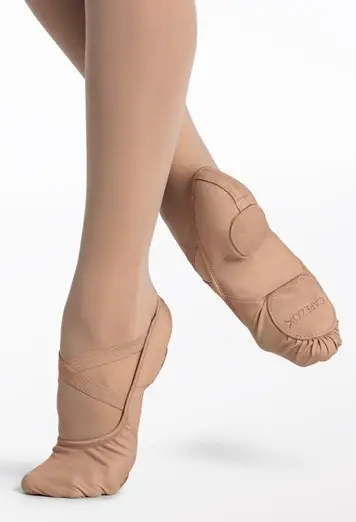
Capezio
Hanami Canvas Split-Sole
A perennial favourite among adult beginners and intermediate dancers for its lightness and beautiful arch profile.
- Lightweight
- Flattering line
- Breathable
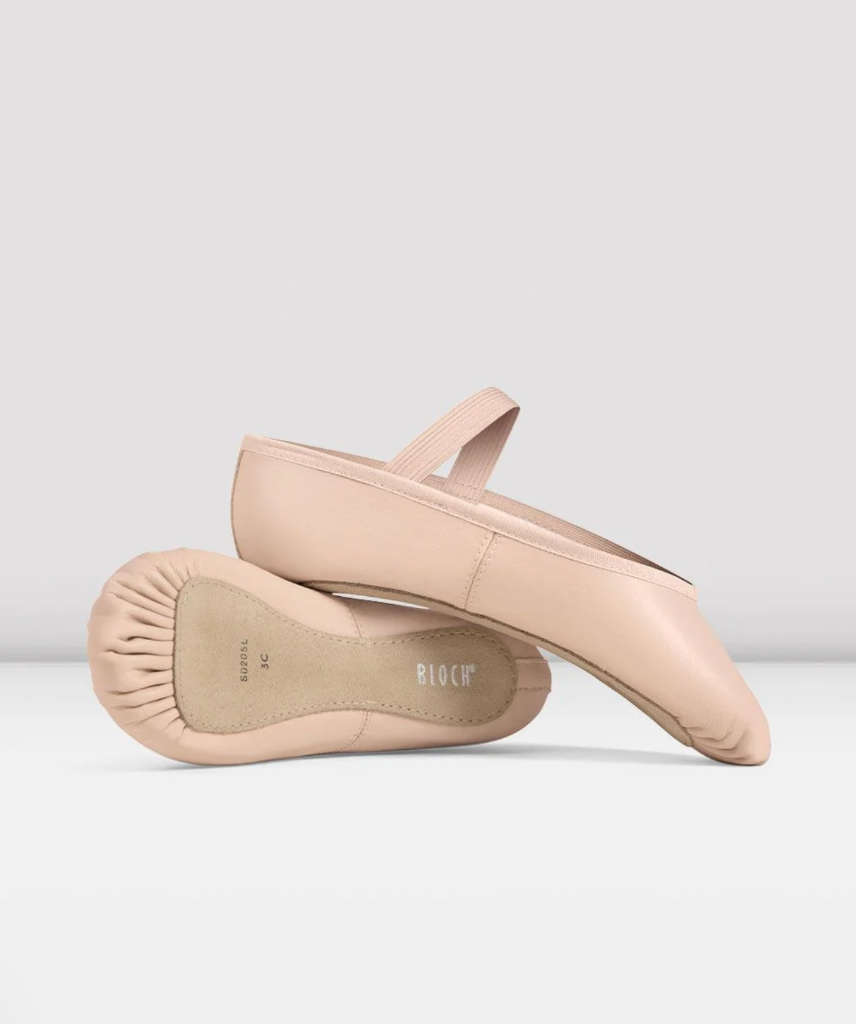
Bloch
Dansoft Full-Sole Ballet Slipper
The go-to recommendation for first-time ballet shoe buyers: forgiving, classic, and built to last a solid first year of classes.
- Supportive full sole
- Molds to the foot
- Classic leather
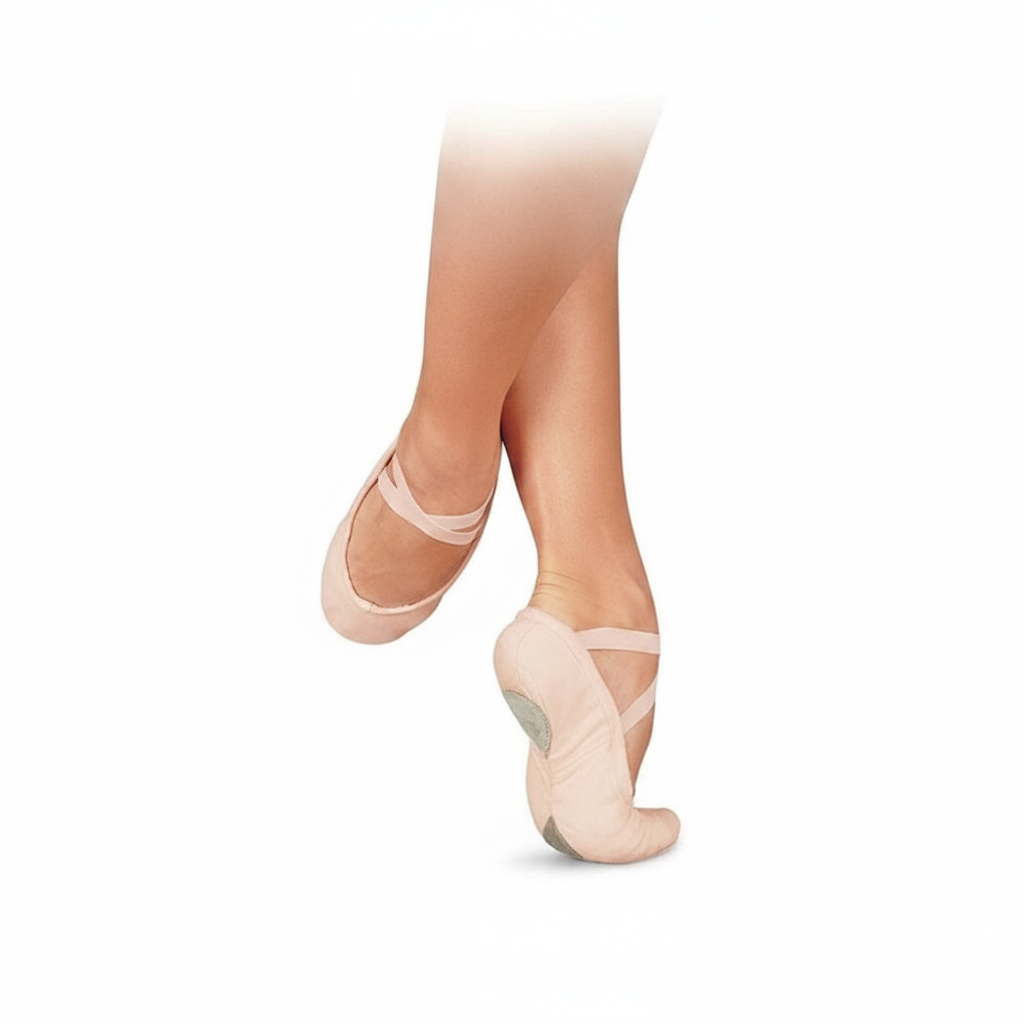
Sansha
Pro 1 Canvas Split-Sole
Quality at an honest price. Sansha's Pro 1 is a reliable first slipper that won't punish you for not yet knowing your preferences.
- Excellent value
- Durable
- Wide size range
Ad Space
About
The Ballet Edit
The Ballet Edit is a publication dedicated to ballet culture, adult beginner dance education, movement, alignment, and the enduring style of the ballet world.
Written and edited by practitioners with professional dance experience on stage, film, and television, The Ballet Edit exists to inform, inspire, and welcome adults into the art form at every stage of their journey.